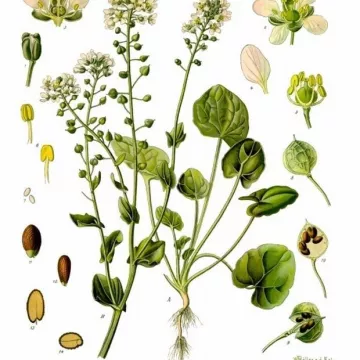
Why are leaves so valuable in herbal medicine?
The leaves of medicinal plants are an essential source of active ingredients in herbal medicine. As the central organ of photosynthesis, they play a vital role in the plant’s metabolism and contain a wide variety of biochemical compounds with well-established therapeutic properties. In constant interaction with the environment, the leaf is exposed to light, wind, temperature fluctuations, and external threats. This exposure stimulates the synthesis of secondary metabolites such as flavonoids, tannins, essential oils, and saponins, which contribute to the plant’s defense mechanisms and adaptation.
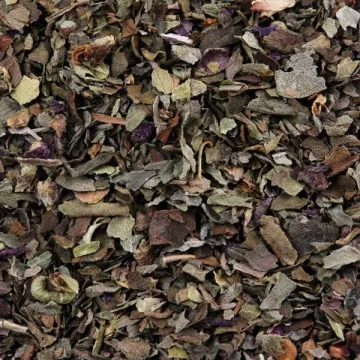
Used as infusions, decoctions, or poultices, medicinal leaves can help address numerous functional disorders: digestion, circulation, the nervous system, the respiratory tract, kidney function, hormonal balance, and joint comfort. They provide a simple, accessible, economical, and well-tolerated therapeutic foundation.
What types of active compounds are found in medicinal leaves?
Medicinal leaves contain a wide range of natural active compounds. They represent a true wealth of plant-based biochemical compounds. These include, in particular:
- Flavonoids: powerful antioxidants, venotonic agents, and anti-inflammatories
- Essential oils: with antiseptic, expectorant, digestive, or soothing effects
- Tannins: astringents, anti-diarrheals, and protectors of the intestinal mucosa
- Alkaloids: substances that act on the nervous or vascular systems
- Mucilages: emollient and soothing, beneficial for irritated mucous membranes
- Saponins: expectorant, immunostimulant, and circulatory
- Vitamins and minerals: which contribute to overall balance and remineralization
The diversity of active compounds makes the leaves suitable for a wide range of therapeutic uses, often in synergy with other parts of the plant (root, flower, bark).
What are the common uses of medicinal leaves?
Each leaf has its own therapeutic signature. Here are a few representative examples:
Digestive leaves
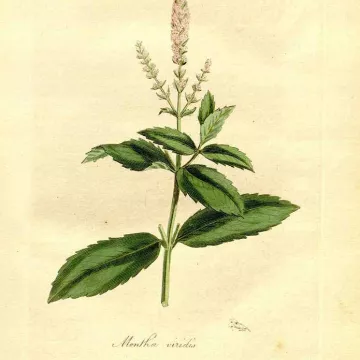
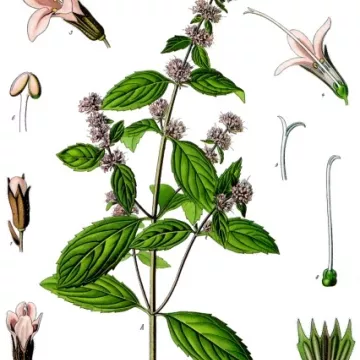
- Peppermint (Mentha piperita): relieves spasms, combats bloating, and aids digestion
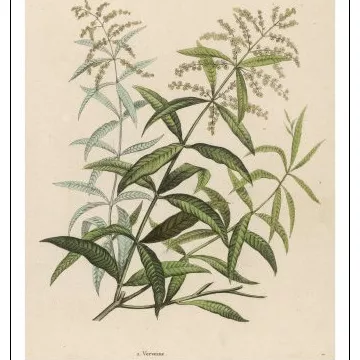
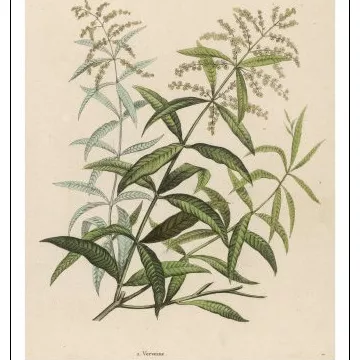
- Lemon verbena (Lippia citriodora): soothing and aids digestion; very pleasant as an herbal tea
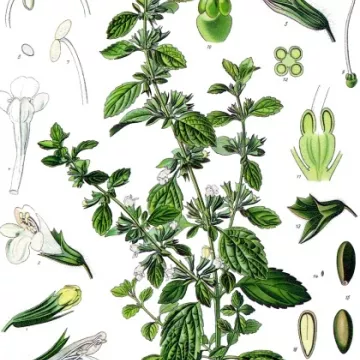
- Lemon balm (Melissa officinalis): antispasmodic, helpful for stress-related digestive issues
Respiratory Leaves
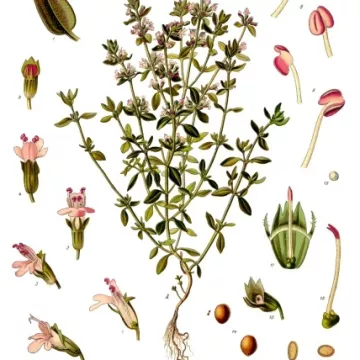
- Thyme (Thymus vulgaris): a powerful natural antiseptic, used to treat respiratory infections
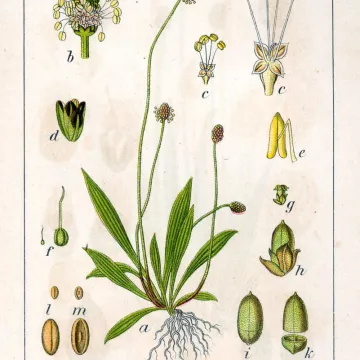
- Plantain (Plantago lanceolata): soothes the mucous membranes, effective for dry or allergic coughs
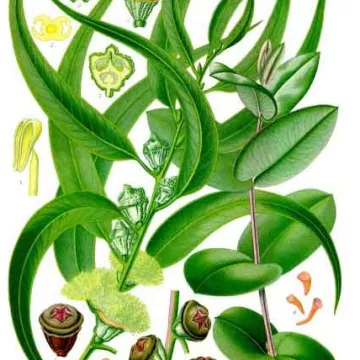
- Eucalyptus (Eucalyptus globulus): expectorant, helps open the airways
Circulatory and Venous Leaves
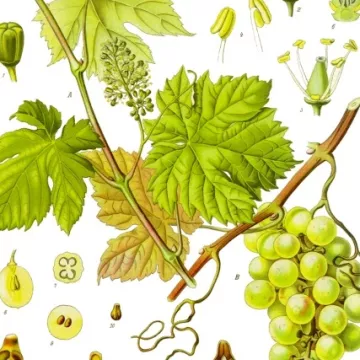
- Red grapevine (Vitis vinifera): a venous tonic, beneficial for heavy legs
- Ginkgo biloba: promotes microcirculation, particularly in the brain
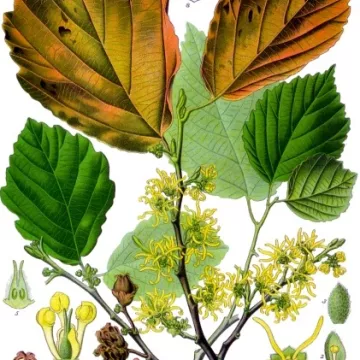
- Witch hazel (Hamamelis virginiana): protects blood vessels, decongestant
Soothing and balancing leaves
- Linden (Tilia cordata): mild sedative, promotes natural sleep
- Passionflower (Passiflora incarnata): plant-based anxiolytic, used for stress or restlessness
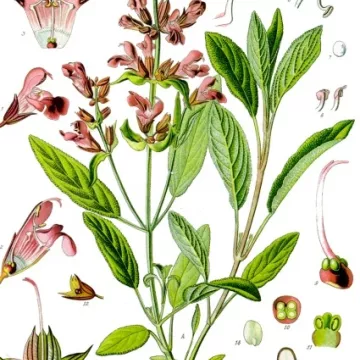
- Sage (Salvia officinalis): hormone regulator, particularly during menopause
Draining and purifying leaves
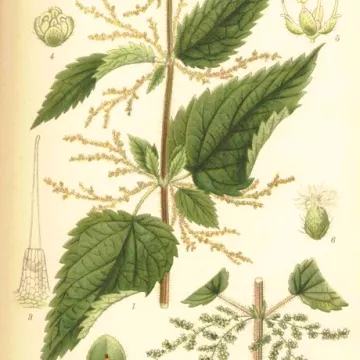
- Stinging nettle (Urtica dioica): remineralizing, detoxifying, and anti-inflammatory
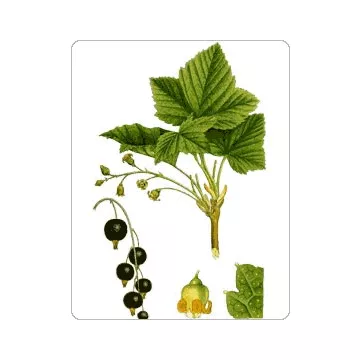
- Blackcurrant leaves (Ribes nigrum): lymphatic drainer, helpful for joint pain
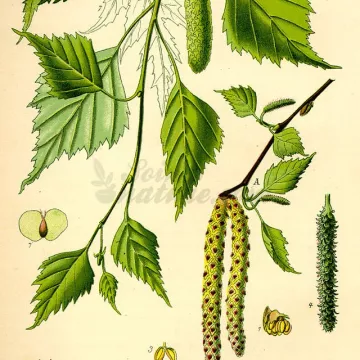
- Birch (Betula alba): stimulates kidney and liver elimination
How to properly prepare medicinal leaves?
The most common way to use the leaves is as an infusion:
- Add one to two teaspoons of dried leaves to 250 mL of simmering water
- Steep, covered, for 5 to 10 minutes
- Strain, then drink hot or warm
The leaves can also be prepared in other forms:
- As an aqueous macerate (cold infusion), to preserve certain heat-sensitive compounds
- As a micronized powder, to be encapsulated or sprinkled on food
- As poultices made from fresh or steeped leaves, applied directly to the skin
- As a mouthwash or gargle, for leaves with antiseptic or soothing properties
- As a herbal bath, for skin conditions or muscle pain
Following the proper preparation method ensures effective extraction of the active ingredients and optimal efficacy.
What quality of plant should be chosen for use in herbal medicine?
At Soin-et-Nature, we have selected medicinal leaves of herbalist-grade quality, based on rigorous criteria:
- Botanically identified plants, with precise indication of the Latin name and the part used
- Certified organic or sustainably wild-harvested
- Slow drying at low temperatures to preserve the quality of the active ingredients
- Airtight packaging or kraft paper bags, ensuring freshness and optimal preservation
- Full traceability, from producer to user
You’ll find a wide range of medicinal leaves, whole or cut, available in bulk for your homemade preparations.
Can you combine several herbs in a single infusion?
Yes, medicinal leaves lend themselves well to synergistic blends. It’s common to combine two or three complementary plants depending on your needs. Here are a few examples:
- Verbena + lemon balm + passionflower: a soothing herbal tea to promote sleep
- Stinging nettle + black currant + birch: joint drainage and detoxification
- Thyme + plantain + eucalyptus: respiratory support
- Lemon balm + mint + chamomile: digestive comfort and relaxation
It is recommended not to exceed three to four herbs per blend to maintain balance and clarity of action. If in doubt, a healthcare professional can help you create a suitable formula.
What herbal products can you find on the Soin-et-Nature website?
At Soin-et-Nature, herbal medicine is viewed as a true ally of well-being. Inspired by medicinal traditions and enriched by modern expertise, our range features herbs and preparations selected for their quality, effectiveness, and full traceability. You’ll find a variety of solutions to naturally support your health every day.
- Herbal teas in tea bags offer a convenient, quick-to-brew format—ideal for effortlessly incorporating herbs into your wellness routine.
- Loose-leaf herbal teas allow for a more personalized approach: you can create your own blends based on your needs or preferences.
- Ayurvedic herbal teas are based on the principles of Ayurveda and aim to restore harmony among the body’s various energies.
- Medicinal roots and rhizomes, often used in decoctions, are particularly rich in active compounds and deeply target chronic conditions.
- Medicinal leaves, which are easy to prepare as an infusion, cover a wide range of uses: digestion, detoxification, joint comfort, respiratory health, and more.
- Flowering tops contain volatile and aromatic compounds and are highly prized for their calming, tonic, or digestive effects, depending on the plant chosen.
- CBD infusions and herbal teas combine the soothing properties of cannabidiol with those of traditional plants to promote mental and physical relaxation.
- Clay therapy, an ancient practice that remains relevant today, offers natural treatments for both internal and external use to soothe, purify, or remineralize the body.
- Candies and chewing gum made with medicinal plants offer a pleasant and fun way to consume them, especially for those seeking practical alternatives to herbal tea.
- Cold-pressed medicinal plant juices are highly bioavailable and particularly suitable for intensive treatments or targeted actions.
- Custom-made preparations allow you to benefit from a blend tailored to your specific needs, created according to the advice of our specialized team.
Whether used as an infusion, decoction, juice, poultice, or capsule, the medicinal plants offered on Soin-et-Nature are part of a natural, holistic approach that respects the body. A gentle and effective way to reconnect with the simple practices of herbal health.