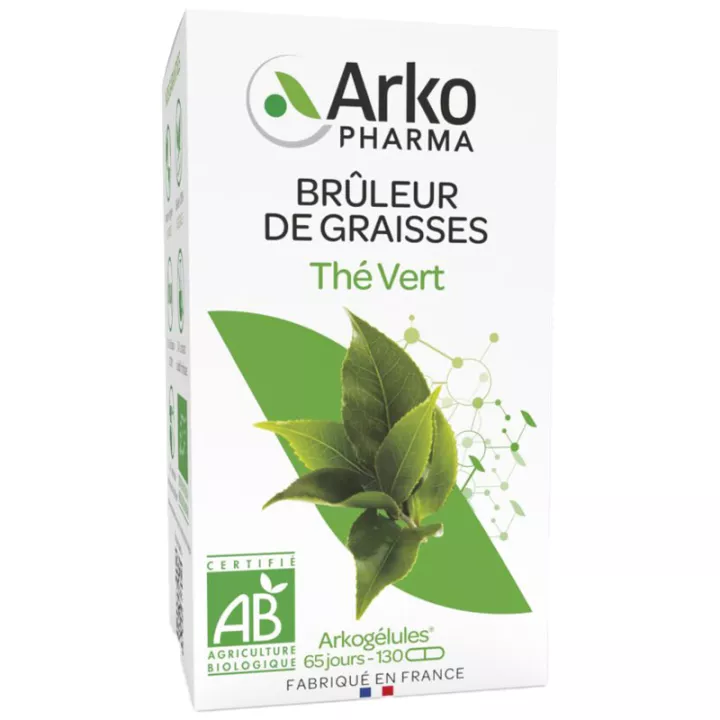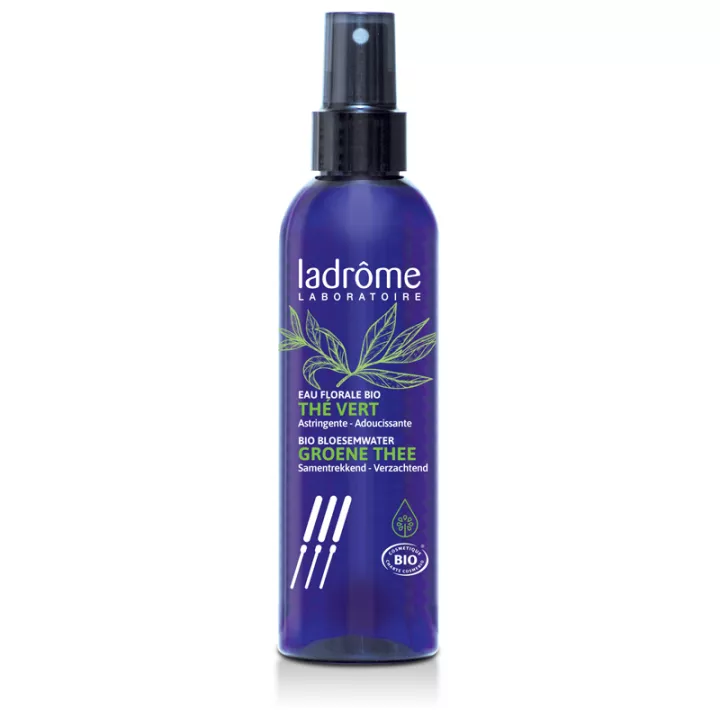

Green tea leaves, used to make tea, are popular ingredients in the field of herbal medicine. They are rich in antioxidants, particularly catechins, which have anti-inflammatory and anticancer properties.
Green tea leaves are popular ingredients in the world of herbal medicine. They are rich in antioxidants, particularly catechins, which have anti-inflammatory and anti-cancer properties. Green tea leaves also contain caffeine and theanine, two substances that can improve mental alertness and promote relaxation.
At our online herbal shop, we offer a wide range of high-quality green tea leaves sourced from organic plantations. We work with producers committed to sustainable agricultural practices to ensure our customers benefit from the purest and most beneficial properties of green tea leaves.
Green tea leaves are known for their ability to boost metabolism and support weight loss. The catechins found in green tea can help burn fat and regulate blood sugar levels. Drinking green tea regularly can therefore be beneficial for people looking to lose weight or maintain a healthy weight.
Green tea may also help improve heart health. The catechins in green tea can help lower cholesterol levels and blood pressure, thereby reducing the risk of cardiovascular disease. In addition, green tea can improve blood circulation and strengthen blood vessels.
Finally, green tea leaves can help strengthen the immune system and reduce the risk of infections. Catechins have antiviral and antibacterial properties that can help fight infections and diseases.
Green tea has stimulating properties due to its caffeine content. It is anti-inflammatory, antitumor, antioxidant, and anti-aging. It is an antimicrobial agent (Staphylococcus epidermidis, Micrococcus luteus, Brevibacterium linens, Pseudomonas fluorescens, Bacillus subtilis), and is antibacterial against methicillin-resistant "Staphylococcus aureus" that produces beta-lactamase. Apigenin derivatives (isoschaftoside and vicenin-3) are lipoxygenase inhibitors. Polyphenols are antioxidants and free-radical scavengers. Catechins protect DNA and amino acids from nitrosative stress (primarily in green tea) and reduce total cholesterol and LDL cholesterol. Flavonoids (quercetin) inhibit LDL oxidation, which contributes to atherogenesis.
We also offer Vitaflor Floralis Green Tea Herbal Tea (18 tea bags) at the best price in our online pharmacy.
Primarily a beverage for enjoyment, a 200-ml cup of tea provides an average of 135 mg of flavonoids. It is recommended for diabetes, obesity, and Alzheimer’s disease. Green tea is rich in catechins, while black tea is primarily rich in theaflavins and thearubigins (polymerized catechins), but both are rich in theanine.
Brewing: Pour 250 ml of boiling water over 2.5 g of green tea leaves. Cover and let steep for 2 to 10 minutes, then strain. Drink 3 cups a day.
Contraindications with green tea
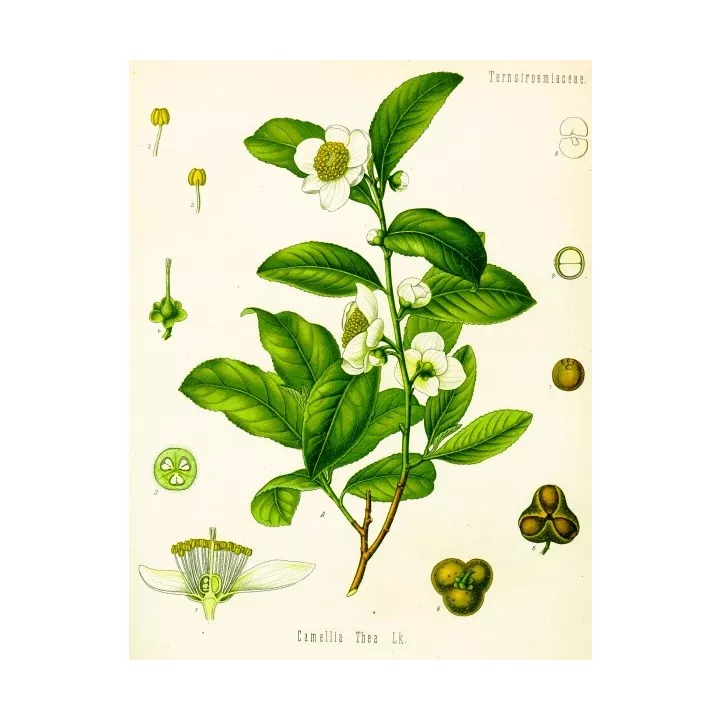
Latin name: Camellia sinensis (L.)
Family: Theaceae
Common names: Tea plant, tea
Parts used: Leaves
Origin: Japan
Botanical description
Pharmacology of green tea
Active ingredients: Caffeine, tannins, catechins, flavonoids, L-theanine