What is diabetes, and what are the different types?
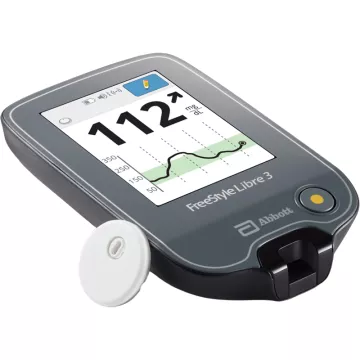
Diabetes is a chronic condition characterized by persistently high blood sugar levels resulting from insufficient insulin production, resistance to insulin, or both. It is a serious condition that requires specialized medical care throughout a person’s life. For daily blood glucose monitoring, blood glucose meters and blood glucose monitoring supplies are available in the store.
- Type 1 diabetes: autoimmune destruction of pancreatic beta cells — complete lack of insulin secretion — permanent insulin dependence — occurs primarily in children and young adults — no primary prevention available — treatment with an insulin pump or multiple daily injections under the supervision of a diabetes specialist
- Type 2 diabetes: insulin resistance in target tissues (liver, muscles, adipose tissue) followed by progressive pancreatic exhaustion — accounts for 90% of cases — modifiable risk factors: abdominal obesity, sedentary lifestyle, high-calorie diet, metabolic syndrome — treatments: metformin (first-line), SGLT2 inhibitors, GLP-1 agonists, insulin depending on disease progression — partial reversibility possible with significant weight loss
- Gestational diabetes: glucose intolerance diagnosed during pregnancy (routine screening between 24 and 28 weeks) — increased risk of obstetric complications — mandatory obstetric and endocrinological follow-up — usually resolves after delivery but increases the risk of type 2 diabetes
- Diagnosis (made by a physician): two fasting blood glucose levels ≥ 1.26 g/L (7.0 mmol/L) — or a blood glucose level ≥ 2 g/L (11.1 mmol/L) at any time accompanied by symptoms — or HbA1c ≥ 6.5% — monitoring with HbA1c every 3 to 6 months
What are the complications of diabetes, and how is it managed?
- Hypoglycemia (emergency): blood glucose < 0.70 g/L — tremors, sweating, palpitations, confusion, loss of consciousness — immediate treatment: 15 g of fast-acting carbohydrates (3 sugar cubes, a glass of fruit juice) — repeat carbohydrate intake if symptoms persist — injectable glucagon in case of severe distress — in case of loss of consciousness: call 15
- Chronic complications of persistent hyperglycemia: diabetic retinopathy (annual fundus examination) — nephropathy (annual microalbuminuria and creatinine tests) — peripheral neuropathy (annual podiatric examination) — cardiovascular risk increased by 2 to 4 times (hypertension, dyslipidemia, smoking—factors to be treated concurrently)—diabetic foot (any wound → seek medical attention immediately)
- Essential medical follow-up: HbA1c — kidney and lipid panel — ECG — fundus examination — foot examination — self-monitoring of blood pressure — dietary monitoring and therapeutic education
Diet, lifestyle, and supplements to support diabetes management?
These measures are complementary to prescribed medical treatment—they never replace it. Any addition of a dietary supplement in a treated diabetic must be approved by a doctor (risk of interactions and additive hypoglycemia).
- Diet: prioritize foods with a low glycemic index (see blood glucose and glycemic index) — soluble fiber that slows carbohydrate absorption (oats, legumes) — lean proteins and healthy fats (olive oil, nuts)—spread out meals—limit refined sugars and sugary drinks
- Physical activity: 150 minutes per week of moderate-intensity activity (walking, swimming, cycling) — 10–15-minute postprandial walk — resistance training twice a week — adjust activity based on treatment (monitor blood glucose before and after if on insulin therapy)
- Cinnamon, chromium, magnesium, fenugreek: documented supportive supplements — modest improvement in insulin sensitivity — see “Hyperglycemia and Blood Sugar Control” for details and precautions — never modify or discontinue diabetes treatment without medical advice