What is blood glucose, and how is it regulated?
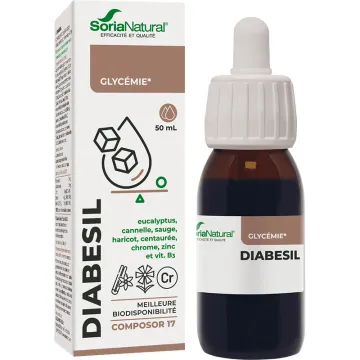
Blood glucose refers to the level of glucose circulating in the blood, which is the cells’ primary source of energy. Its precise regulation is ensured by a finely coordinated hormonal system: insulin (pancreas—hypoglycemic) and glucagon (pancreas—hyperglycemic) maintain blood glucose levels within a narrow physiological range. Supplements to support blood sugar balance are available in the “Blood Sugar ” and “Sugar Control” supplement lines in the store.
- Normal values (to be interpreted by a doctor): normal fasting blood glucose 0.70 to 1.10 g/L (3.9–6.1 mmol/L) — prediabetes (abnormal fasting blood glucose): 1.10 to 1.25 g/L — diabetes: ≥ 1.26 g/L (7.0 mmol/L) on two fasting blood samples — 2-hour postprandial blood glucose: normal < 1.40 g/L (7.8 mmol/L)
- HbA1c (glycated hemoglobin): reflects average blood glucose levels over the past 2 to 3 months — normal < 6% (< 42 mmol/mol) — prediabetes: 5.7 to 6.4% — diabetes: ≥ 6.5% — quarterly follow-up for treated diabetics
- Role of insulin: key hormone in cellular glucose uptake — secreted by beta cells in the islets of Langerhans — in response to postprandial blood glucose spikes — insulin resistance (visceral adipose tissue, physical inactivity) is the central mechanism underlying type 2 diabetes and metabolic syndrome
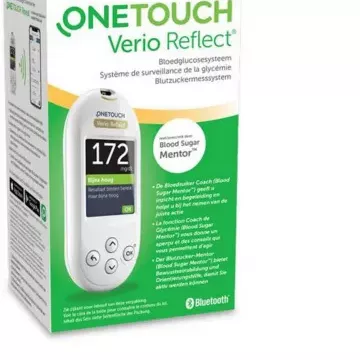
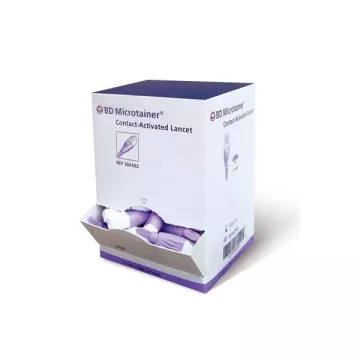
- Blood glucose self-monitoring: capillary blood glucose meters — continuous glucose monitoring (CGM) systems — available in the blood glucose meter lineup
What factors influence blood glucose levels, and how can they be stabilized?
- Glycemic Index (GI) of foods: measures how quickly a food raises blood glucose levels—high GI (>70): white bread, white rice, sugary drinks—low GI (<55): legumes, green vegetables, whole grains, whole fruits — glycemic load (GL = GI × amount of carbohydrates): a more precise indicator — prioritize low-GI foods to limit postprandial spikes
- Physical activity: Muscle contraction uses glucose via an insulin-independent pathway — 150 min/week improves insulin sensitivity over the long term — a 10–15-min walk after meals significantly reduces postprandial blood glucose levels
- Stress: Cortisol and adrenaline released during stress stimulate hepatic gluconeogenesis and raise blood glucose levels—chronic stress worsens insulin resistance—stress management techniques (meditation, cardiac coherence)
- Sleep: Sleep lasting less than 6 hours impairs insulin secretion and raises ghrelin (the appetite hormone)—increasing insulin resistance and sugar cravings
What supplements and herbs can support blood sugar balance?
These supplements support a healthy lifestyle—they do not treat diabetes or diagnosedhyperglycemia. Consult your doctor before taking any supplements if you are on antidiabetic medication (risk of hypoglycemia).
- Cinnamon (Cinnamomum verum): cinnamaldehyde—improves insulin sensitivity in several randomized trials—1 to 3 g/day—do not confuse with Chinese cinnamon (Cassia), which has a high coumarin content
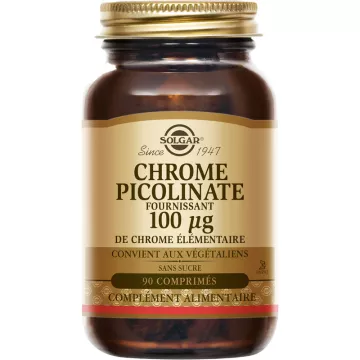
- Chromium (chromium picolinate): a trace element that enhances insulin action — 200 to 400 µg/day — common dietary deficiency — use with caution in diabetics undergoing treatment
- Magnesium: Deficiency is associated with insulin resistance and elevated blood glucose levels — 300 to 400 mg/day as bisglycinate — a cofactor for > 300 metabolic enzymes
- Fenugreek: galactomannans and 4-hydroxyisoleucine — slow the intestinal absorption of carbohydrates and stimulate insulin secretion — available in capsules or powder form — contraindicated during pregnancy