What is hyperglycemia, and when should it be a cause for concern?
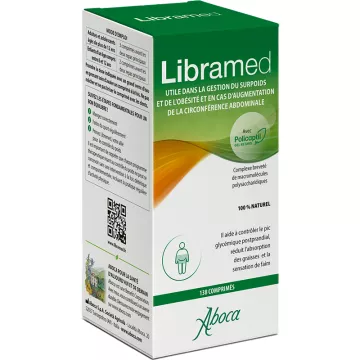
Hyperglycemia refers to an abnormal rise in blood glucose levels above normal ranges. It can be temporary (due to stress or a meal high in rapidly absorbed carbohydrates) or chronic (due to uncontrolled diabetes). Blood glucose levels are regulated by insulin (produced by the pancreas)—any dysfunction in this system leads to persistent hyperglycemia. Supportive supplements are available in the blood glucose supplement section of the store.
- Reference thresholds (WHO): normal fasting blood glucose < 1.10 g/L (6.1 mmol/L) — prediabetes: 1.10 to 1.25 g/L (6.1–6.9 mmol/L) — diabetes: ≥ 1.26 g/L (7.0 mmol/L) when fasting based on two blood samples — or ≥ 2 g/L (11.1 mmol/L) at any time in the presence of symptoms — these values require interpretation by a doctor
- Warning signs: intense thirst (polydipsia) — frequent urination (polyuria) — fatigue and difficulty concentrating — blurred vision — slow wound healing — recurrent skin or urinary tract infections — unexplained weight loss — any recurring symptom warrants a medical consultation
- Complications of untreated chronic hyperglycemia: cardiovascular diseases (atherosclerosis, hypertension, stroke, heart attack) — diabetic neuropathy (pain, tingling in the limbs) — nephropathy (kidney failure) — retinopathy (progressive vision loss) — diabetic foot (chronic wounds) — these complications warrant strict medical management
What are the causes and risk factors for hyperglycemia?
- Type 1 diabetes: autoimmune destruction of pancreatic beta cells—zero insulin production—insulin dependence required—medical diagnosis and treatment are essential
- Type 2 diabetes: tissue insulin resistance followed by progressive pancreatic exhaustion — associated with abdominal obesity, a sedentary lifestyle, and a high-calorie diet — treatment with oral antidiabetic medications and/or insulin depending on the course of the disease — regular medical follow-up (HbA1c every 3 to 6 months)
- Situational hyperglycemia: acute stress (cortisol and adrenaline raise blood glucose levels) — infection and inflammation — systemic corticosteroid therapy — pregnancy (gestational diabetes — mandatory screening between 24 and 28 weeks) — a diet high in refined sugars and high-glycemic-index carbohydrates
- Prediabetes: moderate fasting hyperglycemia or glucose intolerance — reversible if lifestyle changes are made early — does not always cause symptoms — screening recommended after age 45 and in the presence of associated risk factors
How can blood sugar be regulated naturally, and what supplements are available to support this?
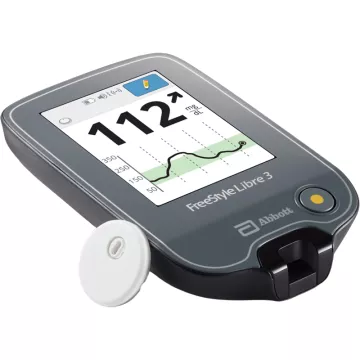
These measures are intended to support a healthy lifestyle and do not replace medical treatment for diabetes. Self-monitoring of blood glucose is available using blood glucose meters.
- Low-glycemic-index diet: non-starchy vegetables, legumes, whole grains, whole fruits (fiber slows carbohydrate absorption)—avoid refined sugars, sugary drinks, white bread, and ultra-processed foods—spread out meals to smooth out postprandial spikes
- Physical activity: 150 min/week of moderate-intensity activity improves insulin sensitivity — walking after meals (10–15 min) effectively reduces blood glucose spikes
- Cinnamon (Cinnamomum verum): cinnamaldehyde — improves insulin sensitivity in several clinical trials — 1 to 2 g/day as a supplement — do not use as a substitute for antidiabetic treatment
- Fenugreek: soluble fiber (galactomannans) and 4-hydroxyisoleucine — slow carbohydrate absorption and stimulate insulin secretion — available in capsules or powder form — Contraindicated during pregnancy
- Chromium (picolinate): enhances the action of insulin — 200 to 400 µg/day — use with caution in diabetics receiving treatment (risk of hypoglycemia) — medical advice required
- Magnesium: Commonly deficient in type 2 diabetes—improves insulin signaling—300 to 400 mg/day as bisglycinate
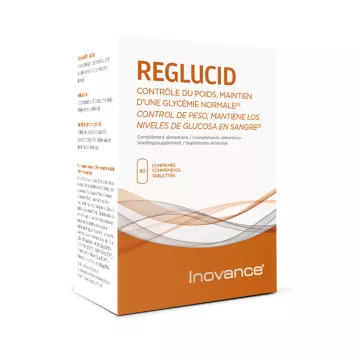
- See the blood sugar control product line for combination formulas—consult a doctor for any diagnosis and before starting supplementation if you are currently undergoing antidiabetic treatment