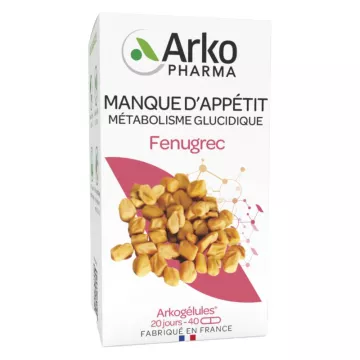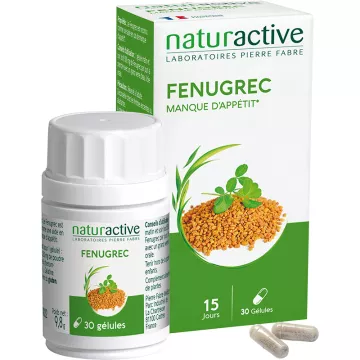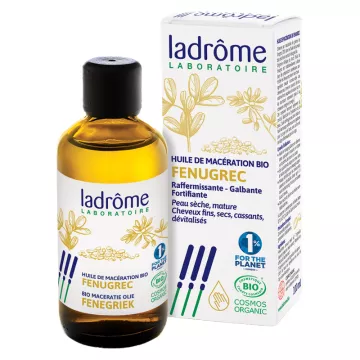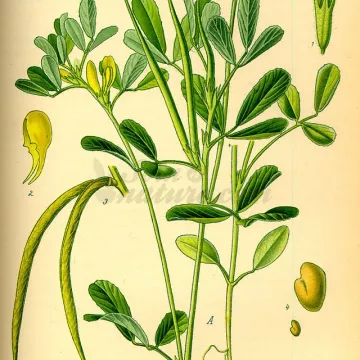
Fenugreek (Trigonella foenum-graecum) is an aromatic and medicinal plant native to the Mediterranean region and Asia, used since ancient times in herbal medicine and cooking. Rich in saponins, proteins, mucilaginous fibers, and antioxidants, it has traditionally been used to support digestion, appetite, and overall well-being. Its uses are based on tradition: the EFSA has not validated any specific health claims regarding it.
Fenugreek is traditionally valued for promoting digestive comfort. Its mucilaginous fibers and aromatic compounds explain this long-standing use.
Fenugreek is among the plants traditionally known to stimulate the appetite. This use has a long history but is not a substitute for nutritional guidance in cases of significant weight loss.
Fenugreek is traditionally associated with women’s well-being, particularly in supporting lactation. However, it contains compounds with controversial phytoestrogenic effects, the scientific basis of which remains unclear and calls for caution.
Due to these compounds, fenugreek is not recommended for those with a history of hormone-dependent cancer. During breastfeeding, it is recommended to consult a doctor or midwife.
Among athletes, fenugreek is primarily valued for its nutritional content: plant-based protein, fiber, and minerals. Claims regarding testosterone or performance have not been scientifically proven.
When used topically, fenugreek remains a traditional beauty ingredient. It’s important to note that cosmetic-grade collagen does not penetrate the dermis: no plant can “stimulate” its production through topical application.
Fenugreek is available in several forms depending on your needs: herbal tea, powder, sprouted seeds, or dietary supplement. As the ANSM and ANSES remind us, a supplement is not a substitute for a balanced diet.
Fenugreek should be used as part of a responsible approach to herbal medicine: always follow the recommended dosage.
Although fenugreek is generally well tolerated, it does require certain precautions.
A severe allergic reaction (swelling of the face or throat, difficulty breathing) may indicate angioedema: this is a medical emergency; call 15 or 112. If in doubt, seek advice before starting any treatment. Content reviewed by Arnaud, Ph.D. in Pharmacy.