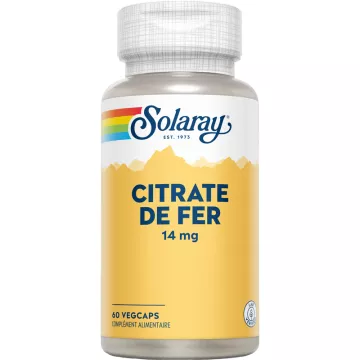
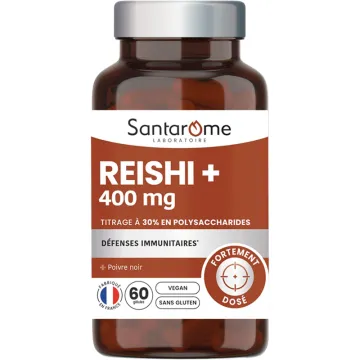
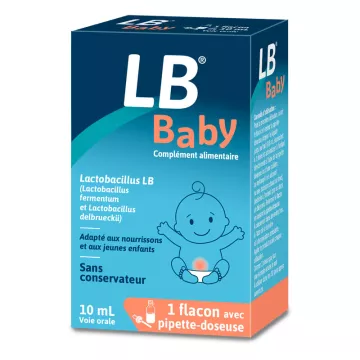
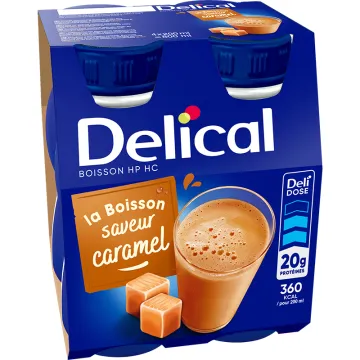
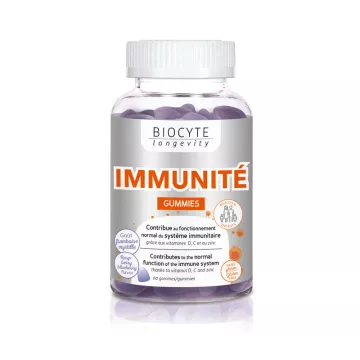
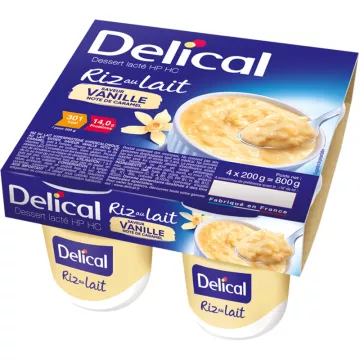
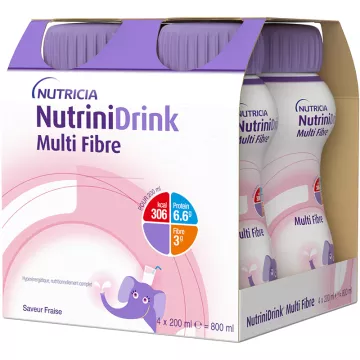
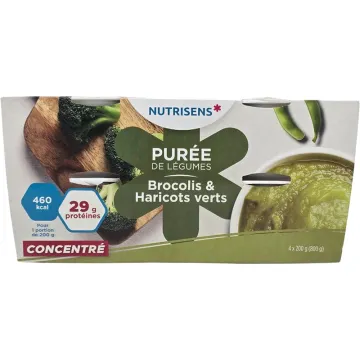
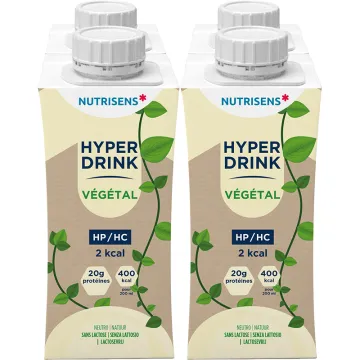
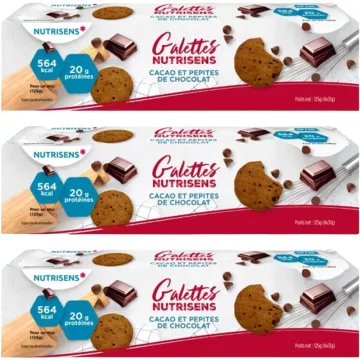
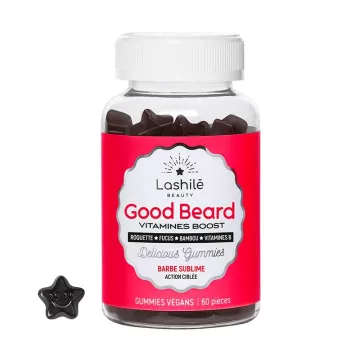
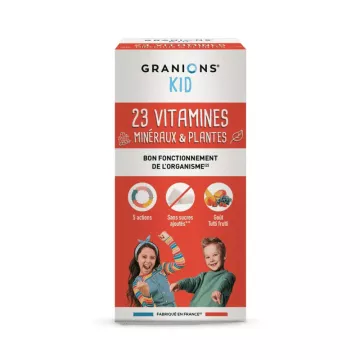
A dietary supplement is a food product intended to supplement the normal diet by providing vitamins, minerals, amino acids, fatty acids, herbs, or other bioactive compounds in the form of capsules, tablets, powders, or liquids. It is not a substitute for a balanced diet—it supplements it in a targeted manner according to individual needs and life stages. Explore our full range of supplements and our supplements for seniors.
Nutritional Supplements: Which Active Ingredients for Which Needs?
Each supplement addresses a specific nutritional need—a blood test helps determine which active ingredients to prioritize.
- Vitamin D3: 80% of French people are deficient in winter—immunity, bones, muscles; 1,000 to 2,000 IU/day in fall and winter
- Magnesium: 70% of French people fall short of recommended intake levels—fatigue, nervous system, sleep; glycinate or malate for better digestive tolerance
- Omega-3 EPA+DHA: structural imbalance between omega-6 and omega-3 in the Western diet—heart and brain function
- Probiotics: support for gut microbiota after antibiotic treatment, travel, or digestive imbalances
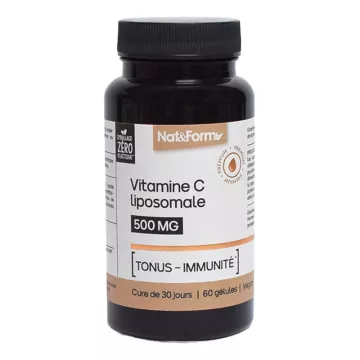
- Vitamin C: immunity, reduced fatigue, collagen synthesis—especially in winter and for athletes
- Annual blood test recommended before starting any supplementation: vitamin D, B12, ferritin, serum magnesium
Nutritional supplements for athletes?
Sports nutrition is one of the best-documented areas of supplementation.
- Protein (whey, plant-based): supports muscle growth and maintenance—20–40 g post-workout
- Creatine monohydrate: enhances performance during repeated high-intensity exercises—3 g/day, the most well-documented sports supplement
- BCAAs (leucine, isoleucine, valine): supports muscle protein metabolism during exercise
- Magnesium and vitamin C: energy cofactors that are particularly taxed by intense physical activity
- Informed Sport or Cologne List certifications recommended for competitive athletes subject to doping control
Nutritional supplements tailored to life stages?
Each life stage has specific nutritional needs that guide supplementation.
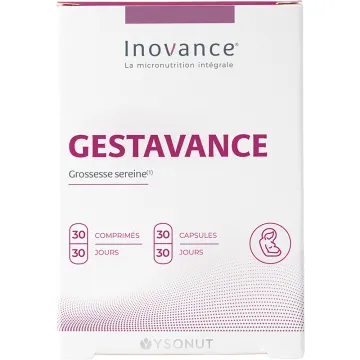
- Pregnant and breastfeeding women: folic acid (B9) starting at conception, vitamin D3, iodine, DHA—as directed by a healthcare provider
- Vegetarians and vegans: vitamin B12 (essential; no reliable plant-based sources), vitamin D3, algal DHA, iron, zinc, iodine
- Seniors: reduced absorption of vitamin B12, calcium, and vitamin D3—enriched formulas tailored to their needs through our senior supplement line
- Children: Vitamin D3 starting at birth (400 IU/day until age 5), omega-3 DHA for brain development — pediatric formulas with appropriate dosages
- Stressed individuals: magnesium, B vitamins, L-theanine — nervous system support without sedation
Natural vs. synthetic: what’s the real difference?
The distinction between natural and synthetic is often more about marketing than science—the chemical form takes precedence over the source.
- Synthetic vitamin C (ascorbic acid) is biochemically identical to natural vitamin C and is absorbed just as well
- Natural extracts may contain synergistic cofactors (bioflavonoids with vitamin C, tocopherols with vitamin E)—a real but modest benefit
- What matters: the chemical form of the active ingredient (magnesium glycinate > oxide, vitamin D3 > D2, methylcobalamin > cyanocobalamin for B12)
- Choose based on form and bioavailability, not just the “natural” label
- For herbal active ingredients: standardized extracts ensure a reliable active ingredient content
Storage of dietary supplements?
Proper storage preserves the activity of the active ingredients until the expiration date.
- General guidelines: store in a cool (< 25°C), dry place away from light—UV light and humidity degrade vitamins and probiotics
- Probiotics: Many require refrigeration (2–8°C) after opening—check the label
- Omega-3 softgels: Store away from heat and light—may become rancid if stored improperly
- Effervescent or powdered vitamin C: reseal tightly after each use—rapid degradation occurs due to moisture and air
- Never exceed the expiration date—the active ingredient content is no longer guaranteed beyond that point