What is vitamin C, and why does the body need it?
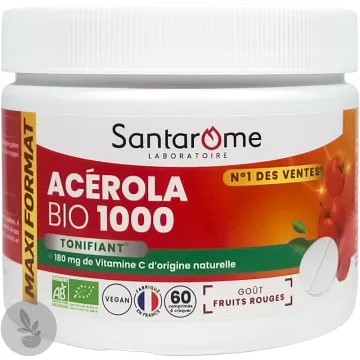
Vitamin C (L-ascorbic acid) is an essential water-soluble vitamin that humans cannot synthesize—unlike most animals—due to the lack of the enzyme L-gulonolactone oxidase. It must therefore be obtained daily through diet or supplementation. A powerful antioxidant, enzyme cofactor, and immunostimulant, vitamin C is one of the most extensively studied micronutrients. Explore our vitamin C line, our acerola formulas, and our natural antioxidants.
- Key biochemical functions: cofactor for hydroxylases (enzymes that hydroxylate proline and lysine for the synthesis of collagen, carnitine, and catecholamines) — powerful reducing agent (water-soluble antioxidant; neutralizes ROS in aqueous compartments) — regenerates oxidized vitamin E (antioxidant synergy) — chelator of non-heme iron (increases iron absorption from plant sources by 2–4 times) — cofactor for dopamine beta-hydroxylase (synthesis of norepinephrine)
- Requirements and RDA: Adult RDA in France (ANSES) = 110 mg/day — optimal intake according to research: 200–500 mg/day for tissue saturation — increased requirements: smokers (at least +35 mg/day), chronic stress, acute infections, elite athletes, pregnant women (105 mg/day), and breastfeeding women (120 mg/day) — older adults (reduced absorption + compromised immunity)
- Deficiency and scurvy: severe vitamin C deficiency → scurvy (extreme fatigue + bleeding gums + bruising + impaired wound healing + joint pain + anemia) — now rare in developed countries, but subclinical deficiencies (< 50 µmol/L plasma) affect 5–10% of the French population (smokers, older adults, disadvantaged populations)
- Bioavailability: saturable intestinal absorption (SVCT1 transporter Km) — nearly 100% at 200 mg/day — drops to 50% above 1,000 mg/dose → divide doses — the liposomal form improves bioavailability at high doses —acerola (natural vitamin C + bioflavonoids) has slightly higher bioavailability than pure synthetic vitamin C
- Storage and half-life: intracellular concentrations 10–50× higher than in plasma — total body pool ≈ 1,500 mg (saturation) — plasma half-life ≈ 10–20 days (sufficient to prevent scurvy within a few weeks without supplementation) — but optimal tissue levels require daily supplementation
Roles in immunity, collagen synthesis, and combating fatigue
- Immunity: Vitamin C is concentrated in leukocytes (neutrophils—50–100× the plasma concentration)—stimulates the production and migration of neutrophils (frontline phagocytes)—activates NK cells and cytotoxic T cells—supports the production of IgG and IgA antibodies—reduces the duration of the common cold by 8–14% according to meta-analyses (Cochrane 2013—29 studies)—visit our immune defense page
- Collagen synthesis: Vitamin C is the only essential cofactor for prolyl and lysyl hydroxylases—enzymes that stabilize collagen’s triple-helix structure—without sufficient vitamin C, the collagen produced is unstable → vascular ruptures + no healing (symptoms of scurvy) — role in dermatology, rheumatology (cartilage), and dentistry (gums)
- Energy and fatigue: Vitamin C is a cofactor in the synthesis of carnitine (which transports fatty acids to the mitochondria for ATP production) → deficiency → muscle fatigue + weakness — plays a role in the synthesis of norepinephrine (a neurotransmitter involved in alertness and motivation) — improves iron absorption (prevents iron-deficiency anemia, a major cause of fatigue)
- Antioxidant and cardiovascular benefits: neutralizes free radicals in plasma and intracellular aqueous compartments — protects LDL from oxidation (prevents atherosclerosis) — promotes endothelial vasodilation (increases available NO) — studies show a 10–15% reduction in systolic blood pressure with 500 mg/day — discover our natural antioxidants
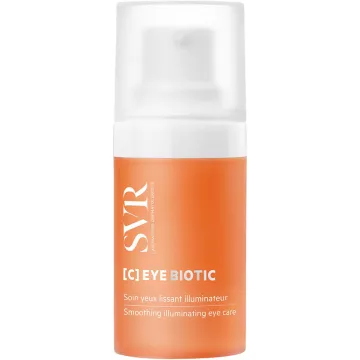
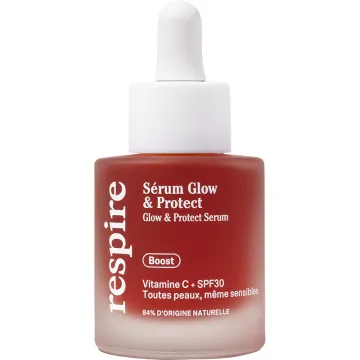
- Skin and anti-aging: topical vitamin C (10–20% serums — stabilized LAA form) + oral — stimulates skin collagen synthesis — photoprotection (neutralizes ROS generated by UV rays) — depigmentation (inhibits tyrosinase) — wrinkle reduction — recommended as a complement to SPF sun protection
Dietary sources and supplement forms
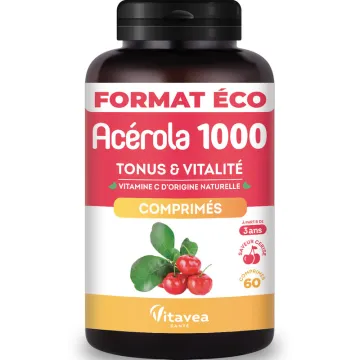
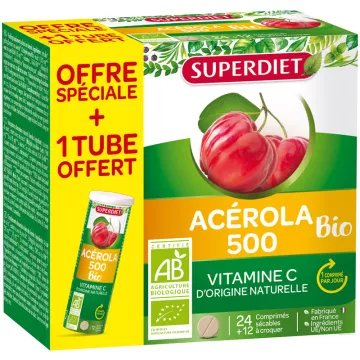
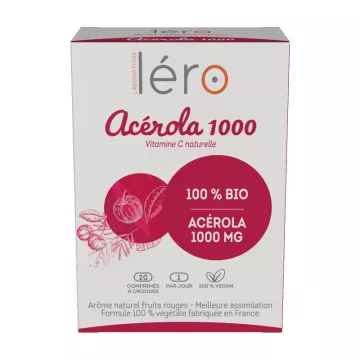
- Richest dietary sources: acerola 1,200–1,700 mg/100 g (world record) — black currant 150–200 mg/100 g — raw red bell pepper 140 mg/100 g — kiwi 80–90 mg/100 g — fresh parsley 130 mg/100 g — cooked broccoli 65 mg/100 g — strawberries 60 mg/100 g — orange 50 mg/100 g — lemon 50 mg/100 g — check out our acerola formulas
- Destruction by heat and oxidation: Vitamin C is sensitive to heat and oxidation — prolonged cooking at high temperatures destroys 30–80% of vitamin C — opt for: raw or briefly steamed over low heat — store fruits and vegetables in a cool place and away from light — orange juice loses 25% of its vitamin C within 30 minutes when exposed to air
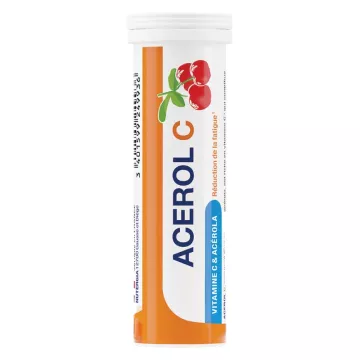
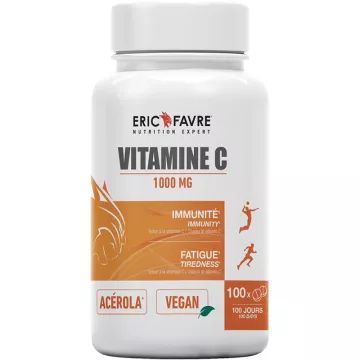
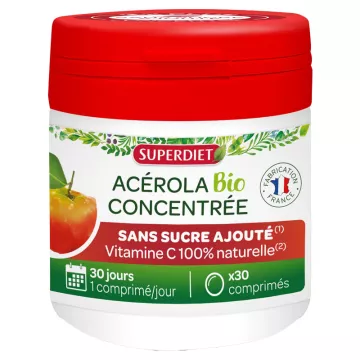
- Natural acerola vs. synthetic vitamin C: Synthetic vitamin C (pure ascorbic acid) is chemically identical to natural vitamin C—bioavailability is comparable in the absence of bioflavonoids—acerola also provides bioflavonoids (hesperidin, rutin, bioflavonoids) that enhance antioxidant effects and iron absorption—acerola’s advantage: a synergistic natural phytochemical complex
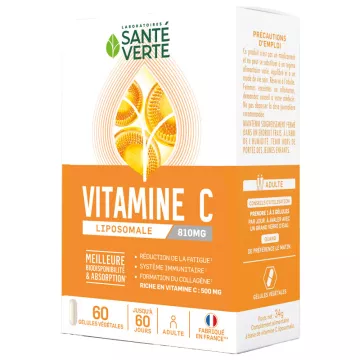
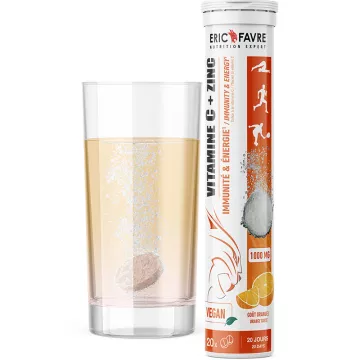
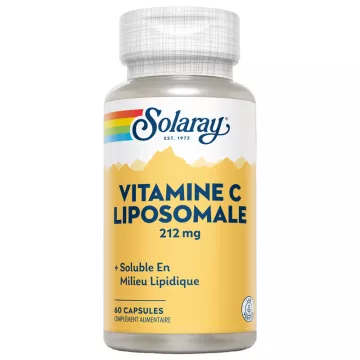
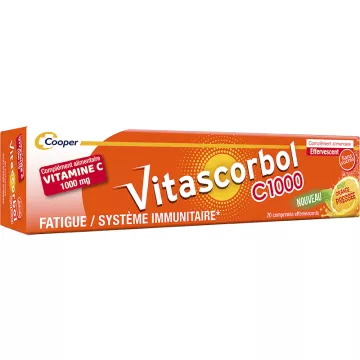
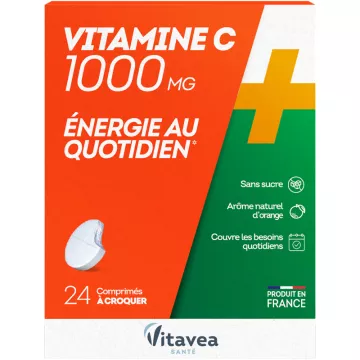
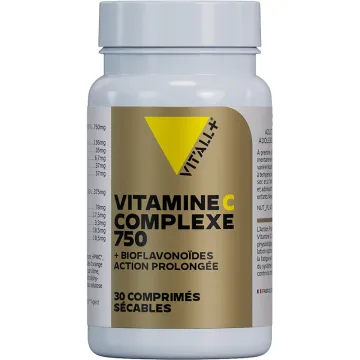
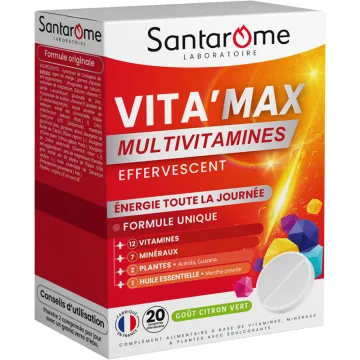
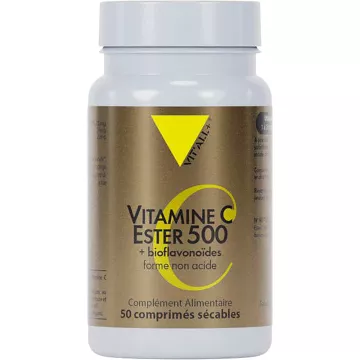
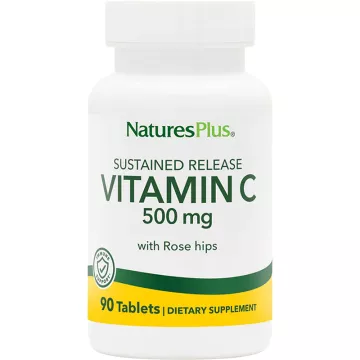
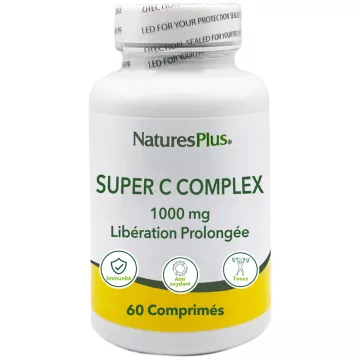
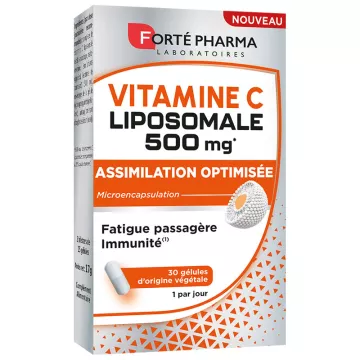
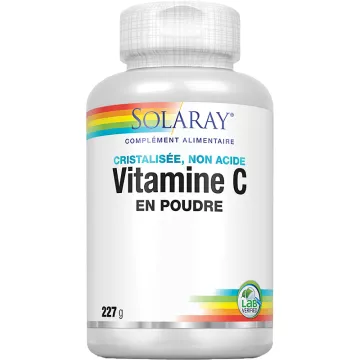
- Available dosage forms: standard tablets — effervescent tablets (rapid absorption, possible irritation) — capsules (well-tolerated by the digestive system) — powder (flexible dosing) — liposomal forms (high bioavailability at high doses, reduces digestive side effects) — oral vials — chewing gum
- Zinc + vitamin C + selenium: the antioxidant and immunostimulant triad — zinc (SOD cofactor, T and B cell immunity) — selenium (cofactor for GPx, membrane protection) — combine these three micronutrients for winter prevention to achieve a synergistic effect — explore our immunity product line
Dosage, Safety, Interactions, and Specific Populations
- Supplementation protocols: daily prevention — 200–500 mg/day in 1–2 doses with meals — winter immune support — 500–1,000 mg/day as a 4–8-week course — at the first signs of a cold — 1,000–2,000 mg/day for the first 3–5 days (early intervention) — intense exercise — 500 mg/day before/after workouts — seniors — 500 mg/day (absorption is often reduced)
- Safety and Side Effects: Vitamin C is very well tolerated — the threshold for digestive tolerance varies among individuals — at doses of 2,000 mg/day or higher: osmotic diarrhea, nausea, bloating (dose-dependent and reversible upon discontinuation) — buffered forms (sodium ascorbate, calcium ascorbate): better tolerated by the digestive system — liposomal forms: virtually no digestive side effects
- Drug interactions: anticoagulants (VKAs)—doses > 1,000 mg/day may potentiate the anticoagulant effect → inform the doctor—chemotherapy—some protocols advise against high-dose vitamin C (potential protection of tumor cells) → always consult an oncologist — estrogens (contraceptives, HRT) — increase vitamin C requirements
- Oxalate kidney stones: Vitamin C is metabolized into oxalate (10–15%) — individuals with a history of calcium oxalate stones → do not exceed 1,000 mg/day + drink plenty of fluids + consult a doctor — low risk at doses typically used by the general population
- Visit our comprehensive vitamins page for an overview of all essential vitamins