How does the immune system work, and why is it important to support it?
The immune system is a complex network of organs (thymus, bone marrow, spleen, lymph nodes), cells (T cells, B cells, NK cells, macrophages, neutrophils), and proteins (antibodies, cytokines, complement) that protects the body against pathogens. Its effectiveness is closely linked to lifestyle, nutrition, and mental well-being. Find our complete immunity line, our probiotic supplements, and our probiotic formulas at pharmacies.
- Innate immunity: first line of defense—non-specific—physical barriers (skin, mucous membranes, mucus, cilia) — sentinel cells (macrophages, neutrophils, NK cells) that rapidly eliminate any foreign agent — responds within a few hours — relies on vitamin D3, zinc, and selenium to function effectively
- Adaptive immunity: specific response and immunological memory—B cells (antibody production) + T cells (destruction of infected cells)—develops over 5–14 days—vaccination harnesses this immunological memory to prepare the body for future exposure
- Gut-Immune Axis: 70–80% of immune cells reside in GALT (gut-associated lymphoid tissue) — The gut microbiota regulates immune tolerance and the intensity of the inflammatory response — Dysbiosis (an imbalance in the microbiota) → suboptimal immunity and chronic inflammation
- Stress and Immunity: Chronic cortisol is immunosuppressive — reduces the production of T cells, NK cells, and antibodies — explains why overworked people get sick more often — stress management = an often-underestimated pillar of immunity
- Signs of weakened immunity: recurrent ENT infections (> 6/year in adults) — slow recovery — persistent fatigue after an infection — recurrent herpes (EBV or HSV reactivation) — repeated fungal infections — slow wound healing
Micronutrients essential for immune defense
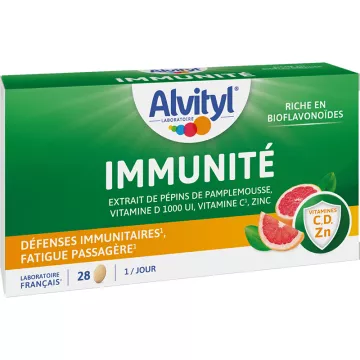
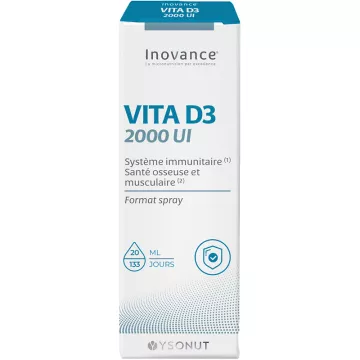
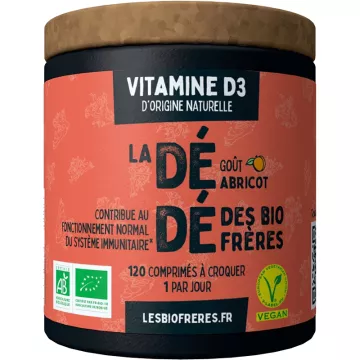
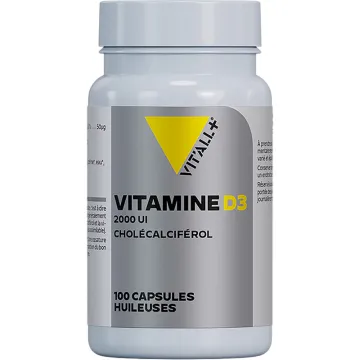
- Vitamin D3: the “conductor” of innate and adaptive immunity — activates macrophages and dendritic cells — reduces the risk of respiratory infections by 40–50% when a deficiency is corrected — nearly universal deficiency in France during winter (80% of the population) — 1,000–2,000 IU/day from October to March — visit our dedicated page
- Zinc: the quintessential trace element for immunity — a cofactor for over 300 immune enzymes — essential for the development of T and B lymphocytes — deficiency → lymphopenia + recurrent infections — zinc gluconate or bisglycinate 10–15 mg/day (do not exceed this amount—risk of paradoxical immunosuppression with prolonged high doses)
- Selenium: cofactor for glutathione peroxidases (GPx) — protects immune cells from oxidative stress — activates NK cells — deficiency → immunosuppression + increased susceptibility to RNA viruses (influenza, coronaviruses) — selenomethionine 100–200 µg/day
- Vitamin C: acerola (natural vitamin C with synergistic bioflavonoids) — stimulates the production and mobility of neutrophils — reduces the duration and severity of colds by 8–14% according to meta-analyses — increased requirements in smokers (+35 mg/day) — 500–1,000 mg/day for prevention
- Vitamin A: essential for the integrity of mucous membranes (the first line of defense against pathogens) — beta-carotene (a precursor found in colorful plants) + retinol (from animal products) — do not take retinol supplements without a medical evaluation (risk of toxicity)
Herbs and bee products to boost immunity
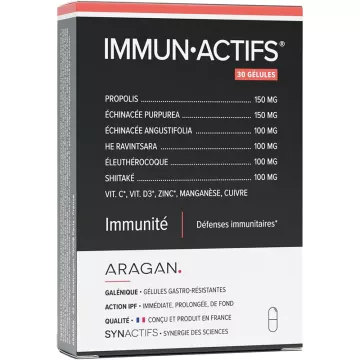
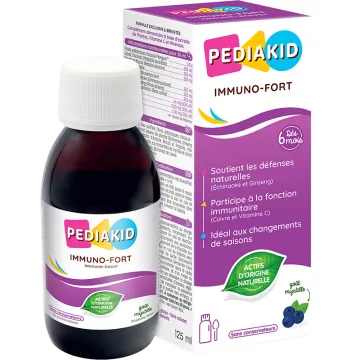
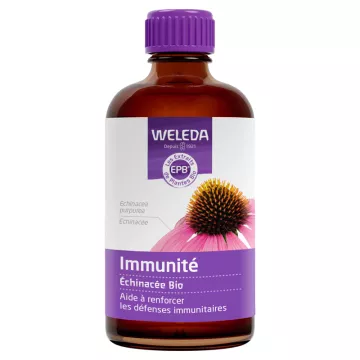
- Echinacea (Echinacea purpurea): the most well-documented immunostimulant plant — stimulates the production and activity of macrophages, NK cells, and lymphocytes — meta-analyses show a 35% reduction in the risk of the common cold and a 26% reduction in its duration — short course of treatment lasting 8–10 days maximum (not for long-term use) — contraindicated in autoimmune diseases
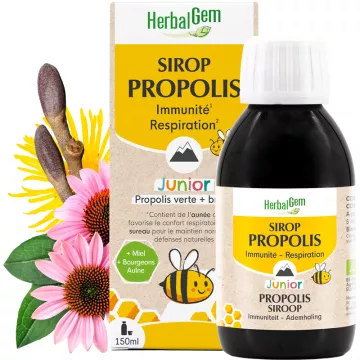
- Propolis: hive resin rich in flavonoids and phenolic acids — antimicrobial properties (against S. aureus, E. coli, Candida), antiviral properties (influenza, HSV, rhinovirus) and anti-inflammatory properties—as an oral spray for ENT infections—in capsules for general immunity—choose French propolis with a guaranteed polyphenol content
- Garlic (Allium sativum): allicin (released when raw garlic is crushed) has documented antimicrobial and immunostimulatory properties — aged (black garlic) for better digestive tolerance — 2–4 cloves/day of raw garlic or standardized extract — visit our dedicated page
- Elderberry (Sambucus nigra): rich in anthocyanins — documented antiviral properties against influenza (neuraminidase inhibition) and reduction in the duration of colds — available as syrup or capsules — start taking as soon as the first symptoms appear
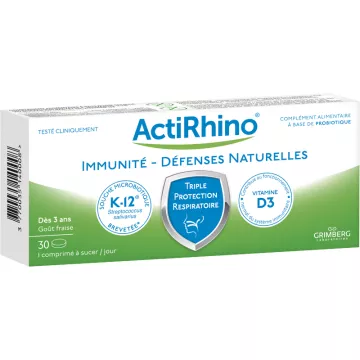
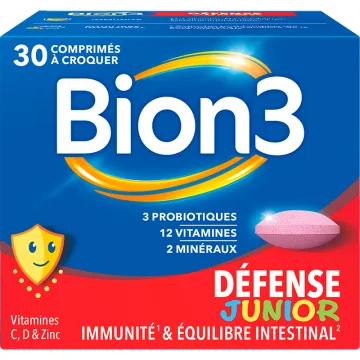
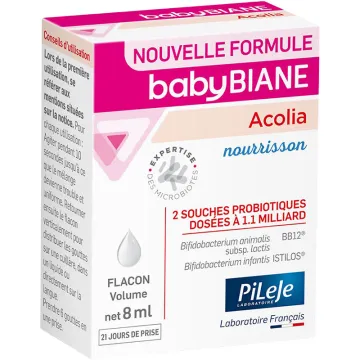
- Probiotics and Immunity: Lactobacillus rhamnosus GG + Bifidobacterium animalis — reduce the incidence and duration of respiratory infections in controlled studies — at least 10⁹ CFU/day — choose scientifically validated strains and probiotic formulations available at pharmacies
Lifestyle, Sleep, and Immune-Boosting Nutrition
- Restorative sleep: During sleep, the body produces cytokines (IL-1, IL-6, TNF-α) that boost immunity — even a single short night’s sleep (< 6 hours) reduces vaccine efficacy and quadruples the risk of rhinovirus infection — 7–9 hours per night + consistent sleep schedule
- Moderate physical exercise: 30–45 minutes of aerobic activity 3–5 times a week improves the circulation of NK cells and T lymphocytes—immunostimulatory effect—intense and prolonged exercise (competition, triathlon) has a temporary opposite effect (post-exercise immunosuppression window) — opt for regular moderate exercise
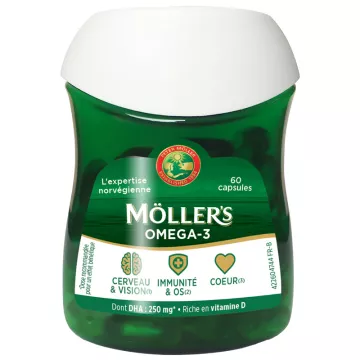
- Immune-boosting diet: a rainbow of fruits and vegetables (antioxidants, vitamins, polyphenols) — legumes and whole grains (zinc, selenium, prebiotic fiber)—nuts and seeds (antioxidant vitamin E, zinc, selenium) — fatty fish (anti-inflammatory EPA/DHA, vitamin D) — fermented foods (kefir, yogurt, sauerkraut, miso) for gut microbiota
- Hydration and mucous membranes: 1.5–2 L of water per day — well-hydrated mucous membranes form an effective physical barrier — hot water with lemon and ginger in the morning combines hydration + vitamin C + anti-inflammatory gingerols
- Quit smoking and limit alcohol: tobacco destroys bronchial cilia (mechanical barrier) and impairs macrophage function — alcohol consumption of more than 2 drinks per day reduces lymphocyte production — these two factors are the main preventable immunosuppressants