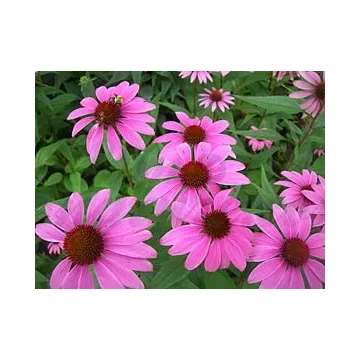
The genus Echinacea (Asteraceae family) includes three main species used in herbal medicine:
Moringa (Moringa oleifera, isothiocyanates, and polyphenols) is a complementary plant for immune nutrition, with anti-inflammatory and immunomodulatory effects that work synergistically with echinacea.
Echinacea’s immunostimulatory mechanisms are multifactorial. Alkylamides activate the CB2 receptors of the endocannabinoid system (immune receptors found on macrophages and monocytes), triggering a controlled mobilization of the innate immune response. Polysaccharides (arabinogalactans) directly stimulate macrophages and increase the production of interleukins (IL-1β, IL-6, TNF-α) and NK cells. Echinacoside exerts direct antiviral activity (inhibiting viral entry into host cells) and mild antibacterial activity. Thyme (Thymus vulgaris, thymol, and carvacrol) is often combined with echinacea in ENT formulations for its direct and complementary antimicrobial activity in the respiratory tract.
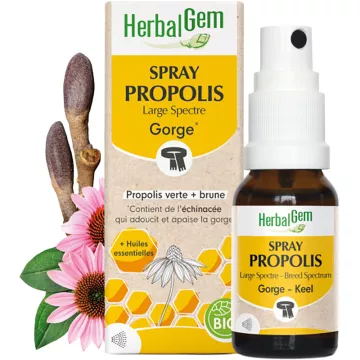
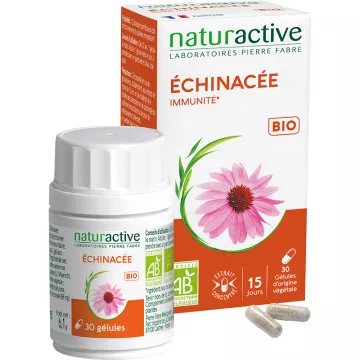
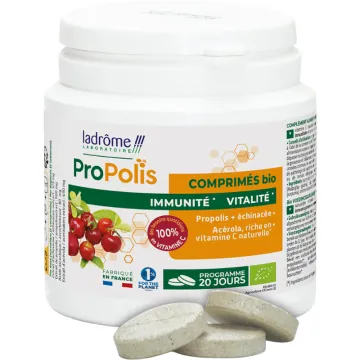
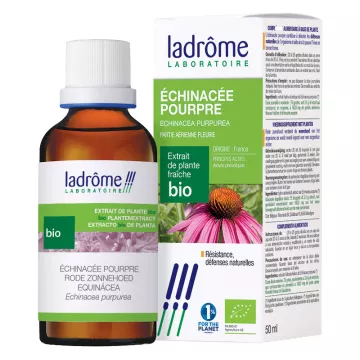
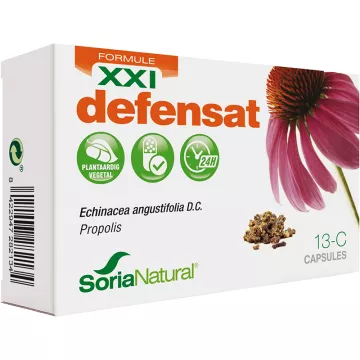
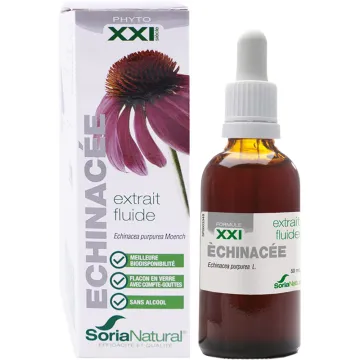
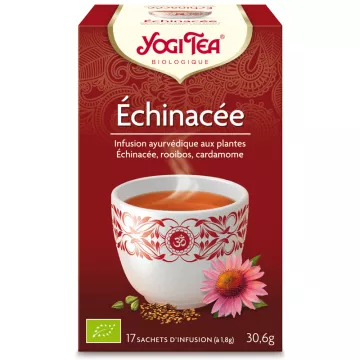
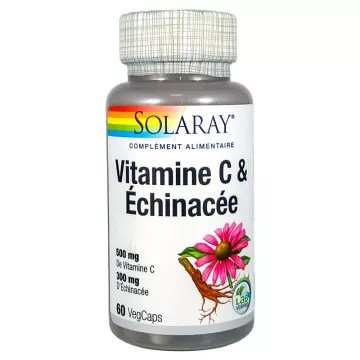
Echinacea is particularly indicated for the prevention and treatment of winter ENT infections (colds, nasopharyngitis, mild viral sore throats). Meta-analyses show a 10–35% reduction in the incidence of colds and a 1–2-day reduction in duration when taken early. The available dosage forms are: EPS (alcohol-free, glycerin-based phytostandard extract, which offers the best dosage and highest bioavailability), hydroalcoholic fluid extract (50 ml, to be diluted in water), standardized capsules (45 to 200 capsules), and herbal teas.Angelica (Angelica archangelica) is a complementary ENT herb due to its expectorant and anti-inflammatory effects on the respiratory tract.
There are specific recommendations regarding the duration of echinacea treatment courses. The German Commission E recommends a maximum of 8 consecutive weeks of use—beyond that, a theoretical risk of a reduction in the immunostimulant effect is cited, although this is poorly documented. ESCOP endorses short courses of treatment (8 to 10 days) during episodes of infection, repeated after a 3-week break. In practice, most herbalists recommend 3-week courses with a 1-week break during the winter. Kudzu (Pueraria montana, isoflavones) is an adaptogen that can be taken alongside echinacea regimens to support overall health during periods of winter fatigue.
Echinacea is generally well tolerated. Its formal contraindications include: autoimmune diseases (lupus, multiple sclerosis, rheumatoid arthritis, Crohn’s disease)—immune stimulation may exacerbate the autoimmune response. Allergy to the Asteraceae family (chamomile, arnica, yarrow, chrysanthemum) is a relative contraindication that should be evaluated. Patients taking immunosuppressants (organ transplant recipients, those on biologic therapy) should consult their doctor before use. As a precaution, echinacea is not recommended during the first trimester of pregnancy. Oat beta-glucans are a mild immunomodulatory alternative with no major contraindications for people who cannot take echinacea.
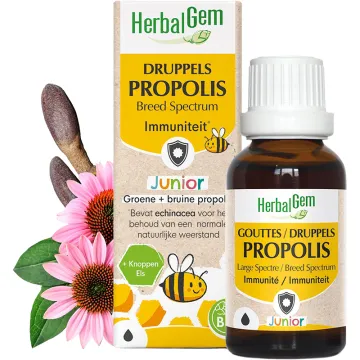
The use of echinacea in children is approved for ages 1 to 4, depending on the formulation and manufacturer, with dosages adjusted for body weight (generally 1/3 to 1/2 of the adult dose). Junior formulas (alcohol-free drops, echinacea syrup, pediatric capsules) are designed for optimal tolerance. The Commission E does not formally contraindicate its use in children, but emphasizes the importance of medical supervision in cases of repeated infections or infections of unusual duration. The Gemmo Immuno Enfant formulas (alder + fir + rosehip buds) and junior echinacea preparations are often combined to boost immunity in group settings. Bamboo (Bambusa arundinacea, bioavailable organic silica) is a constitutional supplement used in pediatric immune support formulas for its role in strengthening connective tissue and building resistance to recurrent infections.