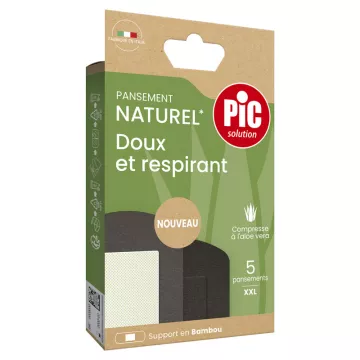
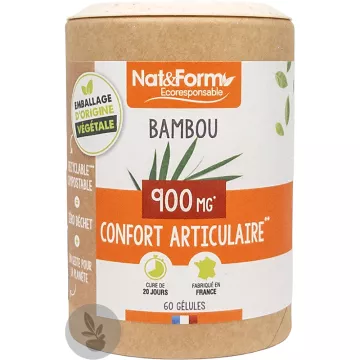
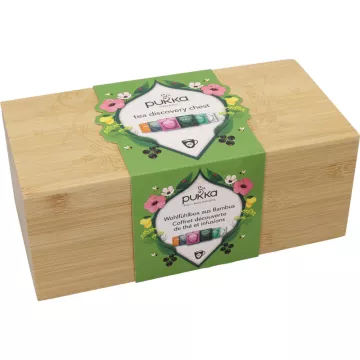
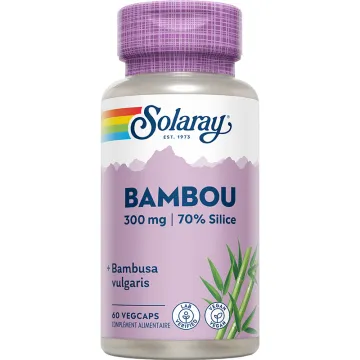
Bamboo is a herbaceous plant belonging to the Poaceae family, known for its exceptionally rapid growth and remarkable versatility. Used in construction, interior design, fashion, food, and personal care, bamboo has established itself as a natural and eco-friendly alternative to synthetic materials. Its success rests on three pillars: its durability, its ability to regenerate quickly, and its low environmental impact. Discover how this remarkable plant is transforming your daily routine and your consumer choices.
Bamboo embodies a sustainable approach to consumption. Unlike trees, which take decades to reach maturity, certain varieties of bamboo become harvestable in just 3 to 5 years. This ultra-rapid growth makes it the ultimate renewable resource, minimizing pressure on forest ecosystems.
Another major advantage: bamboo grows naturally without pesticides or chemical fertilizers, while promoting excellent soil regeneration. Compared to traditional wood species, its carbon footprint is significantly lower. For environmentally conscious consumers, choosing bamboo means prioritizing tangible and measurable environmental responsibility.
Bamboo fiber is revolutionizing the textile industry by offering remarkable properties for exceptionally soft and comfortable fabrics. It is ultra-soft—comparable to silk in terms of softness—while remaining breathable and lightweight. These characteristics make it ideal for:
Natural bamboo textiles are a smart choice for anyone who prioritizes comfort without environmental guilt.
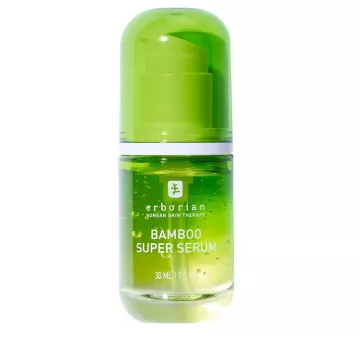
Bamboo is incorporated into a range of natural cosmetics in the form of finely ground powder or extract. Its cosmetic applications are based on well-documented properties:
Incorporating bamboo into gentle shampoos offers several cosmetic benefits. Bamboo powder provides lightness without leaving a residue, making it ideal for damaged or thick hair that needs both volume and lightness. Curly hair particularly benefits from its ability to define curls without leaving a powdery residue.
Beyond cosmetics, bamboo as a raw material possesses remarkable physical properties. It is stronger than steel on a weight-for-weight basis and more durable than many types of wood, including oak. This exceptional resilience explains its use in:
To maximize the positive impact of your purchases, look for:
To extend the lifespan of your products and preserve the environmental impact of your purchases:
Simple, regular care transforms each product into a sustainable investment—the true mark of a consistent eco-friendly choice.