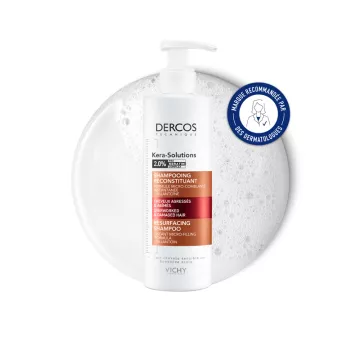
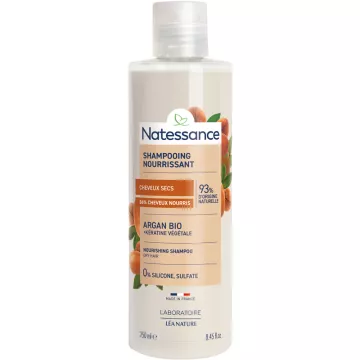
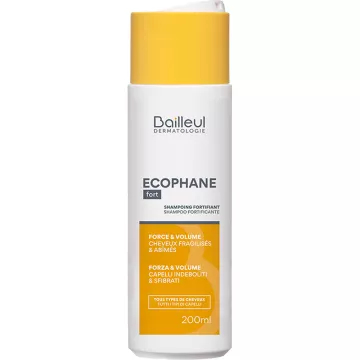
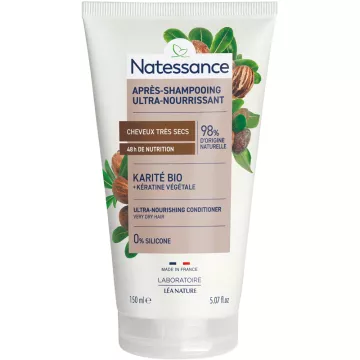
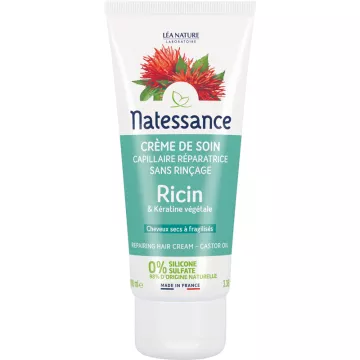
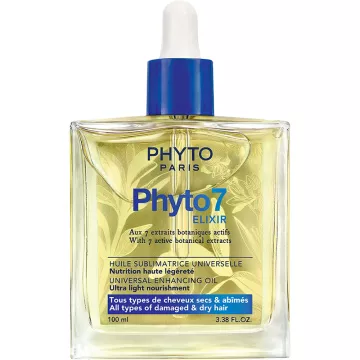
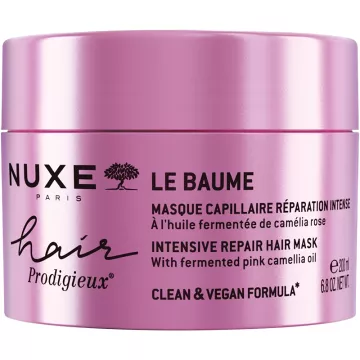
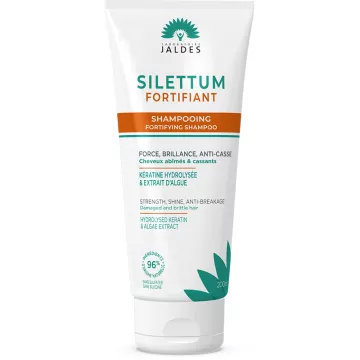
Damaged hair can be recognized by several signs: a rough texture to the touch, split ends, a lack of shine, and a tendency to tangle easily. If your hair breaks when you brush it or remains dull despite your hair care routine, it is likely damaged. From a mechanical standpoint, this damage indicates a compromised cuticle: its scales, which are normally smooth and tightly packed, lift and flake away, exposing the cortex and depriving the hair fiber of protection and shine. There are many causes—heat, chemicals, external aggressors, and inappropriate hair care—and their effects accumulate over time. It’s essential to understand that hair is dead matter, incapable of self-repair: the whole point of a hair care routine is to improve its appearance, minimize breakage, and prevent further damage—rather than to “repair” the irreparable.
Prevention remains the best strategy for dealing with damaged hair:
Reducing damage prevents it from setting in and worsening, whether on dry hair or any type of weakened hair. It’s better to prevent damage than to try to cover up damage that’s already there.
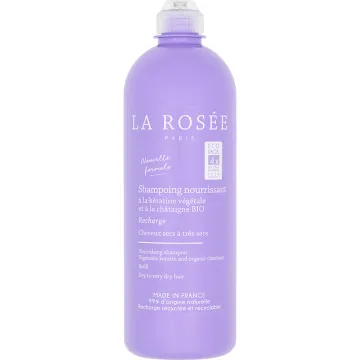
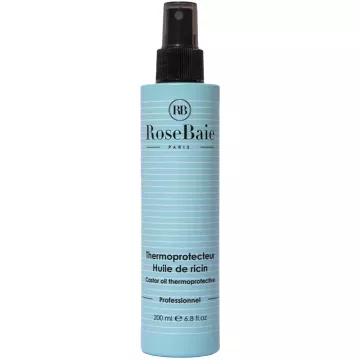
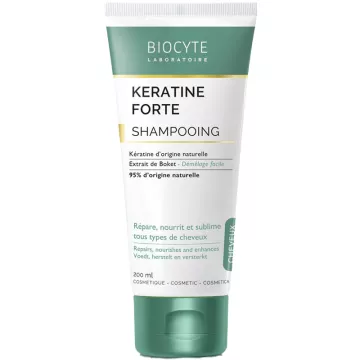
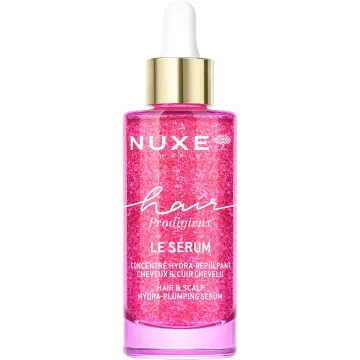
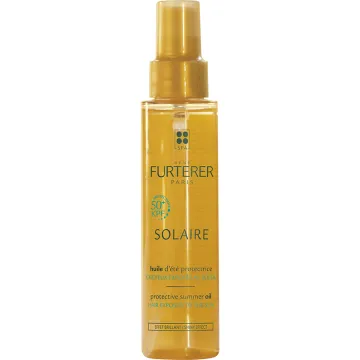
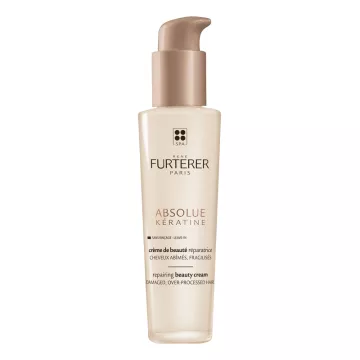
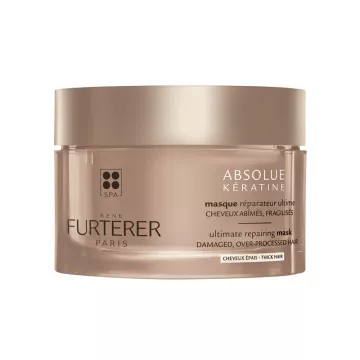
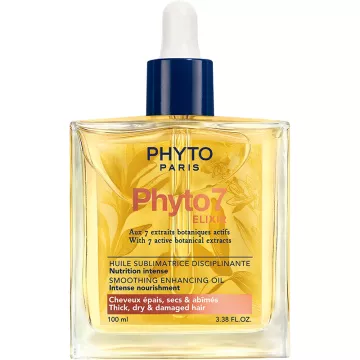
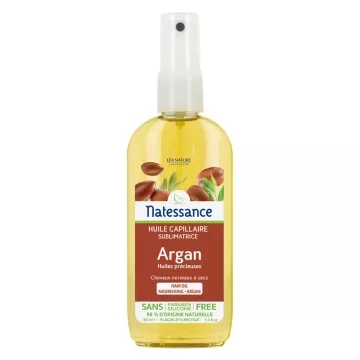
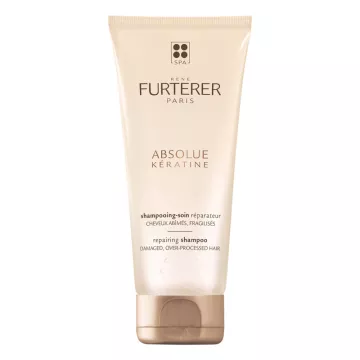
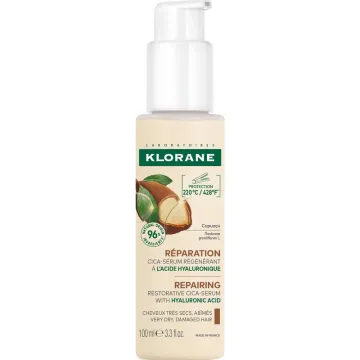
For damaged hair, opt for products enriched with keratin, plant-based oils (argan, coconut), silk proteins, and amino acids. These active ingredients coat the hair shaft, hydrate it, and improve its shine and apparent strength. For severely damaged hair, intensive treatments are recommended: coating masks (keratin, proteins) improve the hair’s structure, hot oil treatments deeply nourish the hair, and leave-in treatments lock in moisture and smooth the cuticles to prevent future damage. A serum offers several benefits: it protects against heat and environmental stressors, smooths the cuticles for a shiny, frizz-free look, and temporarily “seals” split ends. A word of caution: all these treatments improve the appearance and behavior of the hair fiber, but they do not structurally rebuild dead hair. Checking the INCI list allows you to verify the presence of moisturizing and coating active ingredients in the right positions.
For damaged hair, distinguishing between these two concepts is essential, as they address different needs.Hydration aims to retainwater within the hair fiber, making it supple and elastic: this is achieved through humectants likealoe vera or glycerin, which attract and retain water. Nutrition aims to provide lipids that strengthen the hair fiber’s protective barrier: these are found in fatty substances such as shea butter or avocado oil. Damaged hair often needs both: first, hydrate (add water), then seal in the moisture with a fatty substance (nutrition) to retain that water. Confusing the two, or focusing on only one, explains why many routines are ineffective: hair that is only “nourished” with oils can remain dehydrated, and vice versa. It’s thebalance between hydration and nourishment that truly restores comfort and suppleness to damaged hair.
It’s impossible to permanently repair damaged hair: the damage affects the internal structure of the hair shaft, which does not regenerate. However, appropriate and regular care greatly improves the hair’s appearance, comfort, and overall health. The key is to combine deep treatments, eliminating sources of damage, and a consistent routine. Above all, trimming remains essential: trimming the ends every three to four months eliminates split ends before they travel up the shaft and worsen breakage. Note that trimming cleans up the lengths but does not “stimulate” growth, which is determined by genetics. If you wish to color already damaged hair (not recommended, as this exacerbates the damage), opt for gentle, ammonia-free hair dyes and follow up the coloring with deep conditioning treatments. For severely damaged hair, a specialized hairstylist—capable of making an accurate diagnosis and providing tailored treatments—is your best resource. Patience and consistency are more important than promises of quick fixes.
Proteins (keratin, plant proteins) coat the damaged hair shaft, improving its apparent strength and reducing breakage. But be careful tomaintain balance: an excess of protein makes hair stiff and, paradoxically, more brittle—this is known as “protein overload.” It is therefore essential to alternate between protein-based and moisturizing treatments. As for plant-based oils (jojoba, almond), they nourish and protect the hair shafts. A word of caution regarding essential oils, which are sometimes recommended for the scalp: they must always be diluted in a plant-based oil and are not recommended for pregnant or breastfeeding women or young children. Contrary to popular belief, no oil has been proven to “stimulate circulation to promote growth”; they primarily provide comfort and nourishment. Finally, taking care of the scalp (the foundation of healthy hair) is just as important as caring for the hair shafts. If damaged hair is accompanied by abnormal hair loss, consulting a doctor can help rule out any underlying causes.