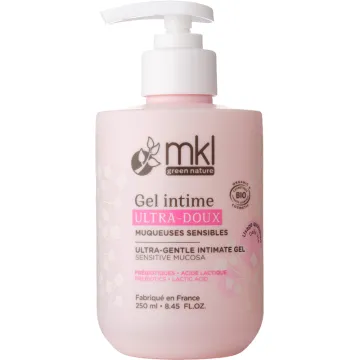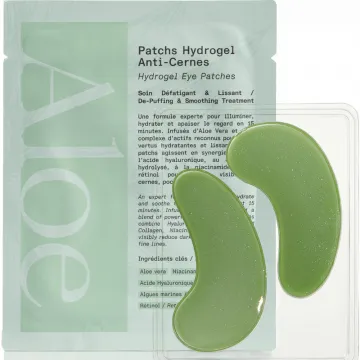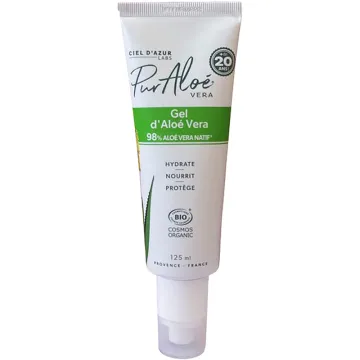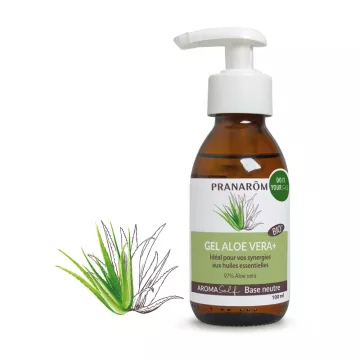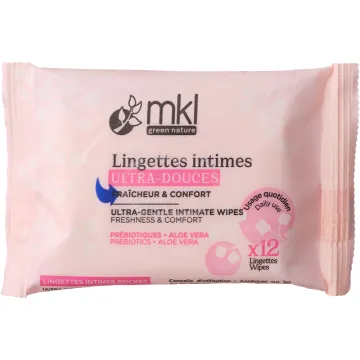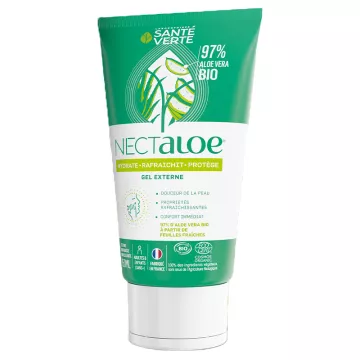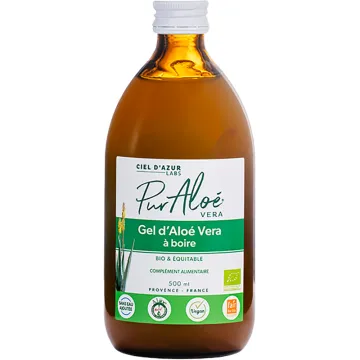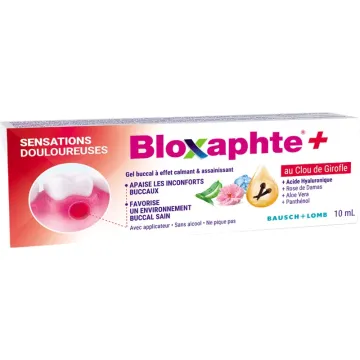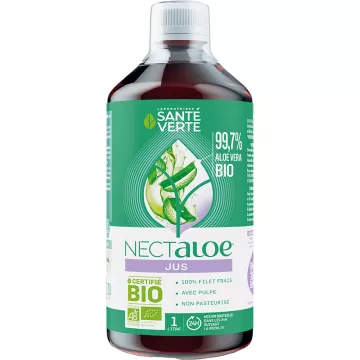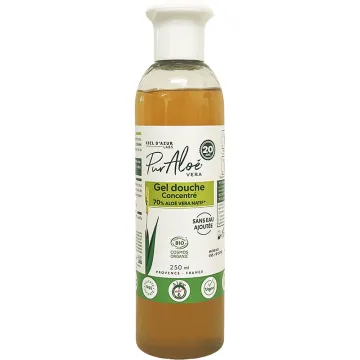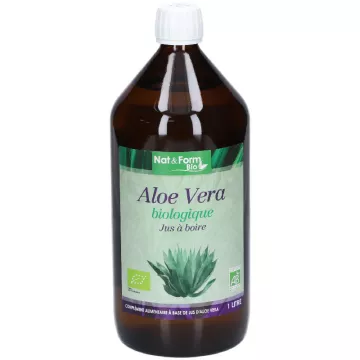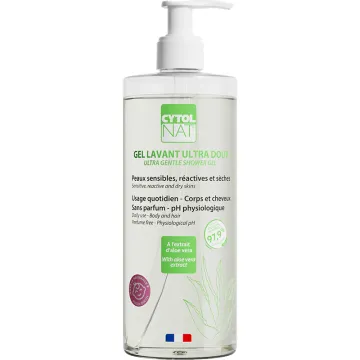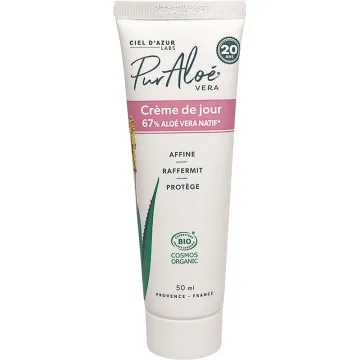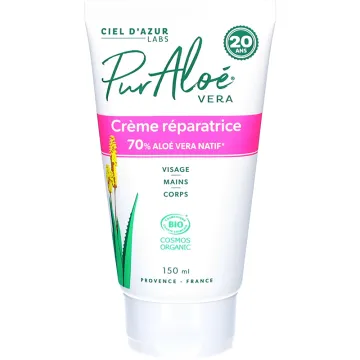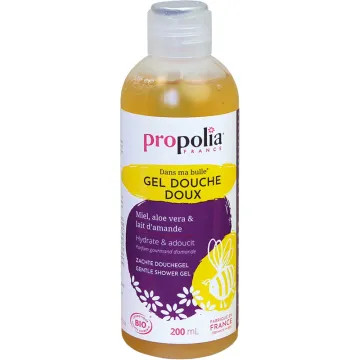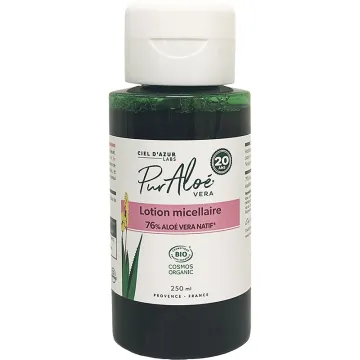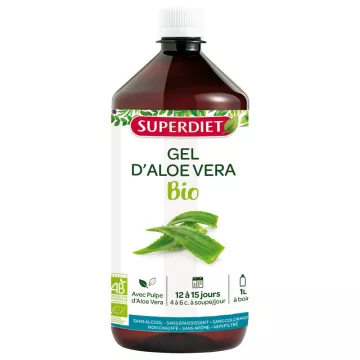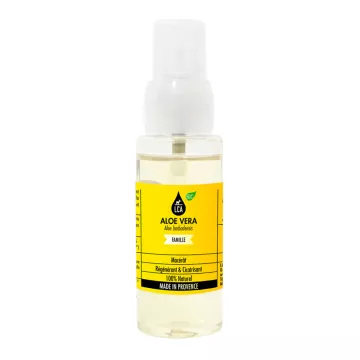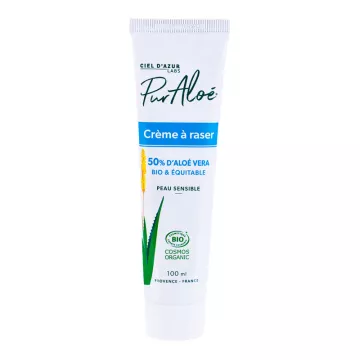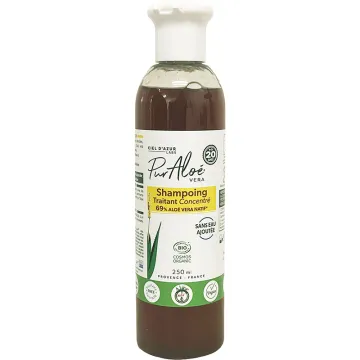
Aloe vera (Aloe barbadensis) is a succulent plant from which two distinct parts are harvested. The gel (the transparent parenchyma at the center of the leaf) is rich in polysaccharides, vitamins, minerals, and amino acids: this is the part used in cosmetics and food. The latex (the yellow layer beneath the outer skin) containsaloin, a compound with powerful laxative properties but which raises health concerns. Aloe vera gel is one of the most versatile active ingredients in natural cosmetics, particularly valued for soothing sensitive skin andproviding hydration. It can be used as a pure gel, incorporated into skincare products, or as filtered juice free of aloin for internal use.
For dry and sensitive skin, aloe vera gel is a go-to soothing and moisturizing treatment:
Its high polysaccharide content helps maintain hydration and supports the skin barrier’s health.
Aloe vera gel is the quintessential traditional after-sun treatment. Applied cool (ideally stored in the refrigerator) to skin heated by UV rays, it provides an immediate sensation of freshness and soothes the skin after sun exposure. For relief from mild, everyday superficial burns (such as minor sunburns), it helps soothe the skin. For men, it can be used as an aftershave to calm razor burn and irritation. Its refreshing, non-greasy formula makes it a versatile product for all instances of temporary skin discomfort. In the event of extensive or deep burns, consult a healthcare professional without applying any product.
For oily and acne-prone skin, aloe vera gel offers a gentle skincare solution. Its lightweight, non-comedogenic texture hydrates without weighing down the skin or clogging pores, making it suitable for combination to oily skin types that also need hydration. Applied as a pure gel in the morning under sunscreen, or in the evening after cleansing, it helps soothe skin prone to breakouts. It can be used as a complement to a targeted skincare routine, providing freshness and hydration without a greasy residue. For residual blemishes, regular use helps maintain skin comfort. Combine with an appropriate skincare routine and dermatological follow-up if blemishes are severe.
Aloe vera is a valuable ally in hair care, particularly for irritated and uncomfortable scalps. Applied as a gel to the scalp before shampooing, it provides a cooling sensation and comfort to scalps prone to itching and dandruff. For oily hair, its lightweight formula helps provide hydration without weighing the hair down or making it greasy. As a leave-in treatment, a small amount applied to the lengths adds shine and makes it easier to detangle dull hair. It can also be used as a mask mixed with a vegetable oil for damaged ends. Its gel texture is suitable for all hair types and serves as a natural base for many homemade hair care recipes.
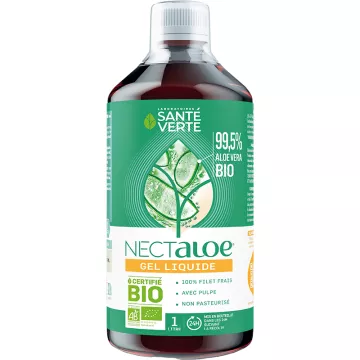
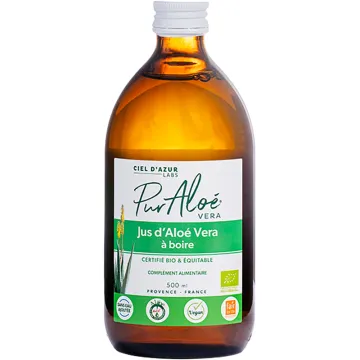
Aloe vera juice is consumed to support digestive comfort and overall well-being. An essential safety note: it must be decolorized and certified aloin-free. Aloin (found in the yellow latex) is a hydroxyanthracene compound with powerful laxative effects; its use in dietary supplements has been regulated by European regulations (EU Regulation 2021/468) due to health concerns. Filtered, aloin-free juice is traditionally used to support digestive comfort, typically at a dose of 30 to 50 ml per day before meals. Capsules and supplements provide a measured alternative. Internal use should be moderate and of short duration. Choose only products certified as aloin-free and consult a healthcare professional before beginning any internal treatment.
Aloe vera gel for external use is generally well tolerated, but some people may experience an allergic reaction. A patch test on the inner elbow for 48 hours is recommended before first use. Forinternal use, precautions are stricter: oral consumption is not recommended during pregnancy due to the risk of a laxative effect and contractions, and is not recommended while breastfeeding. External use during pregnancy is safe and can help soothe areas prone to stretch marks. People taking medication (diuretics, antidiabetics, heart medications) should seek medical advice before internal use. Excessive internal consumption may cause digestive problems (diarrhea, cramps). Never consume products containing aloin. Avoid contact with the eyes.
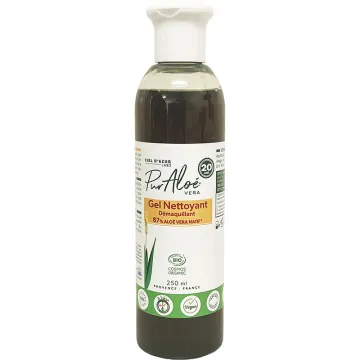
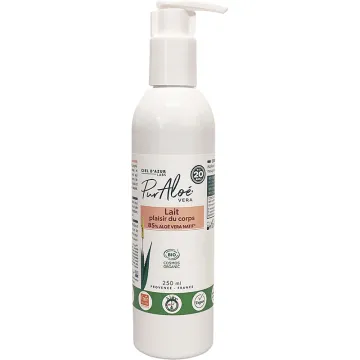
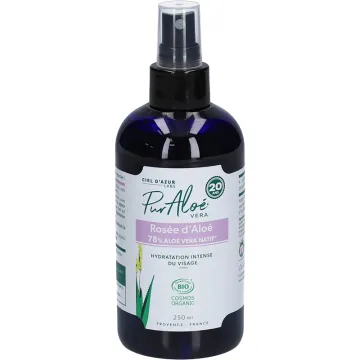
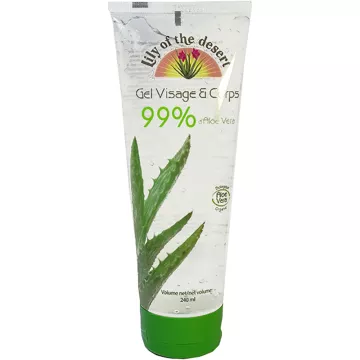
Several criteria help identify a high-quality product. Purity is essential: choose a gel that is at least 99% pure for optimal effectiveness (the INCI list must list aloe vera as the first ingredient).The absence of parabens, sulfates, and chemical additives helps prevent irritation on sensitive skin. Organic certification (Ecocert, Cosmos Organic) andcold-press extraction preserve heat-sensitive active ingredients. For juice intended for internal use, be sure to check for the label “aloin-free” or “decolorized,” which ensures safety. Opaque bottles protect the active ingredients from light. A high-quality gel has a fluid, transparent texture; a suspicious yellow tint may indicate the presence of latex.The origin and exact percentage of aloe vera must be clearly stated on the label.