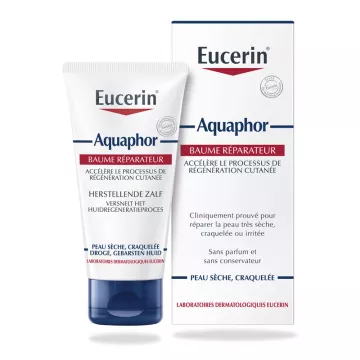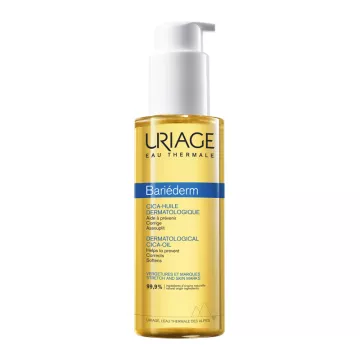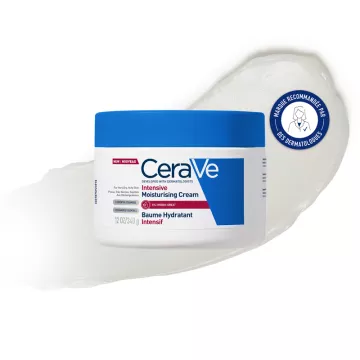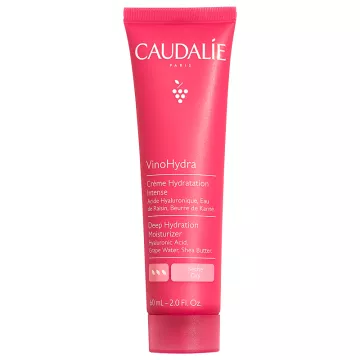

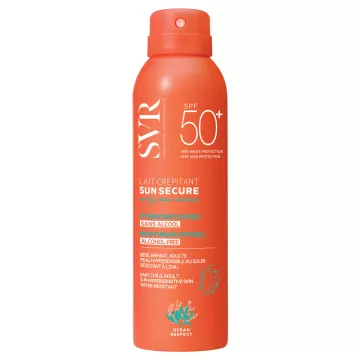
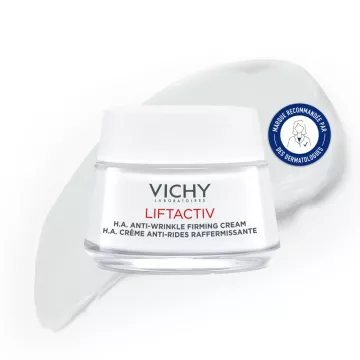
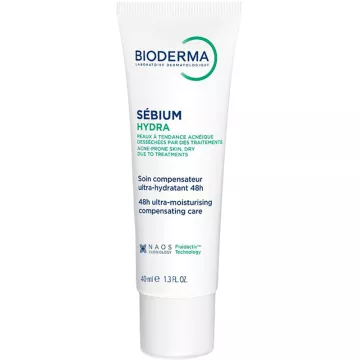

What is dry skin, and what are its main symptoms?
Dry skin is a skin type characterized by a lack of moisture. This lack of moisture makes the skin less elastic, rougher, and can sometimes cause itching. The main symptoms include a tight feeling, especially after cleansing, flaking, irritation, and a dull appearance. Dryness can be exacerbated by environmental factors such as cold weather or indoor heating.
What causes dry skin?
Several factors can contribute to dry skin, including:
How can you treat and care for dry skin?
To care for dry skin, it’s recommended to follow a suitable routine:
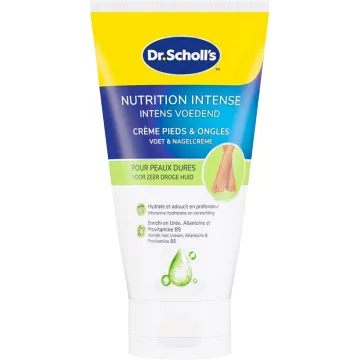
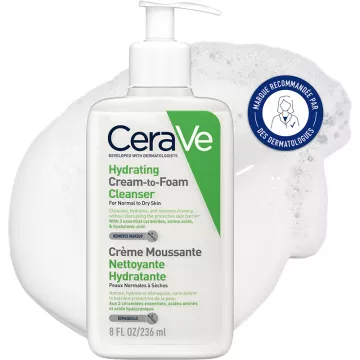
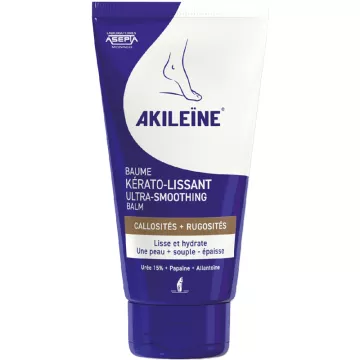
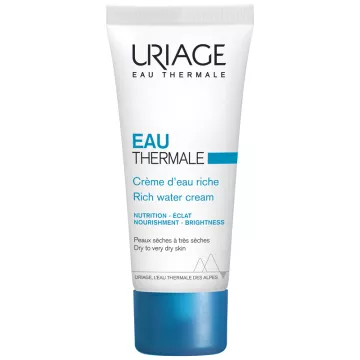
What products are recommended for dry skin?
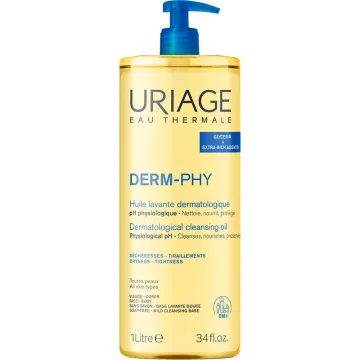
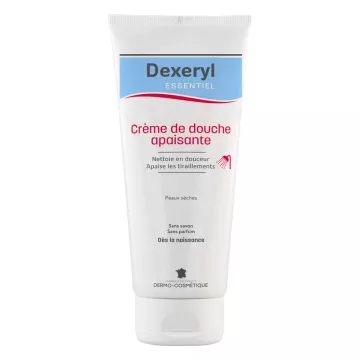
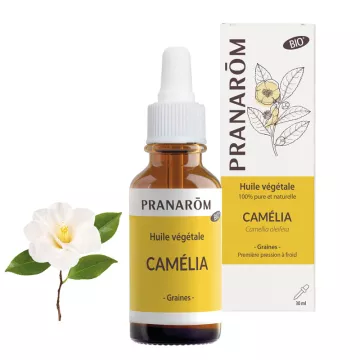
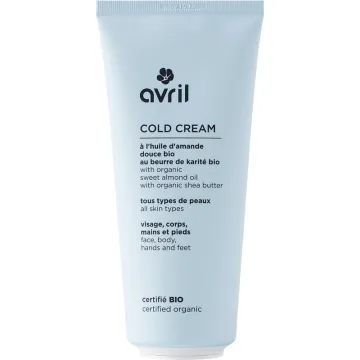
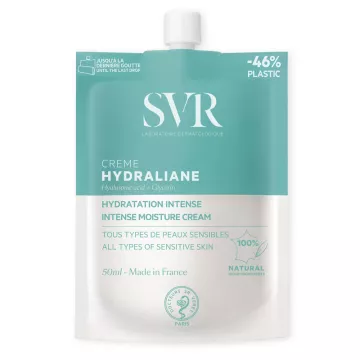
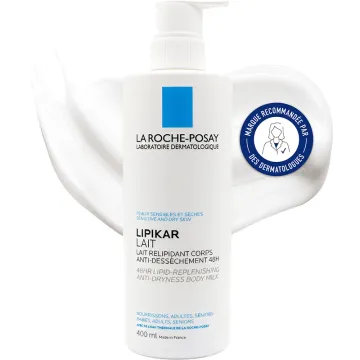
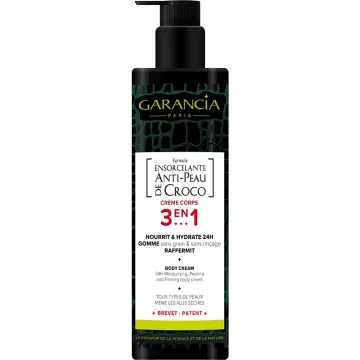
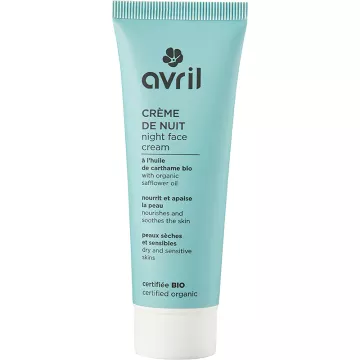
It’s essential to choose products specifically formulated for dry skin. Look for products enriched with:
What daily habits should you avoid?
To keep your skin healthy, avoid very hot baths, excessive use of indoor heating, and prolonged sun exposure without protection. Also avoid abrasive scrubs or repeated use of alcohol-based products, which can further irritate and dry out the skin.
How can diet affect the health of dry skin?
A diet rich in essential fatty acids, such as those found in fatty fish, nuts, and seeds, can help nourish the skin from the inside. It’s also important to drink enough water to keep the skin hydrated.
Can dry skin be permanently cured?
Dry skin is generally a chronic condition that can be managed but rarely cured permanently. The key is to adopt a suitable skincare routine and make certain changes to daily habits to keep the skin as hydrated as possible. This includes regularly using moisturizers, protecting the skin from extreme weather conditions, and eating a balanced diet rich in essential fatty acids.
Are humidifiers effective for people with dry skin?
Using a humidifier can be very beneficial for people with dry skin, especially during the winter months when heating systems tend to dry out the indoor air. By maintaining an adequate level of humidity in your living or working environment, you can help prevent skin dehydration and improve its overall appearance.
How does stress affect dry skin?
Stress can worsen dry skin. It disrupts the skin barrier and can reduce the skin’s ability to retain moisture, leading to increased dryness. Stress-reduction techniques, such as meditation, yoga, or regular physical activity, can help improve skin condition by reducing stress levels and improving blood circulation.
What role do alpha-hydroxy acids (AHAs) play in treating dry skin?
Alpha-hydroxy acids such as glycolic acid and lactic acid are beneficial for dry skin because they gently exfoliate the skin’s outermost layer, removing dead skin cells and promoting cell turnover. This can help improve skin texture and increase hydration. However, it’s important to use AHAs in moderation to avoid irritating already sensitive skin.
How important is pH in skincare products for dry skin?
The pH of skincare products is crucial for maintaining the skin’s natural balance. Products with a pH that is too high or too low can disrupt the skin barrier and increase dryness. For dry skin, it is recommended to use products with a pH close to that of the skin (around 5.5), which helps maintain the integrity of the skin barrier and prevent moisture loss.