What is oily skin?
Oily skin is a skin type characterized by excessive sebum production (hyperseborrhea). Characteristics:
- A constantshiny appearance across the entire face, particularly in the T-zone (forehead, nose, and chin)
- Visible or enlarged pores, particularly on the nose, cheeks, and chin
- Thickened texture, noticeable skin texture
- Feels oily to the touch a few hours after cleansing
- Prone to comedones: blackheads (open comedones), whiteheads (closed comedones)
- Frequent breakouts and blemishes
- Makeup that “runs” quickly
- Often oily scalp with hair that quickly becomes heavy after washing
- Possible hyperseborrhea on the back, chest, and shoulders
- Increased risk of acne and seborrheic dermatitis
- Benefit: Skin is better protected against aging, with less pronounced fine lines as you age
Identifying this profile allows youto tailor your skincare routine without falling into the trap of over-cleansing. Forexcess sebum and clogged pores in general, additional resources are available to help you.
What are the main causes?
Several factors stimulate sebum production:
- Hormonal changes: puberty, menstrual cycle, pregnancy, polycystic ovary syndrome, menopause, androgenic treatments
- Genetic predisposition and family history
- Unbalanced diet: high glycemic index, excessive dairy products, ultra-processed foods
- Chronic stress: elevated cortisol levels and activation of adrenal androgens
- Insufficient or poor-qualitysleep
- Hot and humid climate: stimulation of the sebaceous glands
- Intense exercise without proper hygiene after sweating
- Inappropriate skincare: harsh products causing a paradoxical rebound effect
- Triggering medications: corticosteroids, androgens, certain progestin-based contraceptives
- Comedogenic cosmetics: heavy mineral oils, certain occlusive fats
- Air pollution and oxidative stress
- Smoking (Tobacco Info Service: 3989)
- Associateddermatological conditions: seborrheic dermatitis, acne
Identifying modifiable factors guides the treatment strategy.
How can you control shine?
There are several ways to manage excess oil:
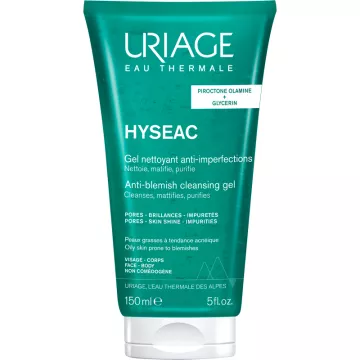
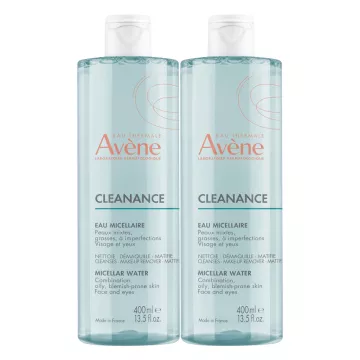
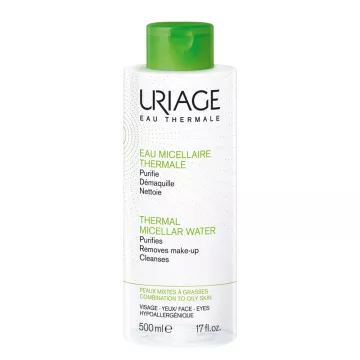
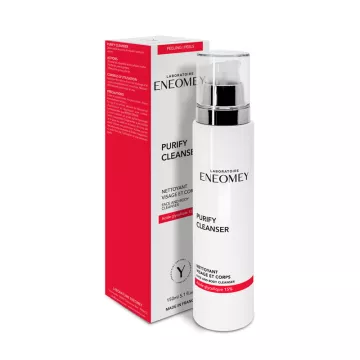
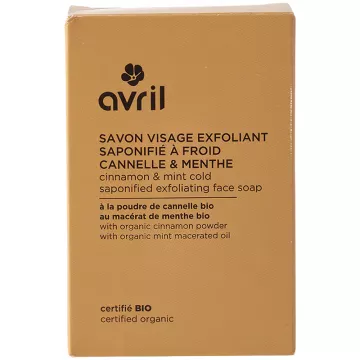
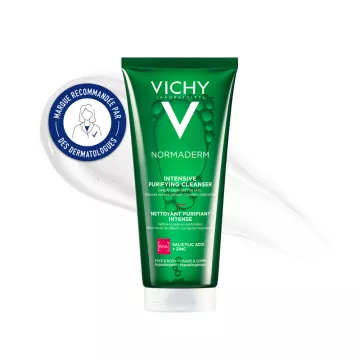
- Gently cleanse morning and night with a product suitable for oily skin (gels, syndets, non-irritating micellar waters)
- Avoid excessive scrubbing, which causes a paradoxical rebound effect
- Uselukewarm water when washing (not hot)
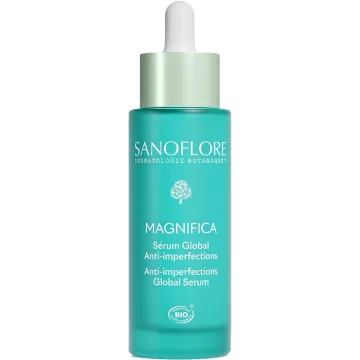
- Regulating serums containing niacinamide or azelaic acid
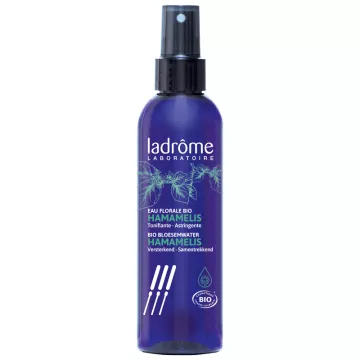
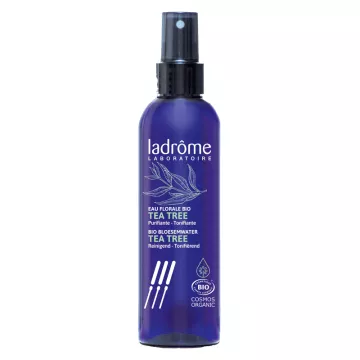
- Alcohol-free toners with witch hazel or salicylic acid
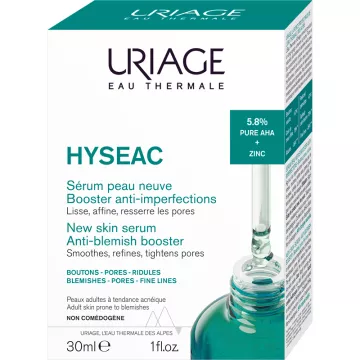
- Gentle chemical exfoliation 1 to 2 times per week at most (salicylic acid, AHAs)
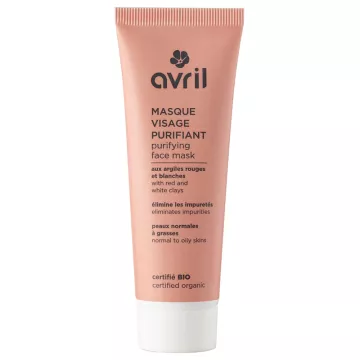
- Absorbent masks with green or white clay 1 to 2 times a week
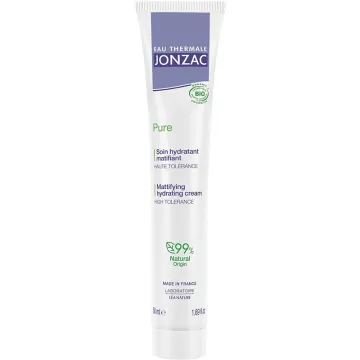
- Light, non-comedogenic moisturizers (lotions, gels)
- Thermal water spray or mattifying toner throughout the day
- Occasional use ofmattifying blotting paper to absorb shine without disturbing makeup
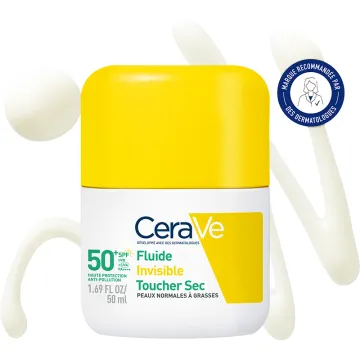
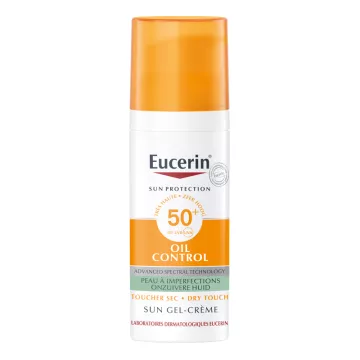
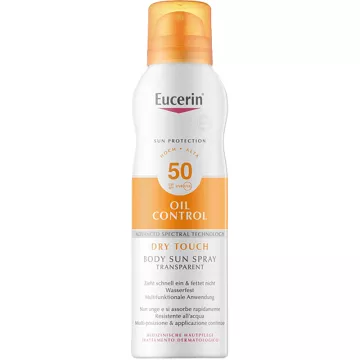
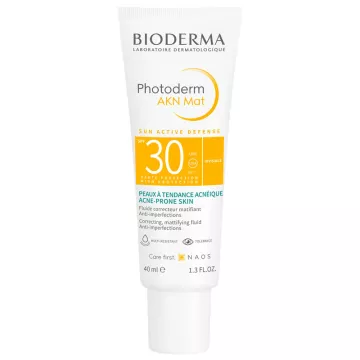
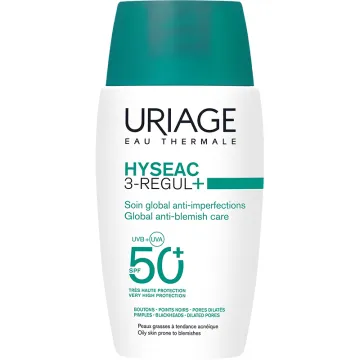
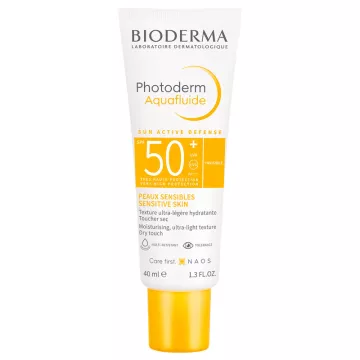
- Sunscreen SPF 30 to 50+ with a non-comedogenic mattifying formula
- Remove makeup thoroughly every night
- Makeup brushes cleaned regularly
- Pillowcase changed 1 to 2 times a week
Our natural antioxidants section offers supplements to support a balanced diet.
Which cosmetic active ingredients should you prioritize?
Several well-documented ingredients help regulate sebum production:
- Niacinamide (vitamin B3): regulates sebum production, soothes redness, is well-tolerated, and improves the appearance of pores
- Salicylic acid (BHA): a lipophilic exfoliant that unclogs pores
- Zinc (gluconate, PCA): regulates sebum production
- Azelaic acid: anti-inflammatory, anti-seborrheic; considered one of the safest ingredients, even during pregnancy, according to medical advice
- AHAs (glycolic, lactic, and mandelic acids): gentle exfoliants (photosensitizing)
- Green or white clay: absorbent when used as an occasional mask
- Activated vegetable charcoal: adsorbent in specific formulations
- White willow extract: a natural source of salicylic acid
- Witch hazel extract: toning and mild astringent
- Green tea: antioxidant and sebum-regulating polyphenols
- Cosmetic retinol: promotes cell renewal (for evening use only; photosensitizing; contraindicated during pregnancy and breastfeeding)
- Bakuchiol: plant-based alternative to retinol
- Light, non-comedogenic moisturizers: hyaluronic acid, glycerin, plant-based squalane
- PHAs (gluconolactone, lactobionic acid): ultra-gentle exfoliants for sensitive and oily skin
Gradually introducing one active ingredient at a time allows you to check for tolerance.
What impact does diet have?
Diet directly influences sebum production:
Foods to limit:
- High glycemic index: simple sugars, pastries, desserts, sodas, white bread, French fries (promote insulin spikes and excess sebum production)
- Excessivedairy products: skim milk in particular
- Whey protein and commercially produced high-protein supplements
- Ultra-processed foods and fast food
- Excess saturated and transfats
- Excessivealcohol consumption
Foods to prioritize:
- Colorful fruits and vegetables —5 servings per day for a variety of vitamins and antioxidants
- Green vegetables (spinach, broccoli, kale, lamb’s lettuce): folate, vitamin K
- Legumes and whole grains: moderate glycemic index, fiber
- Fatty fish twice a week (salmon, sardines, mackerel): anti-inflammatory omega-3 EPA and DHA
- Nuts and seeds (walnuts, almonds, flaxseeds): vitamin E, essential fatty acids
- Avocado, olive oil, and canola oil: high-quality fats
- Zinc-rich foods (oysters, meats, legumes): support healthy skin
- Vitamin A (carotenoids: carrots, sweet potatoes, mangoes, apricots)
- Vitamin C (citrus fruits, kiwis, bell peppers, black currants): antioxidant
- Green tea: antioxidant polyphenols
- Hydration: 1.5 to 2 L of water per day
- Dietary probiotics (plain yogurt, kefir, lacto-fermented vegetables)
A balanced diet complements topical skincare for better long-term results.
Can you wear makeup if you have oily skin?
Makeup is compatible with oily skin under certain conditions:
Recommended products:
- Non-comedogenic and non-acnegenicproducts (labels visible on the packaging)
- Water-based formulas are preferable to heavy, oil-based formulations
- Mattifying liquid foundations or mineral powders
- Mattifying primers that blur pores, made with lightweight silicones
- Lightweight, non-comedogenicBB or CC creams
- Mineral-basedmattifying powders for the finishing touch
- Mattifying setting sprays for the finishing touch
- Antibacterial concealers containing salicylic acid or zinc
Best application practices:
- Prepared skin: cleanse, lightly moisturize, and apply sunscreen beforehand
- Apply in thin layers rather than thick ones
- Brushes and sponges should be clean and disinfected regularly
- Avoid applying multiple layers of different products
- Thorough makeup removal at the end of the day in two steps (makeup remover oil followed by a gentle cleanser)
- Replace products as recommended (follow the “Use by” date)
- Conducta 48-hourtolerance test beforehand
- Useblotting paper throughout the day to absorb oil without reapplying makeup
Makeup is never the cause of breakouts on its own: it’s the quality of the products, how well they’re suited to your skin, and thorough removal that make the difference.
How often should you cleanse?
The frequency of cleansing is crucial for maintaining balance:
- Twice a day, morning and night: the ideal recommended frequency
- In the morning: removes overnight sebum and prepares the skin for daytime skincare
- In the evening: removes accumulated sebum, pollution, makeup, and sunscreen
- A two-step makeup removal routine in the evening if you’re wearing makeup or sunscreen:
- Makeup-removing oil or balm to dissolve oils
- A gentle water-based cleanser to remove residue and impurities
- After heavy sweating (exercise, extreme heat): Quick rinse with lukewarm water
Avoid:
- Washing too frequently (more than twice a day): stimulates compensatory sebum production
- Water that is too hot: irritates and weakens the skin barrier
- Vigorous rubbing when drying
- Harsh detergents or alkaline soaps
- Lotions containinghigh-proof alcohol
- Daily use ofelectric cleansing brushes (use in moderation, 1 to 2 times a week at most)
Over-cleansing is the most common mistake: the skin compensates by producing more sebum (rebound effect).
Which face masks are beneficial?
Face masks allow for effective, targeted treatment:
Absorbent masks (1 to 2 times a week):
- Green clay: a powerful absorbent for very oily areas
- White clay (kaolin): a gentler absorbent for sensitive skin
- Pink clay: balancing
- Rhassoul clay: purifying and gentle
- Activated vegetable charcoal: adsorbs impurities and excess sebum
Chemical exfoliating masks:
- Salicylic acid in a rinse-off mask: unclogs pores
- Glycolic acid or gentle cosmetic peels (photosensitizing)
- Fruit enzymes (papain, bromelain): gentle enzymatic exfoliation
Alternating moisturizing and soothing masks:
- Hyaluronic acid: light moisturizer
- Aloe vera: soothing and moisturizing
- Niacinamide: balancing
- Centella asiatica: soothing
- Thermal waters in sheet masks: soothing
Best practices:
- Use1 to 2 times a week at most, alternating between purifying and moisturizing products
- Apply to clean, makeup-freeskin
- Follow the recommendedapplication time (do not let clay masks dry completely)
- Rinse with lukewarm water
- Follow up witha moisturizer after the mask
- Performa 48-hourpatch test beforehand
Multi-masking (treating different areas differently) is particularly useful.
What kind of sun protection should you use?
Sun protection is essential for oily skin:
Benefits:
- Prevention of photoaging
- Protection against UV-inducedworsening of enlarged pores and seborrhea
- Prevents post-inflammatory hyperpigmentation from acne scars
- Reduces the post-tanningrebound effect (post-vacation acne)
- Preservation of the skin barrier’s integrity
- Compatibility with photosensitizing active ingredients (AHAs, BHAs, retinol)
Selection criteria:
- Broad-spectrumSPF 30 to 50+ (UVA + UVB)
- Fluid, gel, gel-cream, or light emulsion texture
- Mattifying formulation
- Non-comedogenic and oil-freeformulation
- Mineral filters (zinc oxide, titanium dioxide), which are often better tolerated by blemish-prone skin
- Modern, stable, and well-toleratedchemical filters
- Tinted, mattifyingsun protection as an alternative to foundation
- Synergisticantioxidants (vitamin E, polyphenols)
Best application practices:
- 2 mg/cm² (equivalent to one teaspoon for the face)
- Apply 15–20 minutes before sun exposure
- Reapply every 2 hours during intense sun exposure
- Apply to the neck, ears, and décolletage —areas often overlooked
- Use daily, winter and summer
- Strictly avoid tanning beds (classified as a Group 1 carcinogen by the IARC)
Our high-protection sunscreen line offers products suitable for oily skin.
How to treat acne scars?
Acne scars on oily skin require a gradual approach:
Types of marks and scars:
- Post-inflammatory hyperpigmentation (PIH): brown or dark marks, common on medium to dark skin tones
- Post-inflammatory erythema (PIE): persistent red or pink marks
- Atrophic scars: ice-pick, boxcar, and rolling
- Hypertrophic raisedscars
- Keloid scars: raised tissue extending beyond the original lesion
Useful cosmetic treatments:
- Azelaic acid: for pigmented marks (safe even during pregnancy, according to medical advice)
- Niacinamide: gentle skin-lightening and soothing
- Vitamin C: antioxidant, reduces the appearance of marks
- Cosmetic retinol: promotes cell turnover (use in the evening; contraindicated during pregnancy and breastfeeding; photosensitizing)
- Salicylic acid (BHA ): targets dark spots and unclogs pores
- AHAs as chemical exfoliants (photosensitizing)
- Strict sun protection with SPF 30 to 50+ is essential
Available medical procedures:
- Superficial to mediumchemical peels performed in a medical office
- Microdermabrasion in the clinic
- Microneedling with or without radiofrequency
- Ablative or non-ablativefractional lasers
- Subcision for wavy scars
- Hyaluronic acid injections to fill certain atrophic scars
- Punch excision for ice-pick scars
- Intense pulsed light (IPL) for erythema and hyperpigmentation
- LED phototherapy as a complementary treatment
A dermatology consultation is recommended to evaluate personalized treatment options. The earlier active acne is treated, the fewer permanent scars will form. For acne marks and acne breakouts in general, a consistent, long-term strategy is essential.
What cosmetic mistakes should you avoid?
Several common mistakes can perpetuate or worsen seborrhea:
- Over-cleansing: causes a paradoxical rebound effect (compensatory sebum overproduction)
- Excessive stripping with alkaline soaps or strong alcohols
- Avoiding moisturization under the pretext of having oily skin (a major mistake)
- Usingwater that’s too hot when washing (opt for lukewarm instead)
- Aggressive mechanical exfoliation with coarse grains
- Simultaneoususe of multiple irritating active ingredients (retinol + AHA + BHA + concentrated vitamin C)
- Comedogenic products: heavy mineral oils, certain occlusive oils
- Not removing makeup at the end of the day
- Brushes and sponges not cleaned regularly
- Manually squeezing blackheads and pimples (risk of scarring)
- Neglected or inadequatesun protection
- Restrictive diets without medical advice
- Self-medication with topical corticosteroids
- Homemade remedies with high irritant potential (lemon, vinegar, baking soda)
- Frequent changes to skincare routines without allowing time to assess their effects (at least 4 to 6 weeks)
Gentleness and consistency are more important than occasional aggressive treatments.Moisturizing is essential even for oily skin: choose lightweight, non-comedogenic formulas. Your pharmacist remains a valuable resource for helping you establish a suitable skincare routine and, in cases of severe seborrhea or active acne, referring you to an appropriate dermatologist.