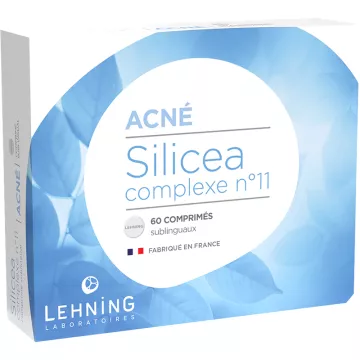
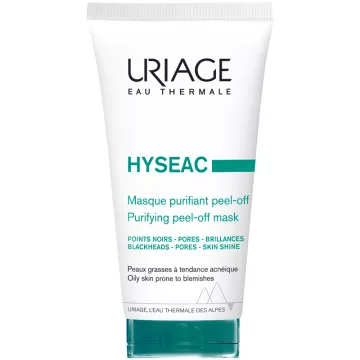
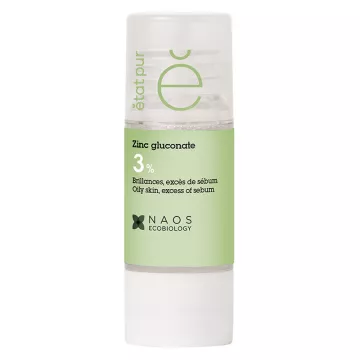
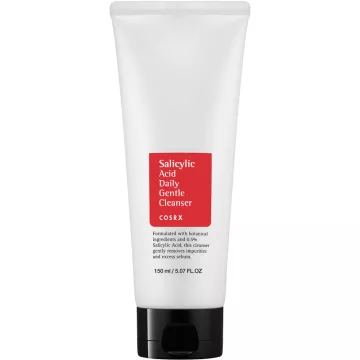
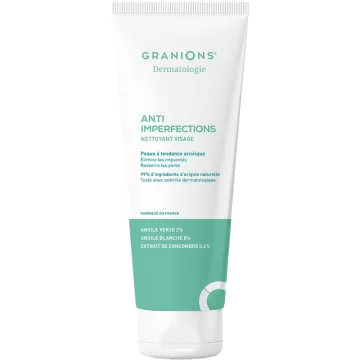
Excess sebum, or hyperseborrhea, refers to the overproduction of this oily substance naturally secreted by the sebaceous glands to protect and moisturize the skin. It manifests as a shiny appearance on the face a few hours after cleansing, pores that appear more prominent, and a thickened skin texture characteristic of oily skin, particularly in the T-zone (forehead, nose, chin), where sebaceous glands are most concentrated.
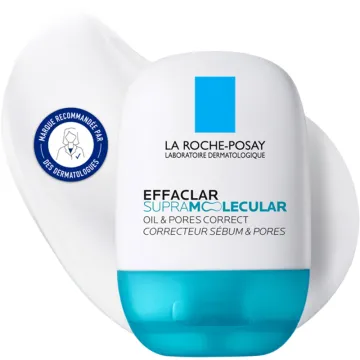
Several factors influence sebum production: hormonal fluctuations (puberty, menstrual cycle, stress), genetic predisposition, overly aggressive cleansing—which causes the skin to produce more sebum in response—and certain climatic factors such as heat and humidity. Niacinamide specifically targets these local hormonal and inflammatory factors rather than simply drying out the skin—an approach that’s more sustainable than harsh exfoliating products, which generally make the problem worse.
The distribution of excess sebum varies depending on skin type: oily skin exhibits diffuse hyperseborrhea across the entire face, while combination skin concentrates excess sebum in the T-zone while keeping the cheeks normal to dry, which requires a tailored routine based on facial zones rather than a one-size-fits-all treatment.
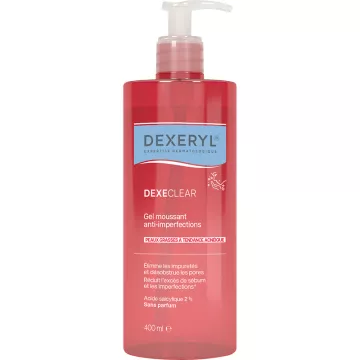
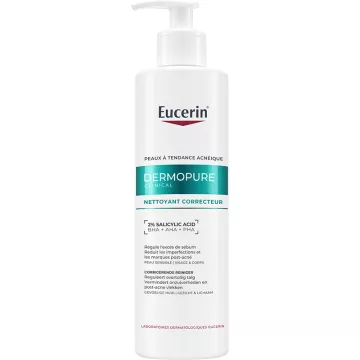
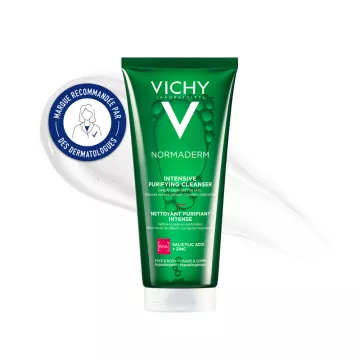
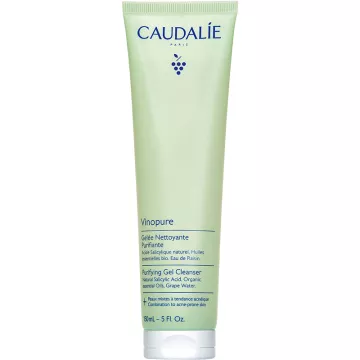
Salicylic acid, which is fat-soluble, penetrates the hair follicle to deeply exfoliate and limit the buildup of oxidized sebum—the cause of the dull complexion often seen in oily skin—as a complement to a soothing, gentle skincare routine.
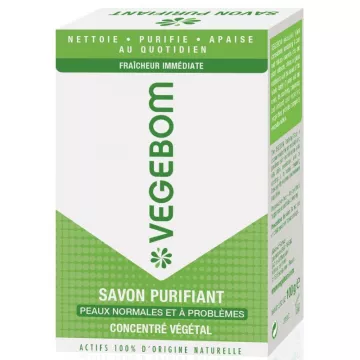
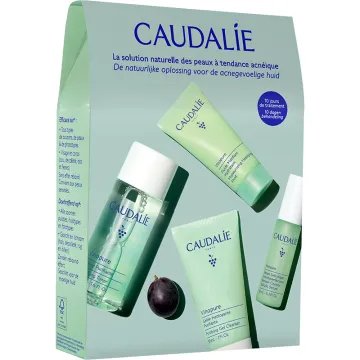
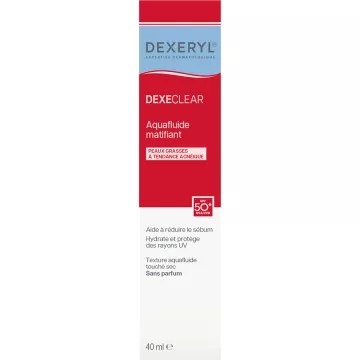
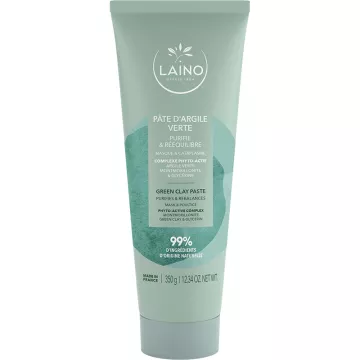
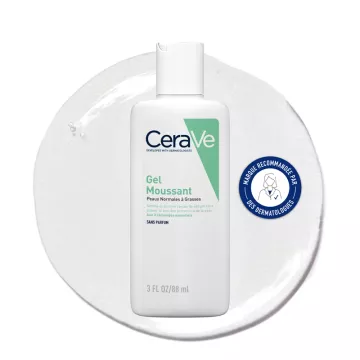
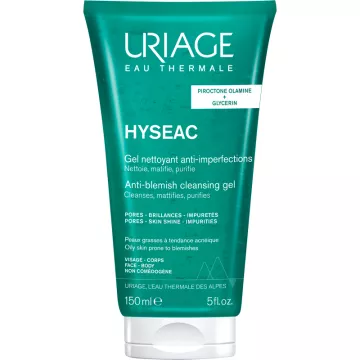
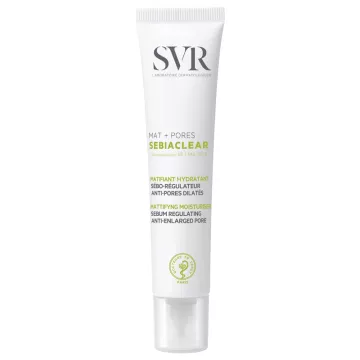
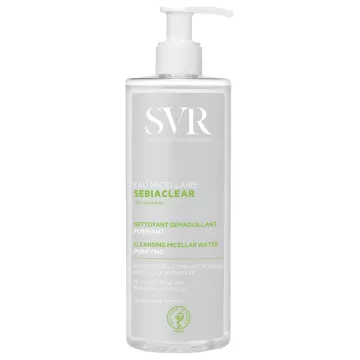
A suitable routine combines gentle cleansing twice a day (never more, as this risks stimulating compensatory sebum production), light, non-comedogenic moisturization—even for oily skin—and aclay mask once or twice a week to absorb excess sebum from the skin’s surface without drying out the skin deep down.
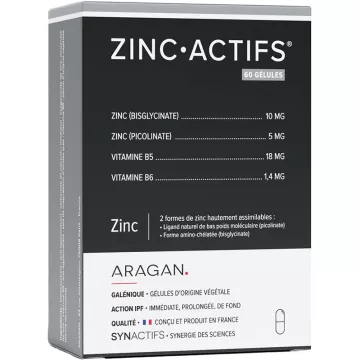
Over-cleansing the skin, using drying alcohol-based products, or completely skipping moisturizer out of fear of increasing shine are common mistakes that paradoxically stimulate compensatory sebum production. Taking oral zinc supplements for a few weeks can complement a topical skincare routine by helping to regulate the inflammatory processes associated with excess sebum, without replacing local treatments.