Combination skin is the most common skin type—it combines two different conditions on the same face:
This imbalance results from an uneven distribution of sebaceous glands—which are more numerous and active in the T-zone. A common mistake is using a product that’s too mattifying all over the face, which dries out the cheeks and triggers an excess of sebum as a compensatory response. Tightening the pores in the T-zone is the most common skincare goal for combination skin.
Niacinamide (vitamin B3, 4–10%) and hyaluronic acid work together in a way that’s particularly well-suited for combination skin. Niacinamide regulates sebum production in the T-zone (by inhibiting the transfer of lipids from sebocytes to the skin’s surface), minimizes the appearance of pores, and reduces minor blemishes. Hyaluronic acid hydrates dry areas (cheeks, temples) without weighing down the T-zone—its water-based texture provides hydration without leaving an occlusive film or a greasy feeling. Lightweight vitamin C (a water-based formula with a fluid texture) rounds out this duo by adding radiance and antioxidant protection without weighing down the T-zone.
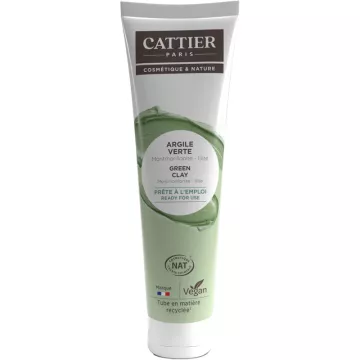
A routine for combination skin can be either “dual-zone” or “compromised.” The dual-zone approach involves applying a mattifying product to the T-zone (light gel, zinc or niacinamide serum) and a richer product to the cheeks (light cream, hydrating serum). The “compromised” approach uses a single non-comedogenic oil-control gel-cream on the entire face. Applying an activated charcoal or green clay mask targeted at the T-zone 1 to 2 times a week unclogs pores and absorbs excess sebum without drying out the cheeks. A zinc serum (which regulates sebum in the T-zone) is very well tolerated by dry areas.
PHAs (polyhydroxy acids—gluconolactone, lactobionic acid) are the most suitable exfoliants for combination skin—their large molecules exfoliate the T-zone without irritating or drying out the already delicate cheeks. Salicylic acid (BHA) at low concentrations is effective on the T-zone for unclogging pores but should be avoided on dry cheeks. Enzymatic exfoliants (papain, bromelain), applied as a uniform mask once a week, gently exfoliate all areas. Exfoliating the T-zone too frequently stimulates sebum production through a rebound effect—limit use to once or twice a week at most.
Makeup for combination skin should be non-comedogenic, oil-free, and provide a matte finish on the T-zone. Matte-finish compacts are particularly suitable—they mattify the T-zone while providing light coverage on the cheeks. Sunscreen for combination skin should have a lightweight, non-comedogenic texture—non-greasy gel-fluid or gel-cream formulas are preferable to thick creams. A vitamin C serum in the morning and regular gentle exfoliation help address the lack of radiance often seen in combination skin (caused by a buildup of sebum and dead skin cells in the T-zone).