For beginners, just a few key products are enough to build a simple and effective routine. There’s no need to invest in a large arsenal right away: a small number of well-chosen products that you know how to use will give you better results than a well-stocked makeup bag that’s misused.
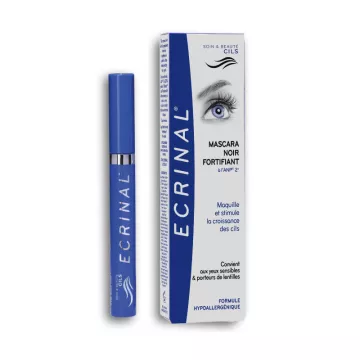
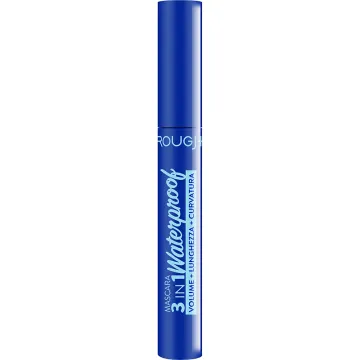
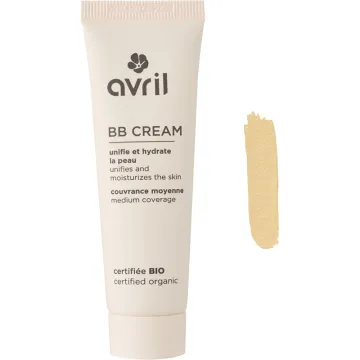
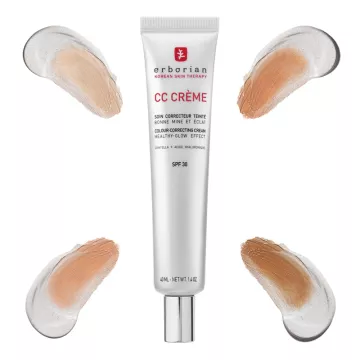
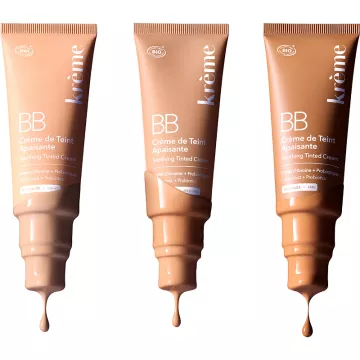
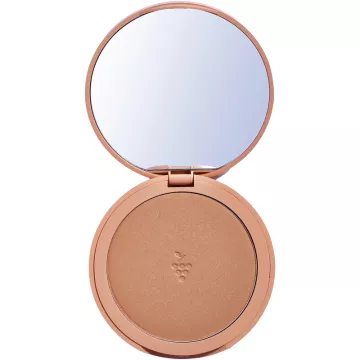
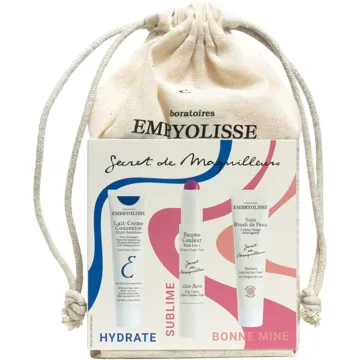
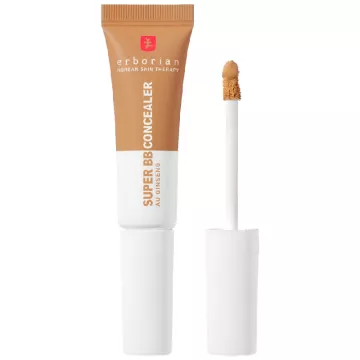
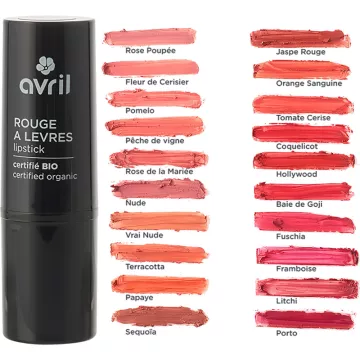
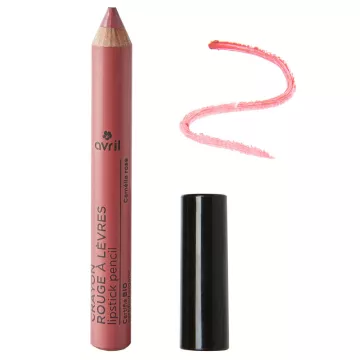
The starter kit includes a makeup primer to prepare the skin and improve staying power; a foundation or BB cream to even out the complexion and minimize imperfections; a targeted concealer for dark circles and redness, from the concealer selection; a lightweight powder to set the makeup and reduce shine; a blush to brighten the face, from the blush line; mascara to open up the eyes, from the mascara selection; and a lipstick or tinted balm to complete the look, from the lipstick selection. The makeup category includes all the essential products.
Choosing a foundation depends on two complementary factors: skin type and shade. An ill-suited product will result in an unflattering finish, even with flawless application.
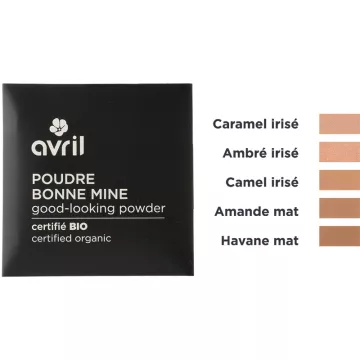
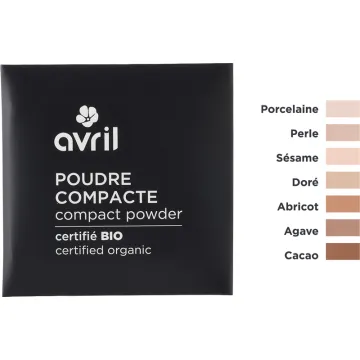
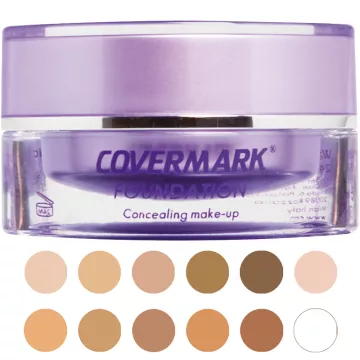
For oily skin, opt for matte-finish, non-comedogenic foundations in liquid or compact powder formulas. For dry skin, opt for hydrating and luminous formulas—often enriched with hyaluronic acid or glycerin—with a satin finish. For combination skin, look for a balancing product that mattifies the T-zone while hydrating the cheeks. When choosing a shade, be sure to test the product along the jawline or on the upper neck in natural daylight—not on the wrist or the back of the hand, where the skin tone differs. A luminous or radiant complexion depends as much on the foundation itself as on the application technique.
Eye makeup defines the eyes and gives your look its personality. Classic techniques range from the most natural to the most dramatic, depending on the desired effect and the occasion.
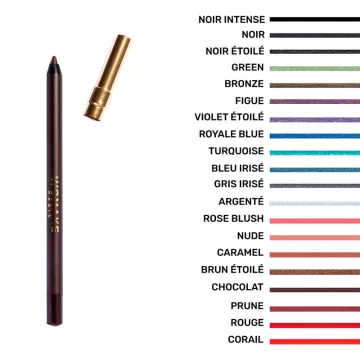
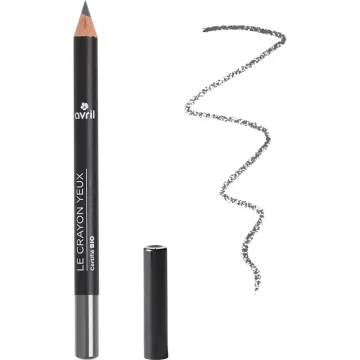
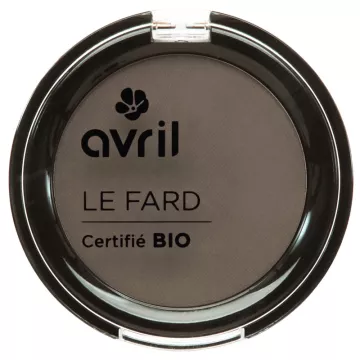
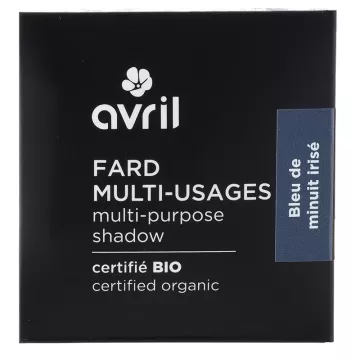
An eyeshadow primer intensifies the color of the eyeshadow and improves its staying power.Eyeliner is applied close to the lash line to define the eyes—as a thin line for a subtle effect or as a more dramatic cat-eye. Eyeshadow can be applied in neutral colors for a natural effect or in saturated shades for a more dramatic look: apply with a flat brush to the upper eyelid, then blend with a dome-shaped brush in the crease. Apply mascara in a zigzag motion from the roots to the tips to separate the lashes without clumping. The eye area requires gentle, specialized care. Using eye makeup remover at the end of the day is an essential part of your eye care routine.
Long-lasting makeup relies less on “miracle” products than on a series of technical steps and proper skin preparation. Clean, moisturized, and well-prepared skin holds makeup longer than untreated skin, regardless of the products used.
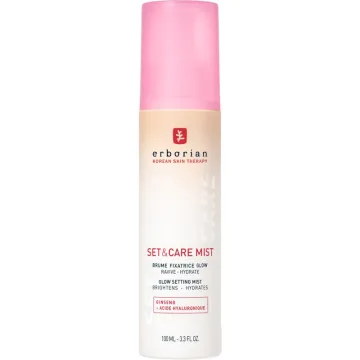
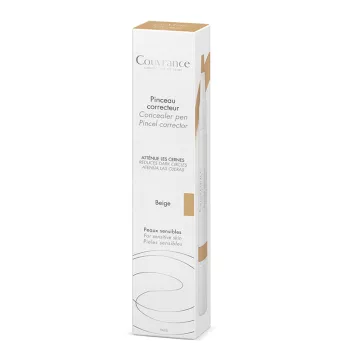
Start by applying a primer suited to your skin type: mattifying for oily skin, moisturizing for dry skin, and balancing for combination skin. Next, opt for thin, layered applications (the layering technique) rather than a single thick layer, setting each step with a lightweight powder such as a mattifying powder. A setting spray as a finishing touch helps seal everything in and minimize the powdery look. For touch-ups throughout the day, keep a compact powder and a concealer stick on hand to target the areas that need the most attention (under-eye circles, T-zone, sides of the nose). Under-eye circles require a specific treatment before applying makeup for optimal staying power.
Makeup trends evolve with the seasons and collections, without necessarily calling into question the technical fundamentals. A few trends have stood out recently.
The“dewy skin” trend highlights a luminous, hydrated, and natural finish—a departure from the ultra-matte finish of previous years—and emphasizes a fresh complexion and skin-enhancing primers. Bold eye looks are making a strong comeback with saturated colors, graphic eyeliners, and monochromatic eye looks. Lips, highlighted with satin or matte finishes, are emerging as a focal point of the face. The trend toward quick routines and “no-makeup makeup” is also gaining traction, with a few multifunctional products designed to save time without sacrificing precision. The selection of organic makeup meets the growing demand for more natural and certified formulations.
Makeup brushes determine the precision and finish of application at least as much as the products themselves. It’s better to invest in a few high-quality brushes than in a large collection of low-end ones.
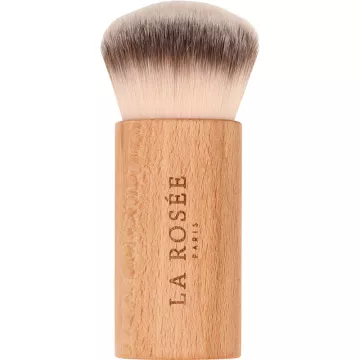
For foundation, choose a flat brush or a kabuki brush for full coverage, or a duo-fiber brush for a light, “airbrush-like” finish. For eyes, use a flat brush to apply eyeshadow to the eyelid, a domed blending brush to soften transitions, and a precision brush for the lash line. For blush and contouring, opt for an angled brush to sculpt the cheekbones and jawline, and a larger, round brush for a soft application of blush on the upper cheeks. Synthetic bristles work well with all products (liquids, creams, powders), while natural bristles are still preferred for powders. Regular care (weekly washing with mild soap) extends the life of your brushes and limits bacterial growth, which can cause skin blemishes.
Makeup removal is the most important step in your skincare routine—even more so than the serums and creams applied afterward. A rushed makeup removal process compromises the effectiveness of the rest of your routine and can lead to breakouts.
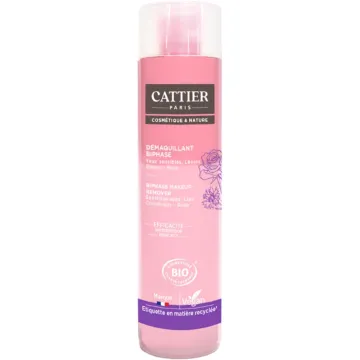
The double-cleansing method has proven effective: first use an oil, balm, or two-phase makeup remover to dissolve pigments, sunscreen, and waterproof products, then follow up with a gentle cleanser (gel, foam, milk, micellar water) suited to your skin type to remove any remaining residue. Pay special attention to the eyelids and lashes using a specific eye makeup remover, without rubbing aggressively. Finish bymoisturizing the skin and applying an eye cream to maintain skin comfort. The full range is available in the makeup removers category. The selection of natural makeup removers appeals to users seeking clean formulas.
A few recurring mistakes often prevent you from achieving the desired look, even with good products. Identifying them allows you to quickly improve the quality of your finish.
The first mistake is choosing the wrong foundation shade: always test it in natural light on your jawline, not under fluorescent lights in a store. Excess powder creates an unflattering “cakey” effect; apply powder only to shiny areas (the T-zone) and in very thin layers.Failing to blend (blush, contour, eyeshadow) results in a harsh, artificial look; always soften the edges with a clean brush.Failing toeven out your complexion before applying color undermines the entire result. Finally, neglecting your eyebrows and failing to remove your makeup at night compromises the overall harmony of your face and your skin’s health in the medium term.
Sensitive skin requires carefully selected formulations that are both well-tolerated and effective. A few simple criteria can help you identify suitable products.
Opt for products with short ingredient lists and clear INCI listings, free of added fragrance and ethanol, and containing few known allergens. The phrase“dermatologically tested” indicates a minimum level of skin safety but does not guarantee the absence of individual reactions. The label“hypoallergenic” means that the product has been formulated to reduce the risk of allergies; however, it does not guarantee zero reactions. A preliminary skin test in the crook of the elbow for 48 hours is still recommended before using a new product, especially for those with known atopic skin conditions. If a reaction occurs (redness, itching, burning sensation), stop use immediately and consult a dermatologist if symptoms persist.
Embracing trends without losing your individuality is the balance most women seek. The golden rule: incorporate what flatters you and avoid what takes away from your natural beauty.
Three principles make this balance easier to achieve. Prioritize what brings out your best features: a trendy color that doesn’t flatter your skin tone or the shape of your eyes won’t do you any favors. Experiment in moderation by incorporating one new element at a time (a new shade of lipstick, a new eye look), to see how it actually looks before committing. Blend classic and trendy by pairing a bold, trendy element with a tried-and-true staple, rather than changing everything at once. For dry lips, remember that a beautiful red lipstick lasts longer on lips that have been prepped with a lip balm and regular care.