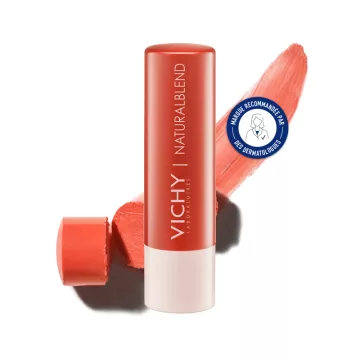
What are the different lipstick finishes, and how do you choose?
Lipstick is both a makeup product and a skincare item—the best formulas combine intense pigmentation with nourishing ingredients to prevent the lips from drying out, as they naturally lack sebaceous glands. Choosing the finish is the first decision to make, even before selecting a color. Moisturizing lip balms and lip repair products provide the ideal skincare base to pair with lipstick.
- Matte: a non-shiny finish—intense, concentrated pigmentation—long-lasting wear (6 to 12 hours) — does not require frequent touch-ups — drier formula due to low oil content — high-quality matte formulas compensate by adding shea butter or vitamin E — avoid if lips are already dry or chapped without prior preparation
- Glossy (gloss/satin): wet and luminous effect — visually plumping (reflected light gives the impression of fuller lips) — more moisturizing formula thanks to oils (jojoba, castor) — shorter wear (2 to 4 hours) — requires touch-ups after meals
- Satin and creamy: a compromise between matte and glossy — subtle sheen without a glossy effect — comfortable formula with emollients — suitable for normal to dry lips
- Long-lasting (liquid lipstick): liquid formula that dries matte — maximum pigmentation — lasts 8+ hours — can be very drying if the formula lacks moisturizing ingredients — it’s essential to apply a balm beforehand and use a lip repair product afterward
What ingredients should you look for in a nourishing lipstick?
A lipstick that cares for your lips while coloring them isn’t a myth—some formulas contain genuine, effective cosmetic active ingredients. Shea butter provides rich emollience that counteracts the drying nature of pigments. Jojoba oil, which is very similar to sebum, nourishes without weighing down the formula. Panthenol (provitamin B5) soothes and supports the healing of micro-cracks on the lips. Vitamin E protects the formula’s lipids from oxidation and shields the mucous membrane from oxidative stress.
Hyaluronic acid is making its way into premium formulas—it deeply hydrates and can contribute to a slight plumping effect. Aloe vera provides freshness and soothing relief. Conversely, formulas high in alcohol or synthetic fragrances irritate the mucous membranes, especially on dry lips. Mineral pigments (iron oxides, titanium dioxide) are preferable to synthetic dyes on sensitive lips.
- Natural and organic lipstick: Cosmos/Ecocert-certified formulas — mineral pigments — certified plant oils — free of phthalates and heavy metals (a real concern since lips ingest some lipstick daily) — ideal for sensitive skin or with intensive daily use
- Color harmony: light skin tones are flattered by pinks, corals, and cherry reds — dark skin tones by plums, burgundies, and deep browns — test directly on the lips (natural pigmentation alters the finish) — a lip liner in the same shade defines the shape and extends wear
How to Apply Lipstick Properly and Make It Last?
Proper application always starts with preparing your lips. A weekly exfoliation (sugar + honey, 30 seconds) removes dead skin cells and ensures an even base. Before applying lipstick, apply a light balm 5 to 10 minutes in advance—not right before, or the formula will slide off. Lip liner is the most underrated tool: it defines the outline, prevents smudging, and serves as a base to improve color longevity.
The two-coat technique significantly improves longevity: first coat—blot with a folded tissue (to remove excess oil)—second coat. For long-lasting liquid formulas, a single thin layer is enough—applying multiple layers doesn’t improve staying power and makes the color look unnaturally thick.
- Gentle makeup removal: Long-lasting formulas require an oil-based makeup remover (two-phase or pure oil) — soak a cotton pad, place it on your lips for 10 seconds, then wipe away without rubbing — repeated rubbing on the delicate mucous membrane irritates the skin and contributes to chapping — always finish with a reparative balm
- Lip contour care: Perioral wrinkles and loss of definition in the Cupid’s bow can be treated with specific lip contour care products — lipstick alone does not address aging around the lips
- Sensitive or chapped lips: Avoid long-lasting matte formulas—opt for a lightly tinted lip balm with shea butter and plant oils—treat dry lips first before applying any product for an extended period