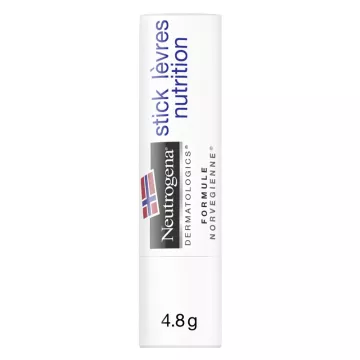
What is a lip balm stick, and how does it differ from a lip balm in a jar?
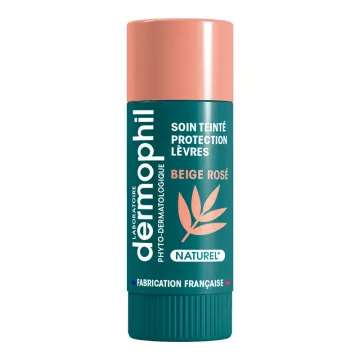
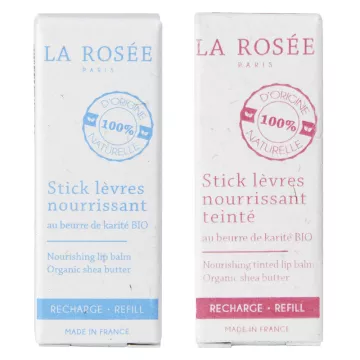
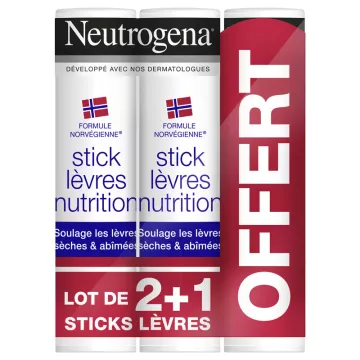
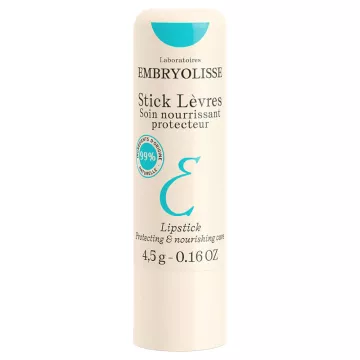
The lip stick is the most convenient form of lip care: a solid stick that can be applied directly, hands-free, hygienically, and is easy to carry. Its solid formula is based on a wax base (beeswax, candelilla wax, carnauba wax) that maintains the texture while forming a protective, occlusive film on the lips. Unlike a jarred balm (repeated finger contact = risk of contamination) or a soft tube (less precise), the stick offers controlled dispensing and targeted application. Comprehensive care for damaged lips can be found on the pages for chapped lips, dry lips, and lip repair.
The lip mucosa is thinner and more vulnerable than facial skin: it has neither sebaceous glands nor melanin (hence its sensitivity to UV rays), and its stratum corneum is virtually nonexistent, which explains why lips become dehydrated and chapped so quickly. An effective lip balm must therefore combine occlusion (to retain water in the cells), emollience (to smooth and soften), and active hydration (to attract water).
- Key occlusive ingredients: beeswax (INCI: Cera Alba)—forms the stick’s structure and protective film—petrolatum—maximum occlusion, ideal for very chapped lips—shea butter (Butyrospermum Parkii)—occlusive and emollient, rich in reparative unsaponifiables
- Emollient and nourishing ingredients: jojoba oil (Simmondsia Chinensis) — very similar to sebum, absorbs well — coconut oil (Cocos Nucifera) — moisturizing and slightly antibacterial — vitamin E (tocopherol) — antioxidant, protects the stick’s lipids and the mucous membrane from oxidative stress
- Active moisturizers: glycerin — a humectant that attracts moisture from the air — hyaluronic acid — found in certain enriched formulas — panthenol (provitamin B5) — soothes and heals minor chapped areas
Which lip balms should you choose based on your needs?
The wide variety of formulas allows you to choose the right lip balm for every situation. For daily protection, a lightweight balm with beeswax and shea butter is sufficient. For very dry or chapped lips in winter, formulas enriched with petroleum jelly or dexpanthenol (the active form of panthenol) provide more intensive repair. At night, richer, occlusive formulas take advantage of the absence of external stimuli to penetrate deeply.
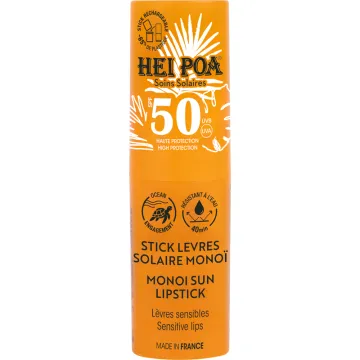
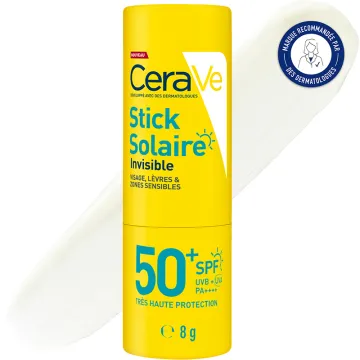
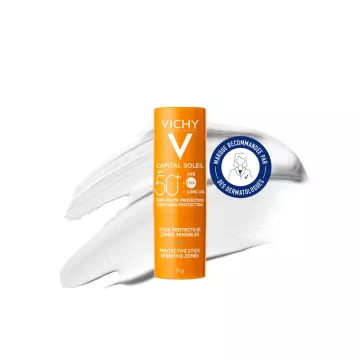
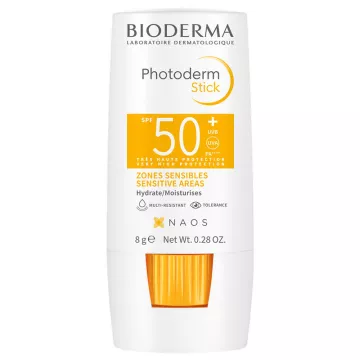
- Lip balm with SPF: Lips contain no melanin—they are particularly vulnerable to UV rays (risk of actinic keratosis and lip cancer, especially on the lower lip)—choose an SPF of at least 30 for any prolonged sun exposure—see also the sunscreen page
- Formulas to avoid: menthol and camphor—provide an immediate cooling sensation but dry out the lips over time (stimulation of cold receptors without actual moisturizing benefits)—fragrance/perfume—may trigger an allergy or perioral contact dermatitis—retinol—lips are too sensitive to tolerate retinoids
- Children and those with sensitive skin: opt for fragrance-free, dye-free formulas with as few ingredients as possible (beeswax + vegetable oil + vitamin E is sufficient)—the COSMOS and Ecocert labels guarantee the absence of controversial preservatives
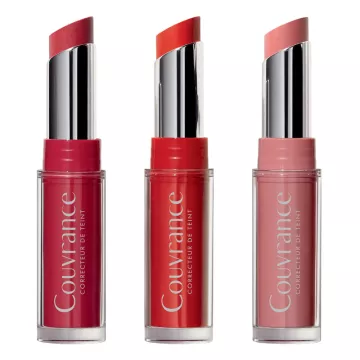
- Lip primer: Apply 5 to 10 minutes before makeup to allow the formula to absorb — a primer that’s too oily causes lipstick to slide off and reduces its staying power — lip primer formulas contain little oil and plenty of waxes to create a smooth surface
How to properly use and care for your lip balm?
Applying a lip balm may seem straightforward, but a few simple steps make all the difference. Start from the center of the upper lip (Cupid’s bow) and work toward the corners, then move to the lower lip to ensure even coverage. Pay special attention to the corners of the mouth and chapped areas. For very dry lips, gently exfoliate beforehand (sugar + honey + a few seconds of circular massage) to remove dead skin cells and improve the absorption of active ingredients.
- Frequency of application: 3 to 5 times a day is standard—apply after meals, after any exposure to cold or wind, and always in the evening before bed—applying it at night to clean lips is one of the most effective methods
- Stick hygiene: Do not share (risk of herpes virus transmission) — Wipe the tip with a clean tissue after use if you have a cold sore — Average shelf life: 1 to 2 years (check the PAO expiration date—the open jar symbol on the packaging)
- Chapped lips despite using the lip balm: check your overall hydration (drink enough water) — a deficiency in vitamin E or essential fatty acids worsens dry skin and lips — mouth breathing at night is also a common cause — see “Lip Contour” for complementary care