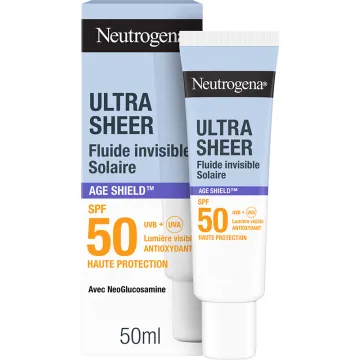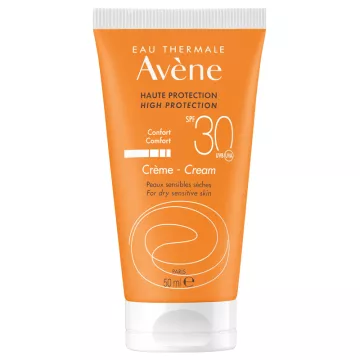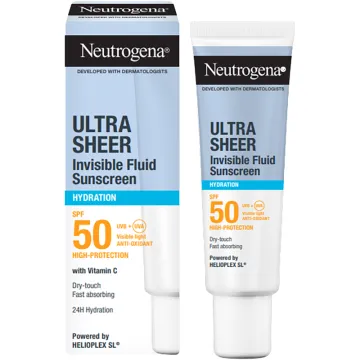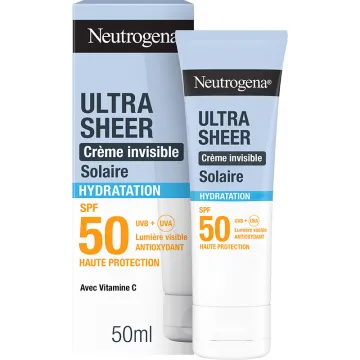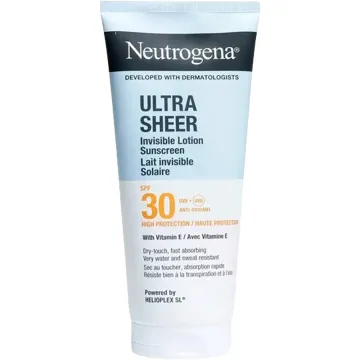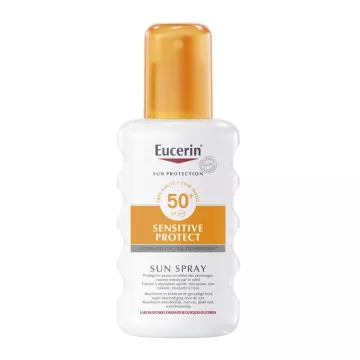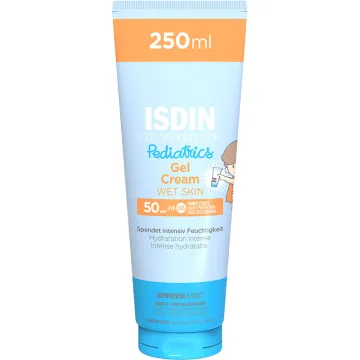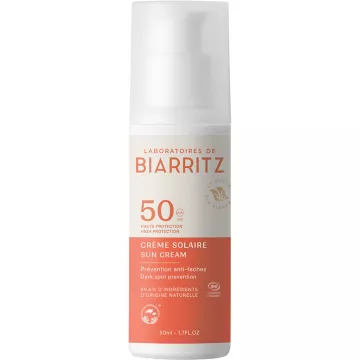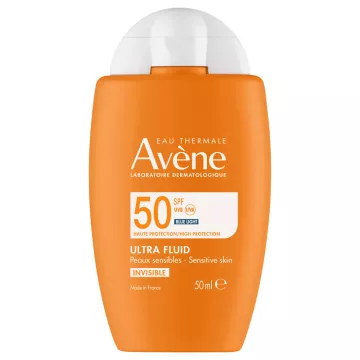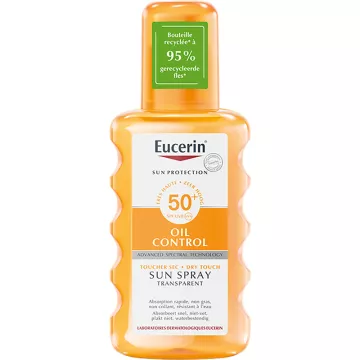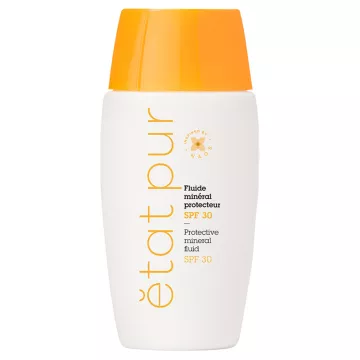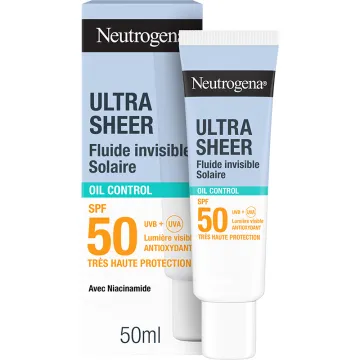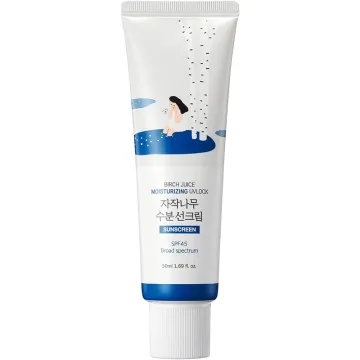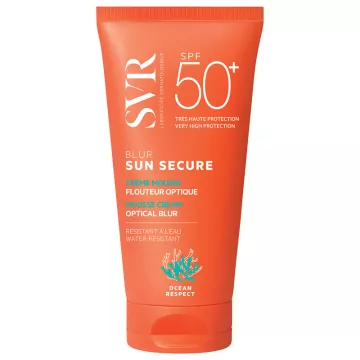
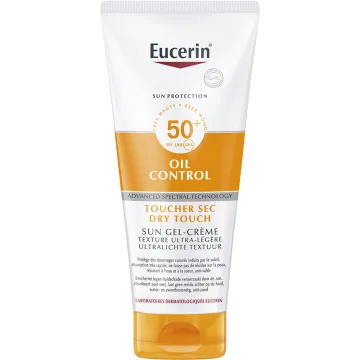
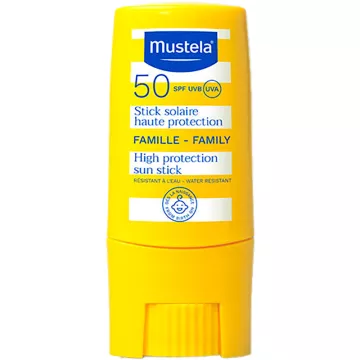

Sunscreen is a skincare product designed to protect the skin from the harmful effects of the sun’s ultraviolet rays.
It contains filters and screens that absorb or reflect UVA and UVB rays before they reach the deeper layers of the skin.
This protective mechanism significantly reduces the risk of sunburn, premature aging, age spots, and skin cancer in the long term (WHO and INCa consensus).
To explore our full range of products, browse our sunscreen section.
Choosing the right sunscreen depends on four key criteria:
To be fully effective, sunscreen must be applied generously and regularly.
The general rule of thumb: about 30 ml (the equivalent of two tablespoons) of product to cover an adult’s body evenly.
Reapply every two hours, and always after swimming, heavy sweating, or drying off with a towel.
Applying too little significantly reduces the actual SPF indicated on the packaging.
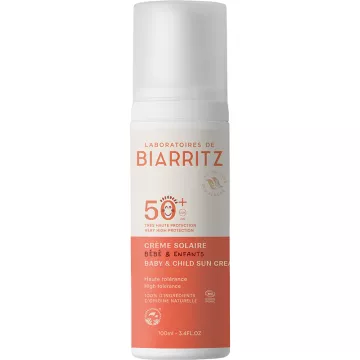
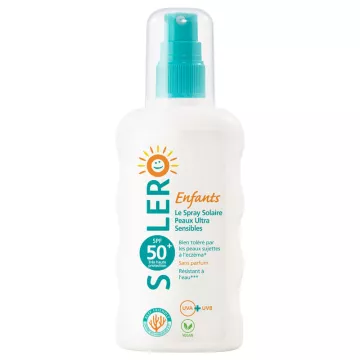
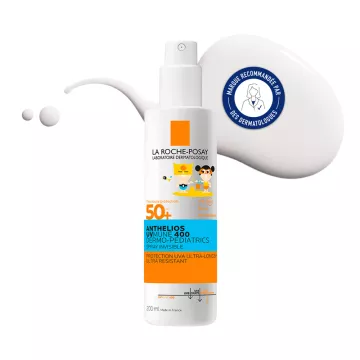
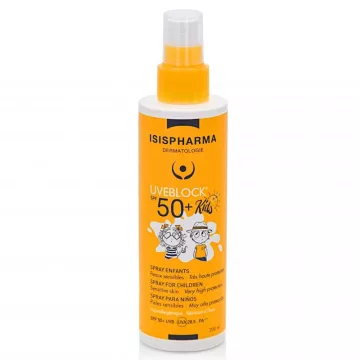
Sun protection for children is not only possible but essential from the very first time they are exposed to the sun.
Choose products specifically formulated for children, using mineral filters (zinc oxide, titanium dioxide) rather than chemical ones, as these are better tolerated by their sensitive skin.
For infants under 6 months old, direct sun exposure is not recommended; protect them primarily by keeping them in the shade, using UV-protective clothing, and a suitable hat.
Discover our selection of children’s sunscreen products.
Sunscreen gradually loses its effectiveness over time: the filters break down and the formula can become unstable.
Always check the expiration date on the packaging and replace any expired product.
The shelf life is generally three years from the date of manufacture; after opening, the PAO (Period After Opening) symbol typically indicates a maximum of 12 months of use.
Store your sunscreen in a cool, dry place, away from direct light and extreme heat (never in the glove compartment or in direct sunlight) to preserve its effectiveness.
Regular use of sunscreen provides lasting and cumulative benefits for skin health.
It significantly reduces the risk of skin cancers, including melanoma, by blocking UV rays that cause damage to cellular DNA.
It prevents photo-induced skin aging (wrinkles, loss of elasticity, uneven texture) and limits the appearance of age spots.
To complete your skincare routine, browse our anti-aging section.
UVA rays penetrate deep into the dermis and are the primary cause of skin aging and the appearance of wrinkles.
UVB rays, on the other hand, act more on the skin’s surface and cause sunburn, while also playing a key role in the development of skin cancer.
Modern sunscreens combine chemical filters (which absorb UV rays) and/or physical mineral filters (which reflect them) to protect against both types of radiation.
Broad-spectrum products provide consistent protection against both UVA and UVB rays, which is essential for optimal effectiveness.
Daily application of sunscreen significantly reduces the risk of age spots appearing on the skin.
So-called “age spots” (solar lentigines) result directly from repeated and cumulative UV exposure over decades.
Daily protection, summer and winter alike, limits the cumulative damage that causes these pigment irregularities, which become visible with age.
For existing spots, check out our anti-age spot section, which complements sun protection.
Organic sunscreens generally rely on mineral filters (zinc oxide, titanium dioxide) that are certified and compliant with organic farming standards.
They are often better tolerated by sensitive, allergic, or reactive skin, as they avoid certain chemical filters that can irritate the skin.
They also have a lower environmental impact: certain chemical filters (oxybenzone, octinoxate) are linked to coral bleaching and are now banned in several marine areas (Hawaii, Palau, Mexico).
Their effectiveness is equivalent to that of conventional formulas with the same SPF, provided they are applied properly.
For optimal application of your sunscreen on your face, follow these four steps:
Children’s sunscreens are distinguished by their formulation, which is designed to accommodate the delicate skin of young children.
They generally rely on physical mineral filters rather than chemical ones to reduce the risk of irritation and allergic reactions.
They are often more water-resistant and formulated with soothing and moisturizing ingredients for children’s delicate skin.
While some adult formulas may be suitable for children, products specifically developed for young skin are always preferable.