What is photoaging of the skin?
Skin photoaging (or helioderma) refers to the accelerated aging of the skin caused by cumulative exposure to ultraviolet rays. Characteristics:
- A cumulative process occurring over the course of a lifetime, with 80% of visible effects attributed to UV radiation (dermatological estimate)
- Mechanism: damage to cellular DNA, degradation of collagen and elastin, increased oxidative stress
- Visible signs: deep wrinkles, age spots, loss of elasticity, telangiectasias, thickened or parchment-like skin depending on the area
- Most affected areas: face, neck, décolletage, backs of the hands, forearms, thinning scalp
- Difference from chronological aging: more pronounced, asymmetrical signs, predominantly on sun-exposed areas
- Increased risk of precancerous actinic keratoses and skin cancers
Photoaging is largely preventable through rigorous sun protection starting in youth. For general signs of aging, additional resources are available to help you.
How do UV rays cause this aging?
Several biological mechanisms work together:
- UVA (320–400 nm): penetrates deeply into the dermis, present year-round, passes through clouds and glass, and is the primary cause of aging
- UVB (280–320 nm): affects the epidermis; causes sunburn; is more intense in the summer and at high altitudes
- Visible light and infrared radiation: contribute to oxidative stress and deep photoaging
- Alteration of cellular DNA: cumulative mutations, risk of skin cancers
- Breakdown of collagen and elastin through enzymatic activation (metalloproteinases)
- Production of free radicals and oxidative stress
- Low-grade chronic inflammation
- Hyperactivation of melanocytes leading to pigmented spots
- Alteration of cutaneousmicrocirculation
- Weakening of the skin’simmune defenses
These effects accumulate silently over decades before becoming visible. Moderate but daily exposure (commuting, gardening, outdoor sports) is just as harmful as occasional intense exposure.
Photoaging vs. intrinsic aging?
Two distinct but complementary processes:
Intrinsic (chronological) aging:
- Causes: genetic, hormonal, metabolic
- Progression: natural and gradual with age
- Appearance: thinner, drier skin; superficial fine lines; gradual, even loss of volume
- Areas affected: the entire body, uniformly
- Can be managed: through lifestyle choices and skincare, but cannot be prevented
Photoaging (extrinsic):
- Cause: cumulative exposure to UV rays and environmental factors
- Progression: accelerated and exacerbated by exposure
- Appearance: deep wrinkles, spots, telangiectasias, thickened “parchment-like” skin, uneven complexion
- Affected areas: predominantly sun-exposed areas (face, hands, décolletage)
- Preventable and manageable: through rigorous sun protection
In clinical practice, these two processes overlap. Skin that has been well protected may look at age 70 as it would at age 50 if it had been unprotected.
How can photoaging be prevented?
Prevention is the most effective and least expensive approach:
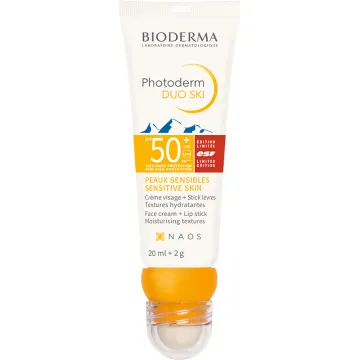
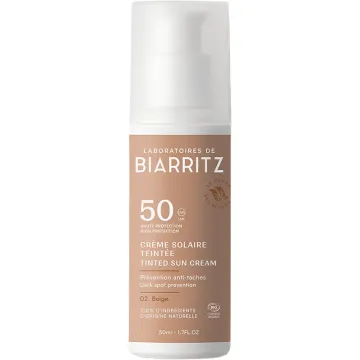
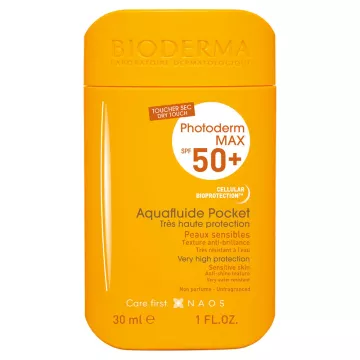
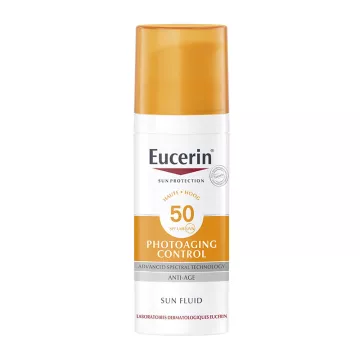
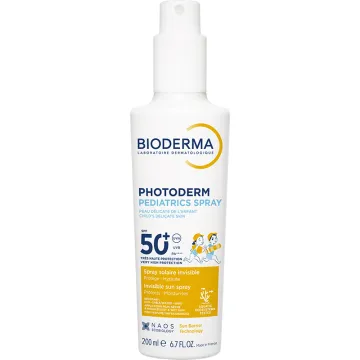
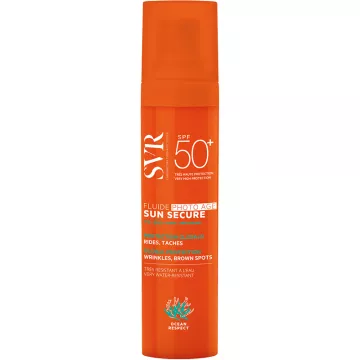
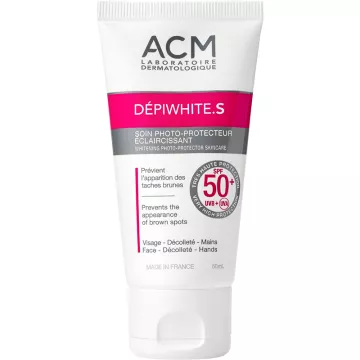
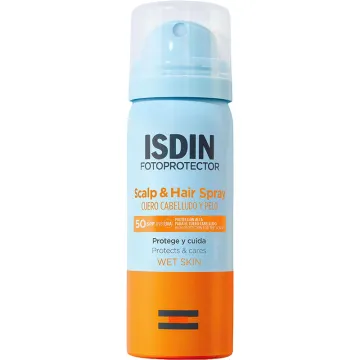
- Apply broad-spectrumSPF 50+ UVA/UVBsunscreen daily, summer and winter
- Apply a sufficient amount: 2 mg/cm² (one teaspoon for the face)
- Reapply every 2 hours during sun exposure and after swimming
- Apply to the hands, décolletage, neck, and ears—areas that are often overlooked
- Wide-brimmed hat, UV-protective sunglasses, and UV-protective clothing
- Seek shade during the hottest hours of the day (10 a.m.–4 p.m.)
- Strictly avoid tanning beds (classified as a Group 1 carcinogen by the IARC)
- UVA-blocking window tint for regular drivers
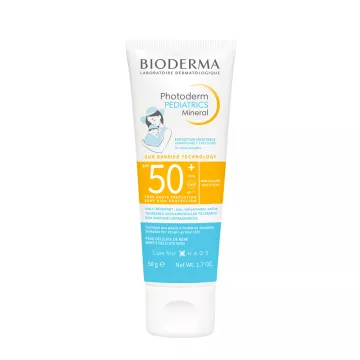
- Mineral filters are often better tolerated by sensitive skin
- Antioxidants in a morning serum used in combination with SPF
- Education starting in childhood: protect your sun protection reserve
- Regularself-monitoring (ABCDE rule for moles that change)
For prolonged sun exposure, our high-protection sun care section offers suitable products. An annual dermatology consultation is recommended for those with at-risk skin.
What treatments are available to reduce the appearance of sun damage?
Several options are available for existing damage:
- Antioxidant skincare products: vitamin C, vitamin E, resveratrol, polyphenols
- Cosmetic retinol: promotes cell turnover (for evening use only; photosensitizing; contraindicated during pregnancy and breastfeeding)
- Prescription-only medical retinoids (tretinoin, adapalene): teratogenic; contraindicated during pregnancy and breastfeeding
- Niacinamide: improves skin tone evenness
- Azelaic acid: for dark spots and blemishes (one of the safest options, including during pregnancy with a doctor’s approval)
- Cosmetic AHAs (glycolic, lactic, and mandelic acids): gentle exfoliants (photosensitizing)
- Peptides: support skin firmness
- Hyaluronic acid: moisturizing and plumping
- Superficial to mediumchemical peels performed in a medical office
- Ablative or non-ablativefractional lasers
- Intense Pulsed Light (IPL) for dark spots and redness
- Botulinum toxin and hyaluronic acid injections as indicated
- Radiofrequency and focused ultrasound for skin tightening
The choice depends on the type of skin damage, phototype, age, and patient expectations. A dermatological consultation is essential before any medical procedure.
Which antioxidants should you incorporate into your routine?
Antioxidants are essential for neutralizing free radicals and limiting cumulative damage:
Topical antioxidants:
- Vitamin C serum in the morning on cleansed skin, before moisturizer and SPF
- Vitamin E in combination with vitamin C
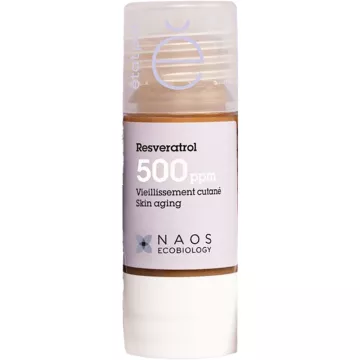
- Resveratrol: a powerful plant-based antioxidant, used in the evening
- Green tea polyphenols
- Coenzyme Q10: a targeted antioxidant
- Ferulic acid: stabilizes other antioxidants
- Niacinamide: improves skin resilience
- Astaxanthin: a powerful carotenoid
Dietary Antioxidants and Supplements:
- Vitamin C: citrus fruits, kiwis, bell peppers, parsley, black currants
- Vitamin E: nuts, vegetable oils, wheat germ
- Selenium: Brazil nuts, fish, eggs
- Zinc: oysters, meats, legumes
- Carotenoids (beta-carotene, lycopene, lutein): carrots, sweet potatoes, tomatoes, apricots
- Polyphenols: berries, green tea, unsweetened cocoa, grapes
- Targeted supplementation under a pharmacist’s guidance in cases of insufficient intake
A combination of topical and dietary approaches yields the best results. Our natural antioxidants section offers complementary products.
What factors exacerbate photoaging?
Several additional factors amplify UV-related damage:
- Active and passive smoking: a major factor that breaks down skin fibers and reduces oxygenation (Tobacco Info Service: 3989)
- Air pollution: fine particles, ozone, heavy metals, nitrogen oxides
- Blue light from daylight and screens
- Chronic stress and prolonged elevated cortisol levels
- Unbalanced diet: excess simple sugars (glycation), ultra-processed foods
- Excessive alcohol consumption: dehydration, oxidative stress
- Insufficient or poor-qualitysleep
- Sedentary lifestyle and impaired microcirculation
- Nutritional deficiencies (vitamins, trace minerals, antioxidants)
- Fair skin types (skin types I and II) are more vulnerable
- Use of photosensitizing medications
- Outdoor work without consistent protection
Identifying and addressing these factors are just as important as cosmetic treatments for limiting the progression of photoaging.
Can existing damage be repaired?
Damage caused by photoaging is partially reversible:
- Oxidative stress: can be reduced with topical and dietary antioxidants
- Pigment spots: can be reduced with targeted active ingredients and medical procedures
- Rough skin texture: gradual improvement with gentle exfoliants and cosmetic retinol
- Superficial wrinkles: improvement through hydration, peptides, and hyaluronic acid
- Deep wrinkles: partial improvement; medical procedures are often necessary
- Telangiectasias (dilated blood vessels): medical procedures (IPL, vascular laser)
- Loss of elasticity: Slowing of progression but limited recovery
- Actinic keratoses: specific dermatological treatment required
- Cumulative DNA damage: irreversible (medical monitoring recommended)
A combination of daily topical treatments, rigorous sun protection, a healthy lifestyle, and targeted medical procedures yields the best results. Early intervention significantly influences the quality of the results. A dermatology consultation allows for the development of a personalized plan.
How does diet support the skin?
Diet is an essential complementary pillar:
- Colorful fruits and vegetables: 5 servings per day for a variety of vitamins and antioxidants
- Berries (blueberries, raspberries, blackberries, pomegranates): powerful polyphenols
- Green vegetables (spinach, broccoli, lamb’s lettuce): folate, vitamin K
- Carotenoids (carrots, sweet potatoes, tomatoes, apricots, mangoes): antioxidant protection
- Fatty fish twice a week (salmon, sardines, mackerel): omega-3 EPA and DHA
- Nuts and seeds (walnuts, almonds, seeds): vitamin E, essential fatty acids
- Avocado, olive oil, and canola oil: high-quality fats
- Green tea: specific antioxidants (catechins)
- Unsweetened cocoa in moderation: flavonoids
- Hydration: 1.5 to 2 L of water per day
- Limit simple sugars (glycation = a factor in aging)
- Limit ultra-processed foods and alcohol
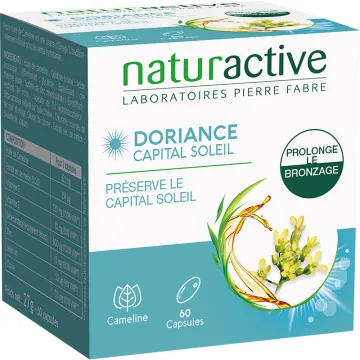
- Oral sunscreen supplement (beta-carotene) as a course of treatment before the summer season, as advised
A balanced diet strengthens the skin’s natural defenses and effectively complements topical sun protection.
What natural approaches are helpful?
Several complementary approaches provide support; use them with discernment:
Beneficial approaches:
- Argan oil: rich in vitamin E, for use on dry skin
- Jojoba oil: balancing for combination skin
- Rosehip oil: antioxidant and supports skin health (evenings only)
- Purealoe vera gel: soothing, moisturizing (48-hour patch test)
- Shea butter: nourishing
- Pure honey as an occasional mask (perform an allergy test first)
- Floral waters (rose, cornflower): toning
- Thermal mist during the day
- Regulargentle facial massage
Absolutely avoid:
- Lemon juice on the skin: phytophototoxic; worsens dark spots and causes burns due to photosensitivity
- Citrus essential oils (lemon, bergamot, bitter orange): photosensitizing
- Pure topical turmeric: stains the skin, risk of allergic reaction
- Undiluted apple cider vinegar: irritating
- Untested homemade recipes with high irritation potential
- Sun exposure to achieve a “tan” under the pretext of looking “healthy”
Cosmetically formulated skincare products available at pharmacies offer more predictable effectiveness and better tolerability than home remedies. Your pharmacist remains a valuable resource for tailoring your skincare routine to your skin type and your usual level of sun exposure. For mature skin that has accumulated significant sun exposure, a comprehensive strategy combining topical skincare, a healthy lifestyle, and, if necessary, medical treatments yields the most lasting results.