What are the first signs of aging?
Signs of aging appear gradually on the skin, in the hair, and throughout the body. The most common signs are:
- Fine lines and wrinkles: initially superficial around the eyes and mouth, then deeper
- Pigment spots: sunspots on the face, hands, and décolletage
- Drier skin: decreased sebum production and natural hydration
- Loss of elasticity and firmness: less defined facial contours, sagging skin
- Gray and white hair: gradual depigmentation of the scalp, often starting at the temples
- Hair loss or thinning: diffuse or androgenetic alopecia
- Thinning of the lips and loss of facial volume
- More brittle nails with longitudinal ridges
- Sarcopenia: gradual decrease in muscle mass
- Presbyopia: difficulty seeing up close starting around age 40–45 (consult an ophthalmologist)
- Dark circles and bags under the eyes
- Slowerhealing
These signs vary depending on genetics, lifestyle, cumulative sun exposure, and hormonal factors. For targeted advice, see our guidelines on aging and mature skin.
How can you prevent the signs of aging?
Effective prevention relies on several complementary strategies:
- Daily broad-spectrumsun protection with SPF 30 to 50+, summer and winter (anti-aging step #1)
- Daily moisturizing with a suitable cream and hyaluronic acid-based skincare products
- Oral hydration: 1.5 to 2 L of water per day
- A balanced diet rich in antioxidants, omega-3s, and high-quality protein
- Regular moderatephysical activity: 150 minutes per week (WHO recommendations)
- Strength training twice a week to help prevent sarcopenia
- Regular sleep: 7 to 9 hours per night
- Quit smoking (Tobacco Info Service: 3989) and limit alcohol consumption
- Managing chronicstress
- A tailored skincare routine starting at age 25–30 (gentle cleansing, serum, moisturizer, SPF)
- Targeteddietary supplements as advised by a pharmacist (vitamins C and E, selenium, zinc, omega-3)
- Regularmedical and dermatological checkups
- Limiting fast-acting sugars (glycation = a factor in aging)
Consistency over several decades is more important than occasional intensive treatments. The earlier you start, the more visible the long-term benefits will be.
What treatments can help reduce the signs of aging?
Several options are available; discuss them with a dermatologist or aesthetic physician:
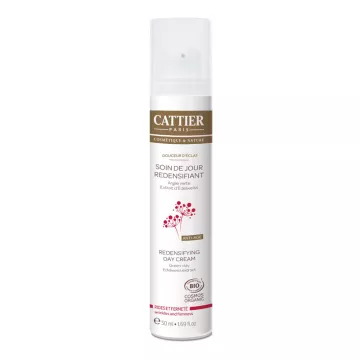
- Daily skincare: serums and creams containinghyaluronic acid, vitamin C, peptides, and niacinamide
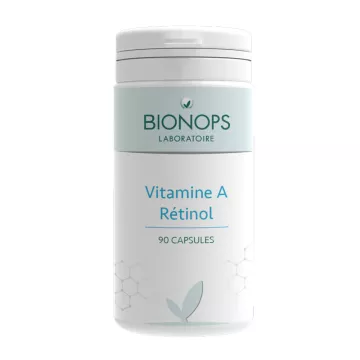
- Cosmetic retinol: use only at night (photosensitizing; contraindicated during pregnancy and breastfeeding)
- Prescription-only medical retinoid creams (tretinoin, adapalene): teratogenic; contraindicated during pregnancy and breastfeeding
- Injectable botulinum toxin: expression lines (medical procedure requiring a prescription)
- Injectable hyaluronic acid: fills furrows and restores volume
- Superficial to mediumchemical peels
- Fractional lasers (ablative or non-ablative)
- Intense pulsed light (IPL): for dark spots and skin tone improvement
- Microneedling with or without combined radiofrequency
- Radiofrequency and high-intensity focused ultrasound (HIFU): gradual skin-tightening effect
- Mesotherapy and skin boosters
- Surgical facelift for significant sagging
- Hormone therapy during menopause: individualized medical recommendation (primary care physician or gynecologist)
These procedures must be performed by a trained medical specialist. A preliminary consultation is essential to assess your needs and choose the approach best suited to your profile.
At what age do these signs appear?
The onset varies depending on multiple factors:
- Ages 25–30: first dehydration lines, first expression lines in some individuals
- Ages 30–35: fine lines around the eyes and mouth; the beginning of a slowdown in cell turnover
- Ages 35–45: more pronounced wrinkles, first signs of loss of firmness, possible appearance of dark spots
- Ages 45–55: more visible signs; premenopause and menopause with significant hormonal changes
- 55 and older: deep wrinkles, marked sagging, actinic spots, loss of volume
- Significantindividual variations depending on genetics, skin type, cumulative sun exposure, and lifestyle
- Premature aging is possible in smokers, those with unprotected skin, and those with chronic sun exposure
- Delayed aging in those who protect their skin and maintain a healthy lifestyle
Early preventive care starting at age 25 optimizes long-term results, but it’s never too late to adopt an appropriate routine.
Are anti-aging products effective?
Anti-aging skincare products yield varying results depending on the product and individual:
- Documented efficacy for several active ingredients: cosmetic retinol, vitamin C, peptides, niacinamide, AHAs, hyaluronic acid
- Gradual results become visible after 4 to 12 weeks, depending on the active ingredients
- Effects are sustained only with regular use
- Results vary depending on individual factors: young vs. mature skin, skin type, and initial condition
- Limited effect on deep static wrinkles and significant sagging (where medical procedures provide additional benefits)
- Synergy with sun protection is essential
- Choose based on specificneeds (hydration, firmness, dark spots, radiance)
- Check forcompatibility between active ingredients (avoid combining irritants)
Investing in a consistent skincare routine over several years yields greater benefits than using expensive treatments on an occasional basis. Our anti-aging section at the pharmacy offers dermocosmetic products.
How does diet affect the skin?
Diet plays a fundamental structural role:
- Colorful fruits and vegetables: 5 servings a day for a variety of vitamins and antioxidants
- Carotenoids (carrots, sweet potatoes, tomatoes, apricots, mangoes): antioxidant protection
- Green vegetables (spinach, broccoli, kale, lamb’s lettuce): folate, vitamin K
- Berries (blueberries, raspberries, blackberries, pomegranates): powerful polyphenols
- Fatty fish twice a week (salmon, sardines, mackerel): omega-3 EPA and DHA
- Nuts and seeds (walnuts, almonds, flaxseeds): vitamin E, essential fatty acids
- Avocado, olive oil, and canola oil: high-quality fats
- High-quality protein (eggs, fish, lean meats, legumes): structural amino acids
- Green tea: antioxidants (catechins)
- Unsweetened cocoa in moderation: flavonoids
- Hydration: 1.5 to 2 L of water per day
- Limit intake of simple sugars (glycation of skin fibers)
- Limit ultra-processed foods, alcohol, and tobacco
For targeted support, our natural antioxidants section offers supplements to help make up for any deficiencies.
How important is hydration?
Hydration is one of the fundamental pillars:
Internal hydration:
- 1.5 to 2 L of water per day, adjusted according to activity level and temperature
- Spread out evenly throughout the day
- Water-rich foods: cucumber, watermelon, zucchini, tomato, soup
- Herbal teas and infusions without contraindicated herbs
- Limit sugary drinks and alcohol
- Limit salt intake (paradoxical water retention)
Topical moisturization:
- Appropriate moisturizer applied morning and night
- Moisturizing serums containing hyaluronic acid, glycerin, and low-concentration urea
- Ceramides and squalane: restore the skin barrier
- Thermal water mist throughout the day
- Avoid using water that is too hot when washing
- Enriched skincare products for dry, mature skin
- Moisturizing masks 1 to 2 times a week
Well-hydrated skin is more supple, retains its radiance, and is more resistant to external aggressors. This is one of the most accessible and effective long-term strategies.
What natural approaches are helpful?
Several simple steps can help improve the skin’s visible appearance:
- A gentle 5- to 10-minutefacial massage daily to stimulate microcirculation
- Upward strokes from the neck toward the face
- A cold roller or gua sha made of ceramic or jade: has a decongesting effect
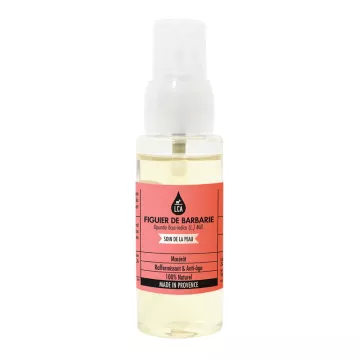
- Argan oil: rich in vitamin E, use on dry skin
- Jojoba oil: balancing for combination skin
- Rosehip oil: use only in the evening
- Purealoe vera gel: soothing and moisturizing (48-hour test)
- Shea butter: nourishing
- Avocado or oatmeal masks: nourishing and soothing
- Pure honey as a mask (perform an allergy test first; use caution with bee products)
- Thermal water mist during the day
- Toning floral waters (rose, cornflower)
Absolutely avoid: lemon juice on the skin (phytophototoxic, worsens dark spots), citrus essential oils (photosensitizing), undiluted apple cider vinegar (irritating), pure topical turmeric (stains the skin, allergy risk), untested homemade recipes with high irritation potential. Cosmetically formulated skincare products offer more predictable results.
What dietary supplements are helpful?
On the advice of a pharmacist, certain supplements can support skin health:
- Vitamin C: an antioxidant that contributes to normal collagen metabolism (EFSA claim)
- Vitamin E: protects against oxidative stress
- Selenium: cellular protection
- Zinc: helps maintain normal skin
- Omega-3 EPA-DHA: supports skin barrier function
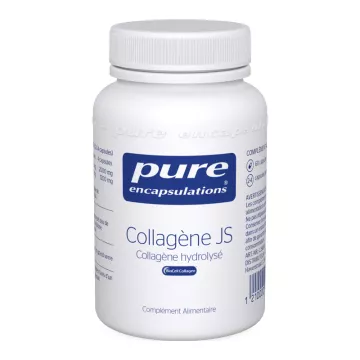
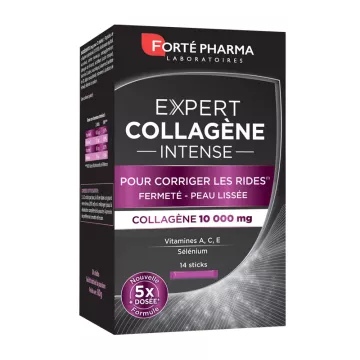
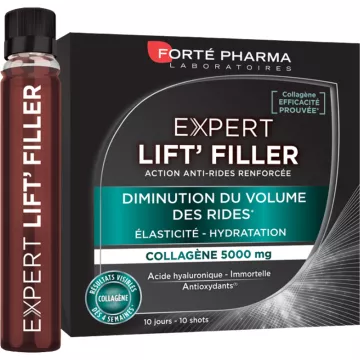
- Hydrolyzed collagen or marine collagen as a 2- to 3-month course of treatment
- Oral hyaluronic acid as a course of treatment
- Coenzyme Q10: systemic antioxidant
- Carotenoids and beta-carotene: oral sun protection supplement during the summer
- Organic silicon: structural trace element
- Vitamin D in cases of documented deficiency (common in winter)
- Oral resveratrol: complementary antioxidant
A personalized assessment by your licensed pharmacist helps identify the supplements most relevant to your dietary intake. No routine supplementation without a specific medical indication provides any additional benefit beyond a balanced diet.
When should you consult a professional?
Several situations warrant a specialized consultation:
- Premature or markedaging before age 35–40
- Rapid progression of skin changes
- New or changingpigmented spots (ABCDE rule for melanoma)
- Adult acne or post-acne marks
- Rosacea and persistent redness
- Significant hair loss or hair-related issues
- Interest in cosmetic procedures (injections, laser treatments, chemical peels)
- Comprehensive assessment of skin aging and personalized treatment plan
- Menopausal symptoms with significant skin-related effects (primary care physician or gynecologist)
- Persistent blurred vision (ophthalmologist)
- Chronic fatigue or other systemic symptoms (primary care physician)
- Psychological concerns related to skin changes (primary care physician, psychologist)
Aging is an inevitable natural process, but its effects can be significantly mitigated through a consistent strategy. The realistic goal is not eternal youth, but healthy, comfortable skin that is in harmony with your age. Your pharmacist remains a valuable resource for guiding your daily skincare choices and complementing your medical care. For loss of firmness and elasticity, a comprehensive approach yields the most lasting results.