What are the signs of aging to watch for?
Aging is a natural and gradual process that affects all organs and systems. Main signs:
Visible signs:
- Skin: wrinkles, fine lines, loss of elasticity and firmness, age spots, increased dryness
- Hair: gray or white hair, thinning, hair loss
- Facial: loss of volume, sagging facial contours, heavy eyelids
- Postural: changes in stature, gradual loss of height
Internal signs:
- Bone density: progressive decrease (osteopenia, osteoporosis)
- Muscle mass: age-related sarcopenia
- Immune system: immunosenescence
- Cognitive functions: slowing, reduced short-term memory
- Vision: presbyopia starting at age 40–45, cataracts, possible AMD
- Hearing: progressive presbycusis
- Cardiovascular system: arterial stiffness, hypertension
- Metabolism: slowed basal metabolic rate, hormonal changes
These changes vary depending on genetics, lifestyle, and the environment. For general signs of aging, additional resources are available to help you.
How can you slow down the aging process?
Several habits have a lasting impact on the quality of aging:
- A balanced diet rich in antioxidants, omega-3s, and high-quality protein
- Regular moderatephysical activity: 150 minutes per week (WHO recommendations)
- Strength training twice a week to help prevent sarcopenia
- Oralhydration: 1.5 to 2 L of water per day
- Regular, high-qualitysleep: 7 to 9 hours per night
- Chronicstress management
- Daily sun protection with SPF 30 to 50+
- Quitting smoking (Tobacco Info Service: 3989) and limiting alcohol consumption
- Active social life and maintaining emotional connections
- Cognitive stimulation through reading, games, and learning
- Appropriate skincare routine
- Regular medical checkups and age-appropriate screenings
- Targeteddietary supplements as recommended by a pharmacist, if necessary
Consistency over decades is more important than occasional intensive efforts. Early intervention optimizes long-term results.
Which anti-aging foods should you prioritize?
Diet plays a direct role in the quality of aging:
- Colorful fruits and vegetables: 5 servings per day for a variety of vitamins and antioxidants
- Berries (blueberries, raspberries, blackberries, pomegranates): powerful polyphenols
- Green vegetables (spinach, broccoli, kale, lamb’s lettuce): folate, vitamin K
- Carotenoids (carrots, sweet potatoes, tomatoes, apricots, mangoes): antioxidant protection
- Fatty fish twice a week (salmon, sardines, mackerel): omega-3 EPA and DHA
- Nuts and seeds (walnuts, almonds, flaxseeds): vitamin E, essential fatty acids
- Avocado, olive oil, and canola oil: high-quality fats
- High-quality protein (eggs, fish, lean meats, legumes): structural amino acids
- Legumes and whole grains: fiber, micronutrients
- Green tea: specific antioxidants (catechins)
- Unsweetened cocoa in moderation: flavonoids
- Calcium (dairy products, sardines with bones, green vegetables): bone health
- Vitamin D (fatty fish, egg yolks): bone and immune health
- Limit intake of simple sugars (cellular glycation)
- Limit ultra-processed foods, salt, and alcohol
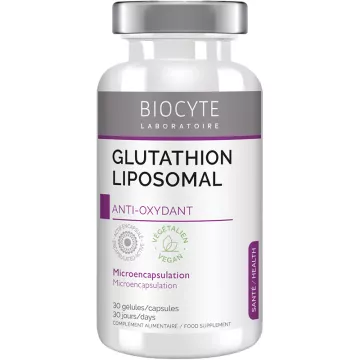
Our natural antioxidants section offers supplements to support your diet.
What are the benefits of physical activity?
Regular physical activity provides major systemic benefits:
- Maintaining muscle mass and reducing sarcopenia
- Preservation of bone density (weight-bearing exercises)
- Improvedcardiovascular health
- Skin microcirculation and tissue oxygenation
- Hormonal and metabolicregulation
- Improved sleep quality
- Stress management and endorphin release
- Preservation of cognitive function
- Maintaining balance and reducing the risk of falls
- Strengthening of the immune system
- Long-termanti-inflammatory effect
- Preservation of flexibility and mobility
WHO Recommendations: 150 minutes of moderate-intensity activity per week (brisk walking, cycling, swimming) or 75 minutes of vigorous-intensity activity, supplemented by strength training twice a week. Adjust the intensity to individual capabilities, in consultation with your primary care physician if you have chronic conditions.
How can you support skin collagen?
Collagen is the skin’s primary structural protein:
Support through diet:
- High-quality protein: a source of amino acids (particularly glycine and proline)
- Vitamin C: contributes to normal collagen metabolism (EFSA claim)
- Zinc and copper: trace minerals involved in skin structure
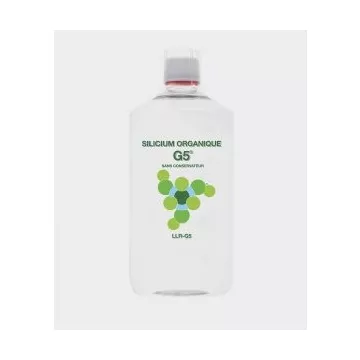
- Silicon (whole grains, mineral water): a structural trace element
- Polyphenols and antioxidants: protection against glycation
Support from topical skincare:
- Vitamin C serum: antioxidant, promotes radiance
- Peptides: skin signaling action
- Cosmetic retinol: cell renewal (for evening use only; contraindicated during pregnancy and breastfeeding)
- Strict sun protection: limits UV-induced damage
Dietary supplements as recommended by a pharmacist: hydrolyzed collagen or marine collagen as a 2- to 3-month course, vitamin C, omega-3.
Which anti-aging supplements?
As advised by a pharmacist, certain supplements can support healthy aging:
- Vitamin C: antioxidant, supports normal collagen metabolism
- Vitamin E: protection against oxidative stress
- Selenium: cellular protection
- Zinc: supports healthy skin
- Omega-3 EPA-DHA: supports cardiovascular and skin health
- Vitamin D: bone and immune health (common deficiency in winter)
- Calcium: bone health
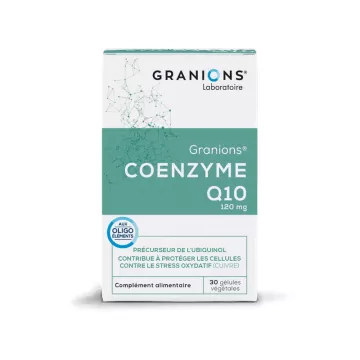
- Coenzyme Q10: systemic antioxidant
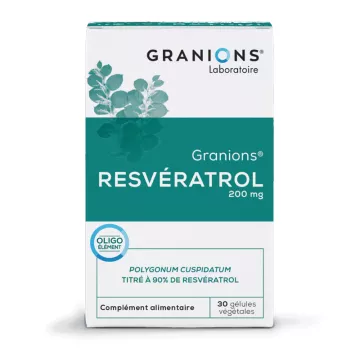
- Resveratrol: plant-based antioxidant
- Hydrolyzed or marine collagen as a 2- to 3-month course of treatment
- Probiotics: balance of the gut microbiota
- Magnesium for fatigue or stress
- Vitamin B12 in cases of deficiency (common after age 60)
A personalized assessment by your primary care physician and your licensed pharmacist will help identify the appropriate supplements based on your dietary intake and health status. No routine supplementation without a medical indication provides any additional benefit beyond a balanced diet.
How can you maintain bone density?
Bone health is a major concern as we age (risk of osteoporosis and fractures):
- Calcium intake: 1,000 to 1,200 mg/day (dairy products, sardines, calcium-enriched water, green vegetables)
- Vitamin D: 800 to 1,000 IU/day according to recommendations (moderate sun exposure, fatty fish, frequent supplementation in winter)
- Weight-bearingphysical activity: walking, running, dancing, strength training
- Strength training twice a week to support the skeleton
- Adequate protein intake (1 to 1.2 g/kg/day for seniors)
- Avoid tobacco and limit alcohol consumption
- Limit prolongedsedentary behavior
- Vitamin K2 intake (green vegetables, fermented cheeses)
- Osteoporosis screening: bone density testing starting at age 50 for women or in cases of risk factors
- Medical follow-up and specific treatment if indicated
- Prevention of falls at home (home modifications, balance training)
During menopause, a period of accelerated bone loss, follow-up with your primary care physician or gynecologist is essential.
How can you manage stress and sleep?
Chronic stress and sleep have a profound impact on aging:
Stress management:
- Cardiac coherence: 3 times a day, 5 minutes each, 6 breaths per minute
- Meditation, yoga, sophrology
- Regular physical activity
- Meaningfulsocial connections and emotional expression
- Walks in nature, exposure to natural light
- Creative hobbies and enjoyable activities
- Adaptogenic herbs as recommended by a pharmacist (rhodiola, ashwagandha)
- Psychological support if needed
Sleep optimization:
- Regular bedtime and wake-uptimes
- Appropriate duration: 7 to 9 hours
- Cool (18–20 °C), dark, and quietbedroom
- Avoid screens for 1 hour before bedtime
- Asoothing eveningroutine
- Light meal 2 hours before bed
- Limit stimulants (caffeine after 2 p.m., alcohol in the evening)
Quality sleep remains one of the most powerful regulators of biological aging.
How can you maintain cognitive health?
Cognitive health is built throughout one’s life:
- Intellectual stimulation: reading, memory games, crossword puzzles, Sudoku, chess
- Learning new skills: a language, a musical instrument, a craft
- Regular physical activity (documented neurotrophic effect)
- A Mediterranean-style diet rich in omega-3s, antioxidants, and vegetables
- Quality sleep (nighttime memory consolidation)
- Meaningfulsocial connections and community life
- Chronicstress management
- Management of cardiovascular risk factors (high blood pressure, diabetes, high cholesterol)
- Limiting alcohol and avoiding tobacco
- Maintaining hearing and vision (regular checkups, hearing aids if necessary)
- Vitamin B12, omega-3, and vitamin D as recommended by a pharmacist in case of deficiencies
- See a doctor if you experience unusual memory problems
The HAS andInserm remind us that lifestyle significantly influences the risk of age-related cognitive decline. For medical questions, consult your primary care physician.
How can you protect your skin on a daily basis?
The skin is the organ most exposed to the signs of aging:
- Daily broad-spectrumsun protection with SPF 30 to 50+, summer and winter
- Gentle cleansing morning and night
- Daily moisturizing suited to your skin type
- Morningantioxidant serum (vitamin C, vitamin E)
- Targeted serum at night (cosmetic retinol, peptides, hyaluronic acid)
- Specificeye contour care
- Remove makeup every evening
- Gentle exfoliation 1 to 2 times a week
- Weeklyhydrating or nourishing mask
- Protection against pollution: thorough cleansing, topical antioxidants
- Protection against cold and wind during the appropriate season
- Thermal mist throughout the day for comfort
- Regularself-examination (ABCDE rule for moles)
- Annual or biannualdermatology consultation for at-risk skin types
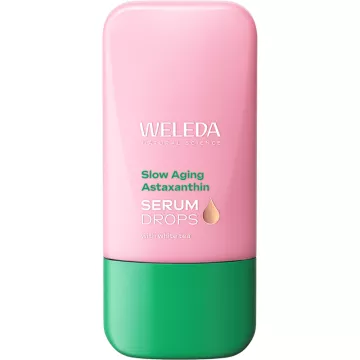
Our anti-aging skincare section at the pharmacy offers products tailored to different skin types.
What steps can you take for an active and fulfilling life?
Aging well— beyond just the physical —requires a holistic approach:
Social and emotional well-being:
- Maintaining family and friendshipties
- Community or volunteer work
- Clubs and group activities (sports, culture, recreation)
- Intergenerational connections and passing on knowledge
- Emotional expression and psychological support as needed
Fall prevention (for seniors):
- Balance exercises: tai chi, gentle yoga, walking on varied terrain
- Lower-bodystrength training
- Home modifications: lighting, secured rugs, grab bars
- Appropriate footwear
- Up-to-datevision and hearingcare
- Medication management (certain medications increase the risk)
Medical follow-up:
- Primary care physician: annual checkups and coordination of care
- Age-appropriate screenings (cancers, osteoporosis, metabolic disorders)
- Up-to-datevaccinations (annual flu, COVID-19, pneumococcal, and shingles, as recommended by the HAS)
- Eye and hearingexams
- Dental care
- Geriatric consultation for patients with multiple chronic conditions or on multiple medications
Aging is an inevitable process, but one that can be significantly influenced. Adopting a holistic approach that combines skin care, lifestyle, nutrition, physical activity, social engagement, and medical monitoring offers the best chance for healthy aging. Your pharmacist remains a valuable local resource to guide your choices and coordinate certain aspects of your health as you age. For loss of skin firmness and sagging skin in particular, a consistent strategy yields visible and lasting results.