What is sagging skin?
Skin sagging refers to the gradual loss of firmness and elasticity in the skin. Characteristics:
- A progressive condition that typically begins around ages 35–40, though it may be noticeable as early as one’s thirties in certain individuals
- Structural cause: thinning and disorganization of collagen and elastin fibers in the dermis, loss of hyaluronic acid in the skin
- Visible signs: a less defined facial contour, emerging jowls, pronounced nasolabial folds, heavy eyelids, and sagging skin on the neck and décolleté
- Affected body areas: inner arms, abdomen (especially after pregnancy), thighs, buttocks, inner knees
- Simple test: Pinch the skin; it returns to its original shape more slowly with age
- Progression: Continuous worsening, but largely manageable through skincare and lifestyle habits
This natural progression can be significantly managed. To address loss of firmness and elasticity, additional resources are available to support you.
What are the main causes?
Several factors combine to explain sagging:
- Intrinsic aging: collagen and elastin production declines starting in one’s thirties (about 1% per year)
- Hormonal changes: premenopause and menopause (drop in estrogen), accelerated loss of up to 30% of collagen in the first 5 years after menopause
- UV exposure: the number one factor in extrinsic aging; deeply damages skin fibers
- Active and passive smoking: impairs skin oxygenation and accelerates fiber degradation
- Air pollution: chronic oxidative stress
- Significant or repeated weight fluctuations: skin stretching, loss of dermal support following rapid weight loss
- Pregnancy and associated abdominal stretching
- Unbalanced diet: fast-acting sugars (fiber glycation), protein deficiencies
- Sedentary lifestyle and loss of muscle mass (sarcopenia)
- Chronic stress and prolonged elevated cortisol levels
- Insufficient or poor-qualitysleep
- Genetic predisposition
- Chronic dehydration
Identifying modifiable factors helps guide the first steps to take.
How can skin sagging be prevented?
Prevention ideally begins in youth:
- Daily broad-spectrumsun protection with SPF 30 to 50+, summer and winter (anti-aging step #1)
- Oral hydration: 1.5 to 2 L of water per day
- A balanced diet rich in antioxidants, high-quality protein, and omega-3s
- Vitamins C and E from food or targeted supplementation
- Strict avoidance of tobacco (Tobacco Info Service: 3989)
- Limit alcohol consumption
- Regular sleep: 7 to 9 hours per night
- Regularphysical activity: 150 minutes per week (WHO recommendations)
- Strength training twice a week
- Chronicstress management
- Avoid rapid weight fluctuations (gradual weight loss when dieting)
- A skincare routine tailored to your needs starting at age 25–30
- Limit intake of simple sugars and ultra-processed foods
- Regulargentle facial massage to improve microcirculation
Consistency over several decades is more important than occasional intensive treatments. The earlier you start, the more visible the long-term benefits will be.
Which topical treatments should you prioritize?
Several active ingredients visibly support the skin:
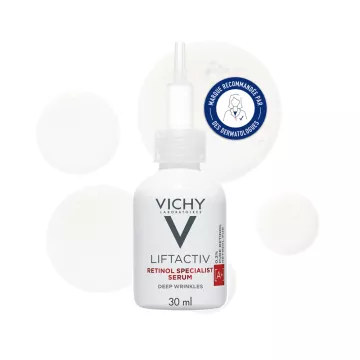
- Cosmetic retinol: promotes cell renewal (use only at night; photosensitizing; contraindicated during pregnancy and breastfeeding; introduce gradually)
- Peptides: support suppleness and firmness through their signaling action
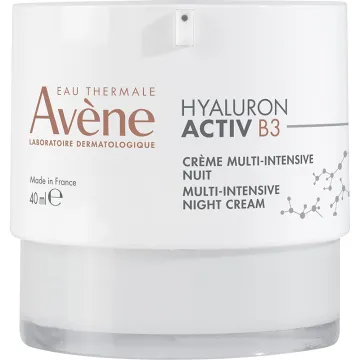
- Hyaluronic acid: a major moisturizer with an immediate plumping and optical firming effect
- Vitamin C: an antioxidant that supports skin function
- Vitamin E: synergistic antioxidant
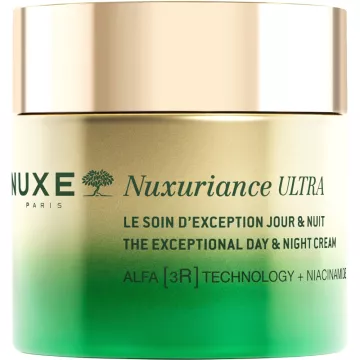
- Niacinamide: improves the visible quality of the skin
- Coenzyme Q10: targeted antioxidant
- Resveratrol: plant-based antioxidant
- DMAE: gradual cosmetic firming effect
- Ceramides and squalane: restore the skin barrier
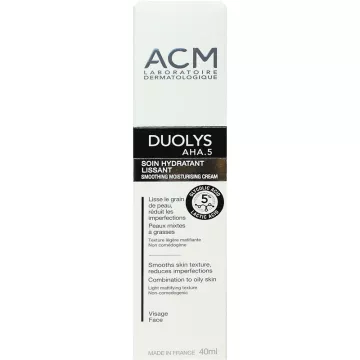
- AHAs (glycolic acid, lactic acid): gentle exfoliants that support skin renewal (photosensitizing)
- Caffeine: local firming effect around the eyes
- Centella asiatica (Cica): supports skin health
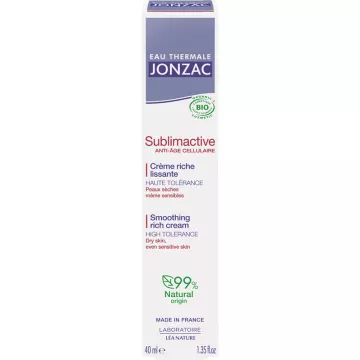
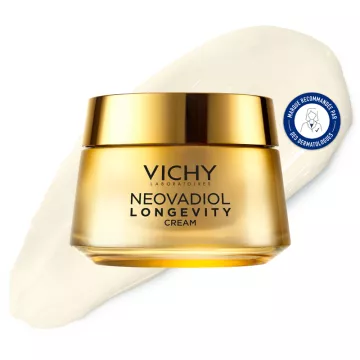
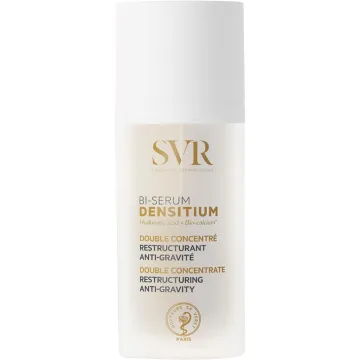
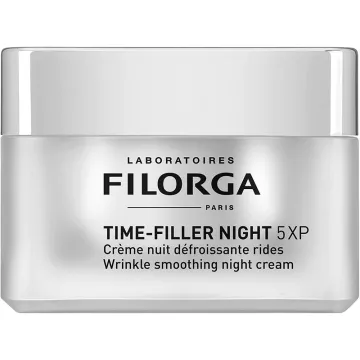
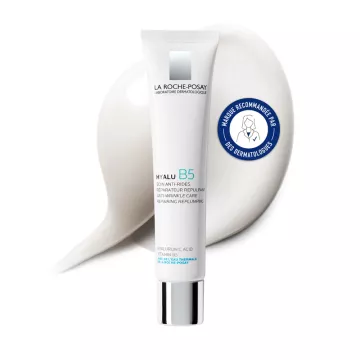
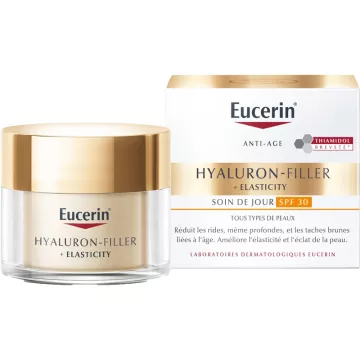
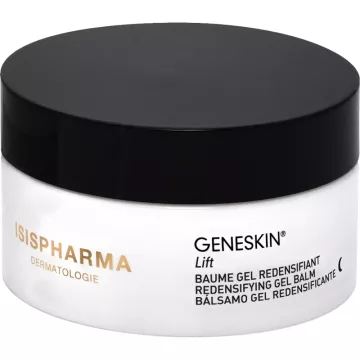
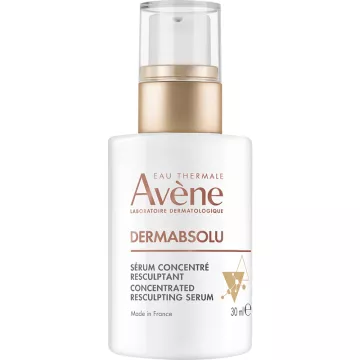
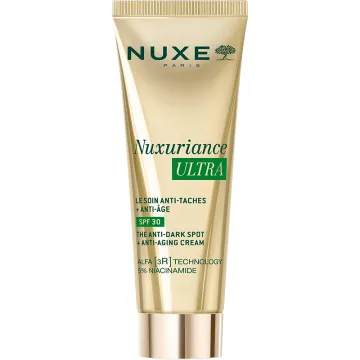
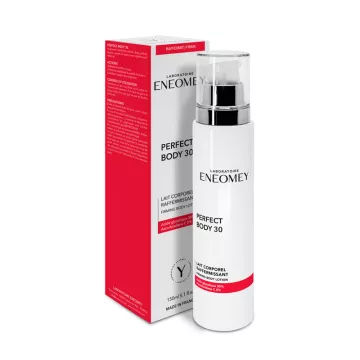
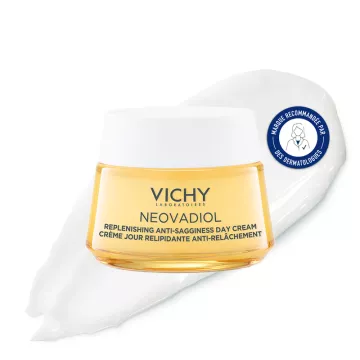
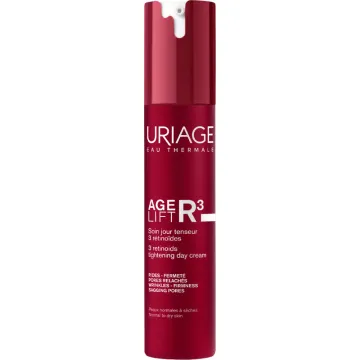
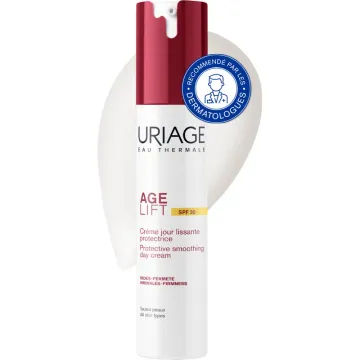
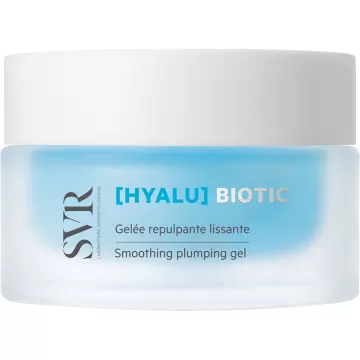
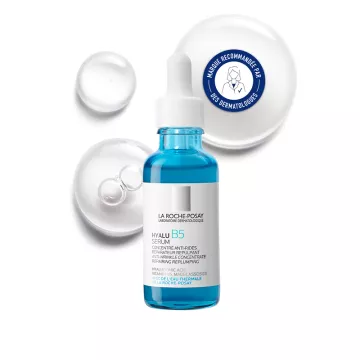
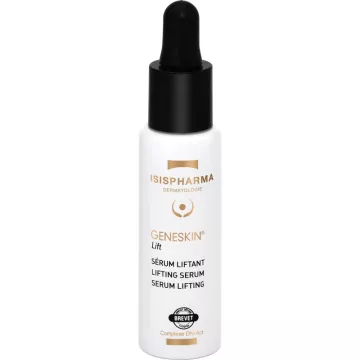
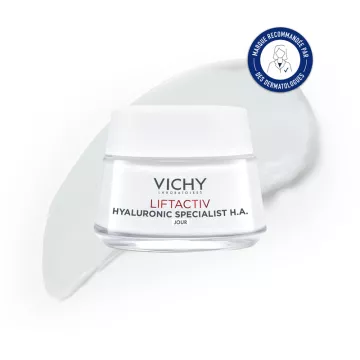
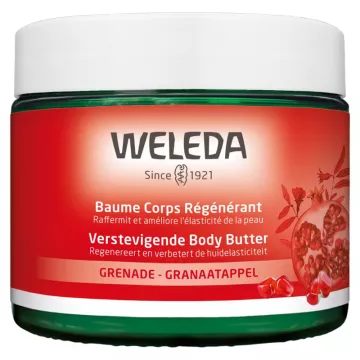
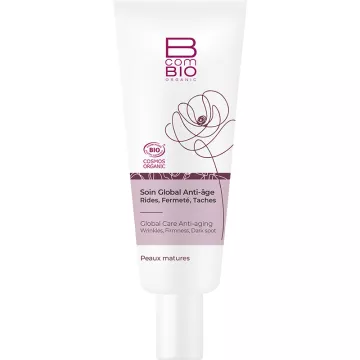
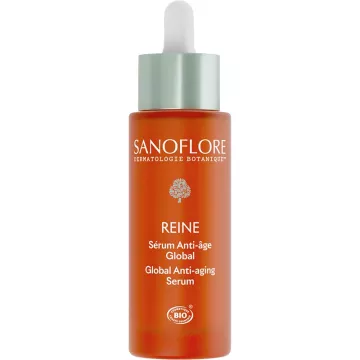
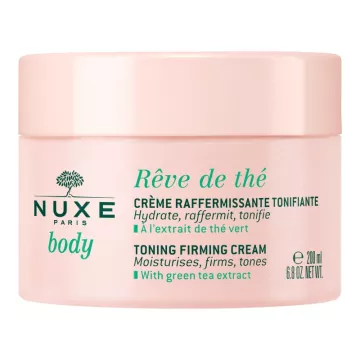
The combination of several active ingredients in a balanced formula is often more effective than a single, concentrated active ingredient. Our anti-aging skincare section at the pharmacy offers suitable products.
What non-invasive cosmetic procedures are available?
Several procedures can complement a skincare routine:
- Monopolar or multipolar radiofrequency: gradual skin-tightening effect through controlled heating of the dermis, with little or no downtime
- High-IntensityFocused Ultrasound (HIFU): targets deep structures (SMAS), with results appearing gradually over 3 to 6 months
- Microneedling with or without combined radiofrequency
- Fractional ablative or non-ablativelasers: improve skin texture and firmness
- Intense Pulsed Light (IPL): addresses dark spots and improves skin tone
- Superficial to mediumchemical peels (glycolic acid, mandelic acid, mild TCA)
- Mesotherapy: injections of revitalizing cocktails (vitamins, minerals, hyaluronic acid)
- Skin boosters: hyaluronic acid in microboluses to improve skin quality
- Resorbable thread lifts: gentle lifting of sagging tissue
- Volumizing injectable hyaluronic acid: fills in furrows and restores volume
- Calcium hydroxyapatite and poly-L-lactic acid: gradual stimulants
- LED therapy: red or yellow light as a complementary treatment
These procedures must be performed by a dermatologist or trained aesthetic physician. A preliminary consultation is required.
What are the benefits of radiofrequency?
Radiofrequency is one of the most widely used techniques for treating moderate skin laxity:
- Mechanism: controlled heating of the deep dermis, support for skin functions
- Non-invasive: no incisions, little to no downtime
- Versatility: can be used on the face, neck, décolletage, arms, abdomen, and inner thighs
- Mild side effects: temporary redness on the same day, which quickly subsides
- Results appear gradually over 3 to 6 months, often requiring several sessions spaced apart
- Moderate cost compared to surgical procedures
- No need to interrupt normalactivities
- Contraindications: pregnancy, breastfeeding, certain heart conditions, pacemakers, metal implants in the treatment area
The results are visible but moderate and are not a substitute for a surgical facelift in cases of significant sagging. A medical consultation will help determine whether this technique is suitable for you.
What are the risks of cosmetic surgery?
A surgical facelift remains the most effective approach for significant sagging but carries risks:
- Anesthetic risks (general anesthesia or enhanced local anesthesia)
- Hematomas: the most common complication, sometimes requiring surgical drainage
- Rareinfections treated with prophylactic antibiotics
- Injury to a branch of the facial nerve: usually temporary, more rarely permanent
- Altered skin sensation on the scalp and face
- Permanent scars (usually subtle but present)
- Hypertrophic scars or keloids in predisposed patients
- Asymmetry or unsatisfactory results requiring revision
- Skin necrosis in active smokers
- Hair loss around the scars
- Long recovery time (several weeks before resuming social activities, several months before the final result is achieved)
- Significant cost (rarely covered by health insurance unless for reconstructive purposes)
- Results are not guaranteed, and expectations are sometimes not met
A thorough consultation with a board-certified plastic surgeon is essential before making any decision. The legal 15-day cooling-off period between the estimate and the procedure is mandatory in France.
What impact do weight fluctuations have?
Weight fluctuations directly affect skin elasticity:
- Gradual weight gain: adaptive stretching of the skin
- Rapid weight loss: skin that does not retract sufficiently, resulting in visible sagging
- Yo-yo weight fluctuations: repeated stretching and contraction that permanently weaken the elastic fibers
- Successive pregnancies: cumulative abdominal stretching
- Bariatric surgery and significant weight loss: often significant sagging that may require plastic surgery
- Moderateseasonal fluctuations: limited impact
To minimize the impact:
- Gradual weight loss: 0.5 to 1 kg per week maximum
- A balanced diet rich in high-quality protein
- Concurrentmuscle strengthening (preserves lean body mass and subcutaneous support)
- Sustained oral and topicalhydration
- Skincare routine targeted at high-risk areas
- Circulatorymassages on stretched areas
- Regularphysical activity to support microcirculation
- Patience: the skin may partially retract over several months following a weight change
In severe cases, a consultation with a physician or cosmetic surgeon may lead to additional treatment options.
What natural approaches are helpful?
Several simple steps can help improve the skin’s visible appearance:
- A gentle facial massage for 5 to 10 minutes a day to boost microcirculation
- Upward strokes from the neck toward the face
- Cold roller or gua sha made of ceramic or jade: decongestant effect
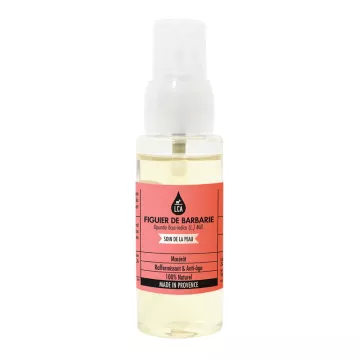
- Rosehip oil, used only in the evening
- Coconut or arganoil: nourishing
- Purealoe vera gel: soothing and moisturizing (test for 48 hours beforehand)
- Thermal water mist during the day for skin comfort
- Toningfloral waters (rose, cornflower)
- Gentlefacial exercises (“facial gym”): effectiveness varies by study; practice in moderation
- Occasionalgentle steam baths to prepare the skin for absorption of skincare products
Avoid: irritating home remedies (phototoxic lemon juice, undiluted vinegar, citrus essential oils), overly harsh exfoliants, and excessive manipulation that stretches the skin.
How to Choose the Right Treatment?
The choice of a treatment strategy depends on several factors:
- Extent and location of sagging (face, neck, body, large areas)
- Depth of sagging (superficial, moderate, pronounced)
- Age and hormonal status
- Skin type and condition (thickness, residual elasticity, natural hydration)
- Phototype: Darker skin tones are at higher risk of paradoxical hyperpigmentation following certain procedures
- General health and medical history
- Preferences for invasive or non-invasive approaches
- Tolerance for potential side effects
- Budget and availability for follow-up
- Realistic expectations regarding possible results
A dermatology or aesthetic medicine consultation is the recommended first step. A stepwise approach often begins with cosmetic skincare, supplemented as needed by non-invasive medical procedures, and reserves surgery for severe cases. For mature skin, a combined approach (topical treatments + diet + lifestyle + potential medical procedures) yields the most lasting results. Your pharmacist remains a valuable resource for guiding your daily skincare routine in line with your overall strategy.