Peptides are short chains of amino acids (2 to 50 amino acids) derived from the hydrolysis of proteins. As bioactive fragments recognized by cellular receptors, they act as biological messengers that trigger specific cellular responses. In the health and beauty sector, two applications dominate: cosmetic peptides (fibroblast stimulation, anti-aging) and hydrolyzed collagen peptides (joint and skin nutrition).
What is a peptide?
A peptide is a chemical bond between two or more amino acids via a peptide bond. In ascending order of size: dipeptide (2 amino acids), tripeptide (3 amino acids), oligopeptide (< 10 amino acids), polypeptide (10–50 amino acids). Beyond that, we refer to them as proteins. Size determines skin penetration: low-molecular-weight peptides (< 1,000 Da) pass through the stratum corneum and reach dermal fibroblasts—a key criterion for active skincare. Hydrolyzed collagen peptides (1,000–3,000 Da) are absorbed by the intestine and deliver precursor amino acids to target tissues.
Cosmetic Peptides: How Do They Work?
Cosmetic peptides are classified according to their mechanism of action on skin cells.
- Signal peptides: stimulate fibroblasts to produce more collagen, elastin, and hyaluronic acid—e.g., palmitoyl tripeptide-1, palmitoyl pentapeptide-4
- Carrier peptides: transport essential cofactors (copper, manganese) to fibroblasts to optimize collagen synthesis
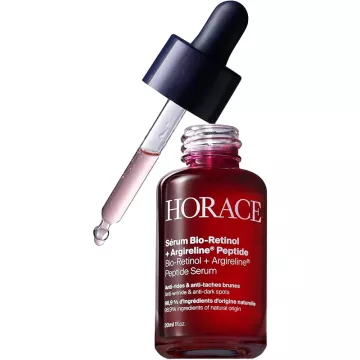
- Neurotransmitter peptides: inhibit muscle contraction by mimicking botulinum toxin—reduce expression lines (e.g., argireline [acetyl hexapeptide-3])
- Matrikin peptides: fragments of degraded collagen that signal cells to renew the extracellular matrix
- Discover our anti-aging serums and facial serums with bioactive peptides
Collagen peptides: joint and skin nutrition?
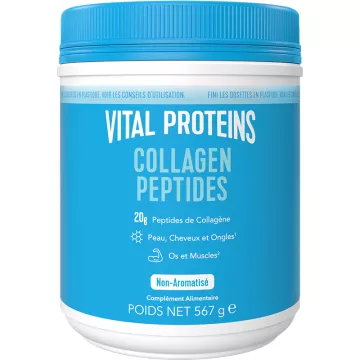
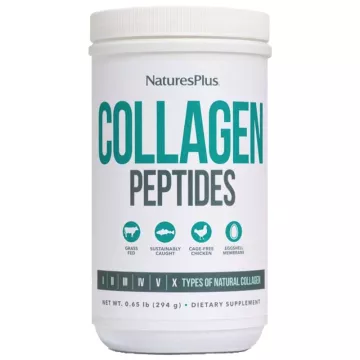
Hydrolyzed collagen peptides are the most extensively studied nutraceutical form in the joint health field.
- Absorbed intact into the bloodstream after ingestion, they are preferentially distributed to cartilage and skin
- In cartilage: stimulate chondrocytes to synthesize the cartilage matrix—supporting joint comfort—see collagen for joints
- In the skin: they trigger a fibroblastic response that increases the production of endogenous collagen, elastin, and hyaluronic acid—promoting elasticity and firmness
- Marine collagen: very low molecular weight peptides, the gold standard for beauty formulas
- Vitamin C is essential in combination (EFSA-recognized cofactor for collagen synthesis)
Peptides and sports: recovery and performance?
Peptides derived from dietary proteins play a role in muscle recovery and tendon health.
- Whey and hydrolyzed protein peptides are absorbed more quickly than whole proteins—optimized anabolic window
- Collagen peptides + vitamin C taken before exercise are being studied for their support of tendons and ligaments
- Supports athletic recovery when combined with MSM
- Protein contributes to the growth and maintenance of muscle mass (EFSA claim)
How to choose your peptides?
Selection criteria vary depending on the intended use (cosmetic or nutraceutical).
- Cosmetic: check the peptide’s INCI name (palmitoyl tripeptide, acetyl hexapeptide, etc.), concentration, and position in the ingredient list
- Nutraceutical (collagen): molecular weight in Daltons (< 3,000 Da ideally), source (marine = type I, bovine = types I+III), purity, and absence of heavy metals
- Synergistic combinations: collagen peptides + hyaluronic acid + vitamin C for comprehensive action
- Avoid formulas with too many additives—a high-quality active peptide does not require masking agents
- Consult a healthcare professional before starting any treatment if you are currently undergoing medical treatment
Peptides and Sensitive Skin?
Cosmetic peptides are one of the few classes of anti-aging active ingredients suitable for sensitive and reactive skin.
- Unlike retinoids or AHAs, they do not cause peeling or irritation
- They strengthen the skin barrier and help soothe dry and reactive skin
- Compatible with soothing skincare ingredients (ceramides, hyaluronic acid) in sensitive skin routines
- Not recommended for injection without medical supervision—topical and oral forms are available at drugstores