What is loss of skin firmness, and why does it occur?
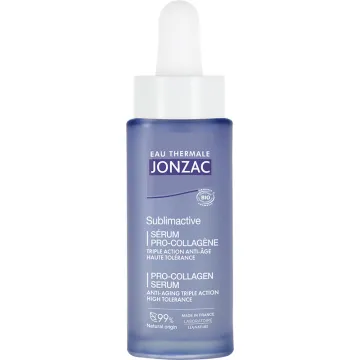
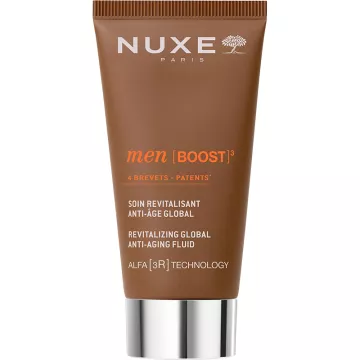
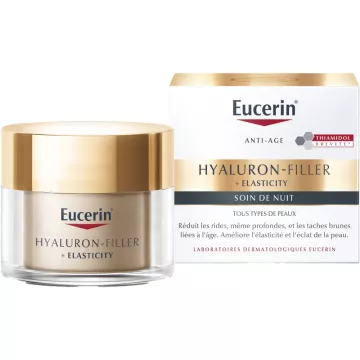
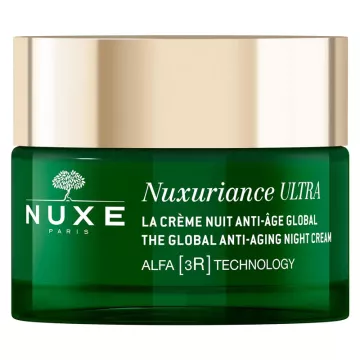
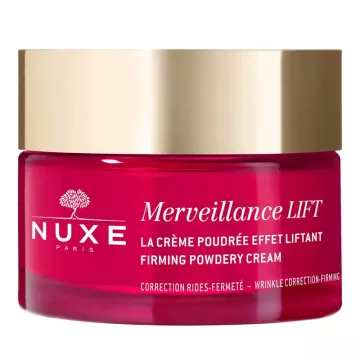
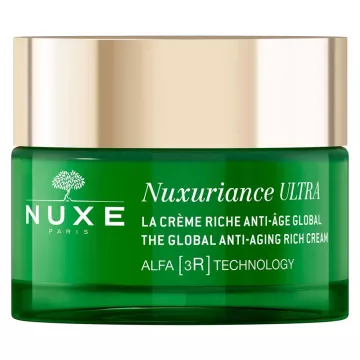
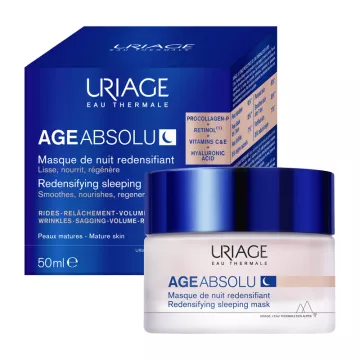
Loss of skin firmness —or sagging skin—is characterized by a decrease in the skin’s elasticity and tone due to the gradual breakdown of collagen and elastin fibers in the dermis. These fibers form the skin’s structural framework: as they break down, the skin loses its bounce, contours become less defined, and the texture becomes thinner and less dense. Anti-aging skincare products and firming body creams are available in the store, along with anti-aging serums.
- Chronological aging: starting at age 25, collagen synthesis decreases by about 1% per year—by age 50, 25% of collagen reserves are lost—elastin production slows, and existing fibers gradually break down
- Photoaging (helioderma): a major accelerating factor—UVA and UVB rays activate matrix metalloproteinases (MMPs), which directly break down collagen and elastin—unprotected areas (décolleté, forearms, neck) age faster than covered areas on the same person
- Hormonal changes: Menopause leads to a drop in estrogen, which previously stimulated collagen synthesis—a loss of approximately 30% of skin collagen within the first 5 years after menopause
- Smoking: activation of MMPs + reduction in cutaneous microvascularization + production of acrolein, which directly oxidizes elastic fibers
- Other factors: genetics (phototype, inherited dermal thickness) — a high-glycemic-index diet (glycation of skin proteins) — chronic stress (cortisol inhibits fibroblasts) — rapid weight loss (loss of supportive adipose tissue without skin adaptation)
Which cosmetic ingredients and supplements support skin firmness?
- Cosmetic retinol: the best-documented anti-aging active ingredient — stimulates fibroblasts to produce more type I and III collagen — accelerates cell turnover — use only at night, photosensitizing, introduce gradually (0.025%, then 0.05%, then 0.1%), contraindicated during pregnancy and breastfeeding
- Bioactivepeptides: signal fibroblasts to increase collagen production — firming peptides with an immediate optical lifting effect — signaling peptides with deep, long-term action (Matrixyl 3000, Argireline) — excellent tolerance profile, suitable for sensitive skin that cannot tolerate retinol
- Vitamin C: an essential cofactor for the hydroxylases involved in collagen synthesis — a powerful antioxidant — improves the quality of newly formed fibers — stable forms (ascorbyl glucoside, tetrahexyldecyl ascorbate) recommended for cosmetic formulations
- Hyaluronic acid: plumps and replenishes the dermis by retaining water — high molecular weight (surface film) + low molecular weight (epidermal penetration) in combination — gives the skin a plumper appearance
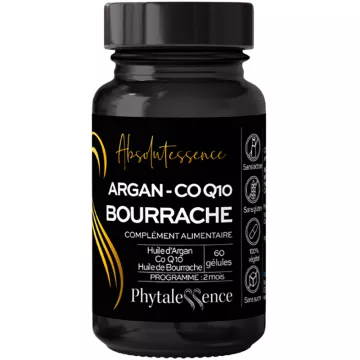
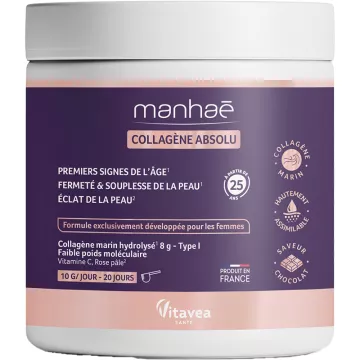
- Oralhydrolyzed collagen: collagen peptides, 2.5 to 10 g/day — randomized controlled trials showing improved skin elasticity over 8 to 12 weeks — vitamin C is essential for its absorption — Centella asiatica as a supplement (fibroblast stimulation)
What complementary techniques and routine should be used to prevent sagging?
- Sun protection SPF 30 to 50+: preventive measure #1 — apply daily, even on cloudy days — to the décolletage, neck, and forearms (areas often overlooked) — preventing photoaging is more effective than any subsequent repair
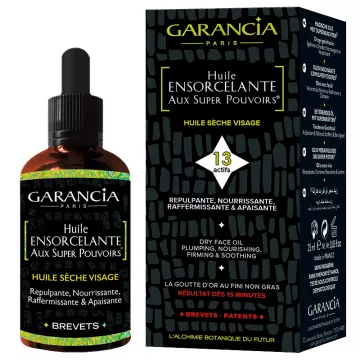
- Massages and drainage tools: gua sha massages (quartz/jade) using upward strokes—jade rollers and firm effleurage massages—stimulate microcirculation and lymphatic drainage—reduce vascular stasis, which contributes to sagging—combine with a serum or skincare oil
- Medical technologies in the lifting treatment range — HIFU (High-Intensity Focused Ultrasound): SMAS contraction and deep collagen stimulation — radiofrequency: heat in the deep dermis — microneedling with or without RF — gradual results over 3 to 6 months — always performed by a cosmetic physician or dermatologist — preliminary consultation required
- Daily body routine: apply firming cream after showering to slightly damp skin (facilitates the penetration of lipid-based active ingredients) — regular physical exercise (150 min/week of moderate-intensity activity — WHO) — strength training to preserve subcutaneous muscle mass for support — 7 to 9 hours of sleep (peak nighttime GH secretion stimulates collagen synthesis)