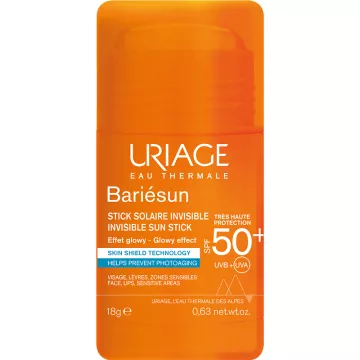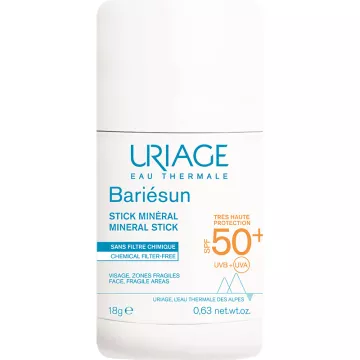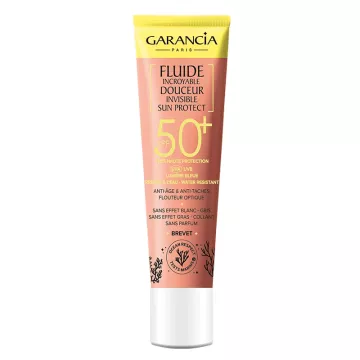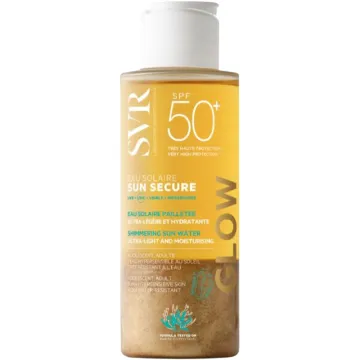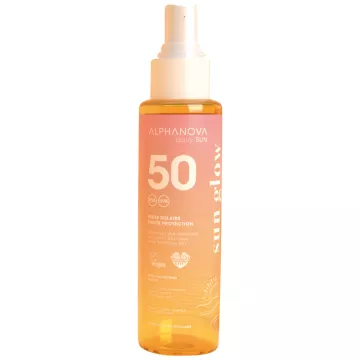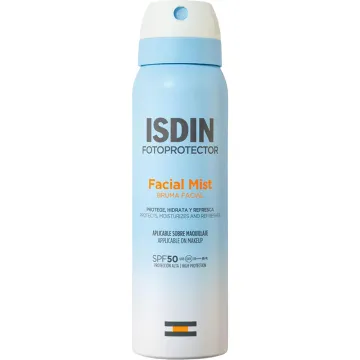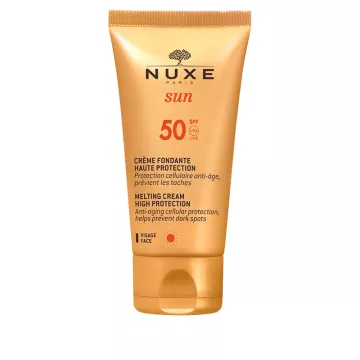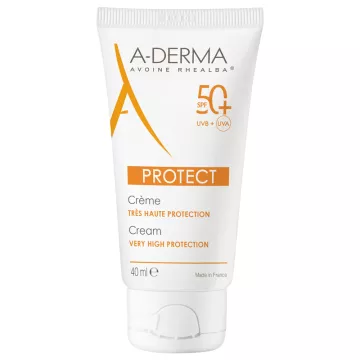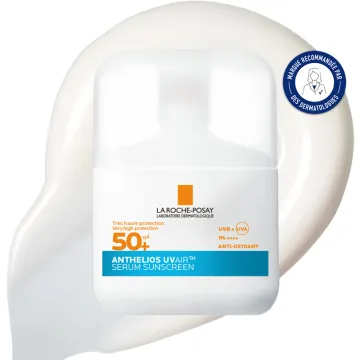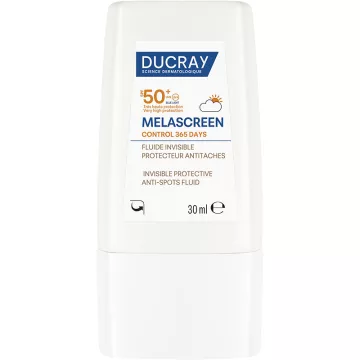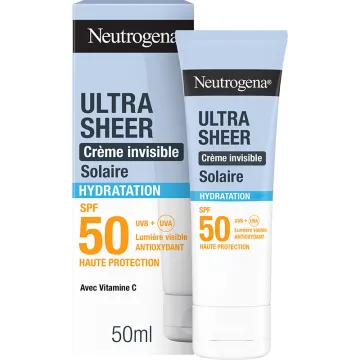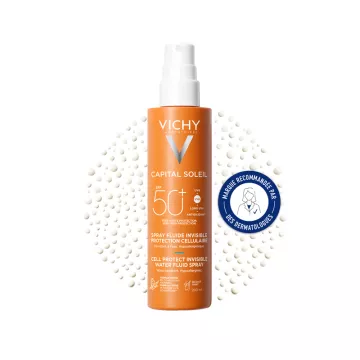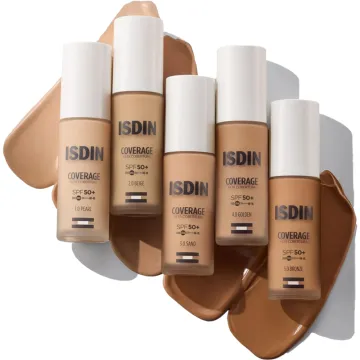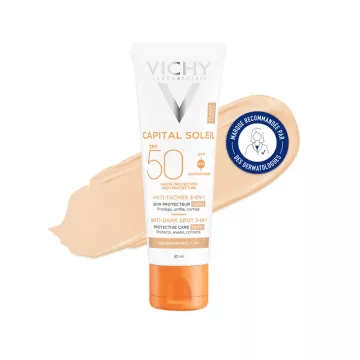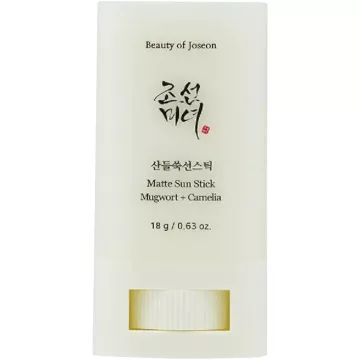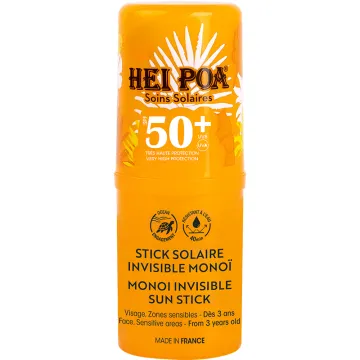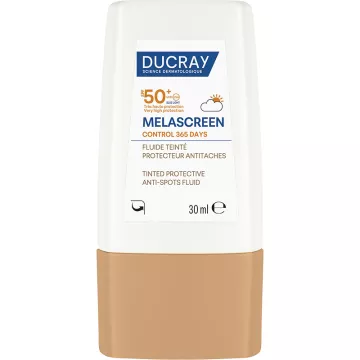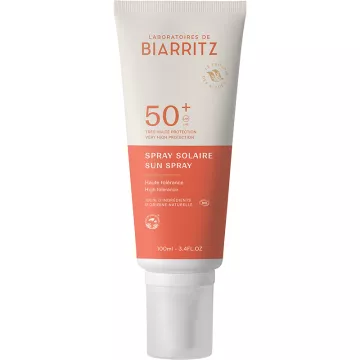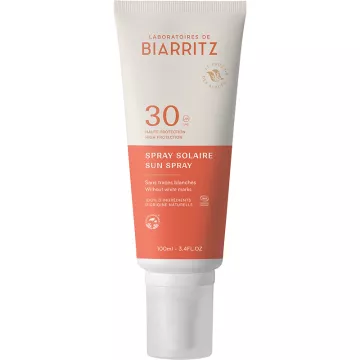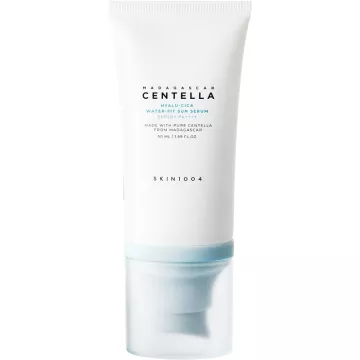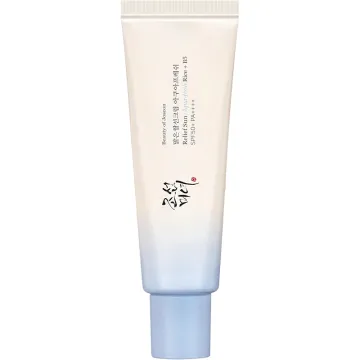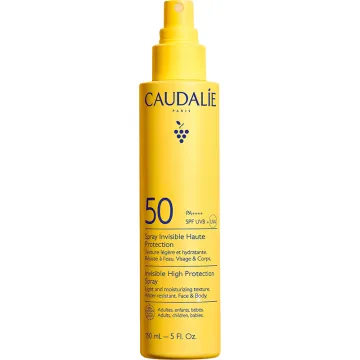
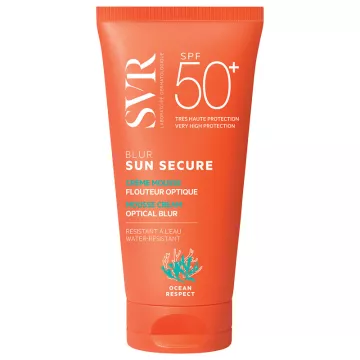

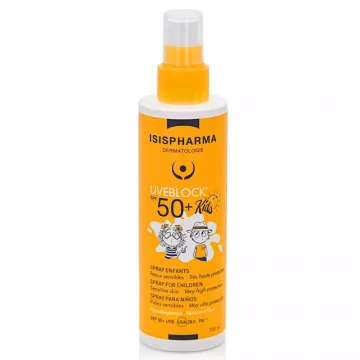
High sun protection refers to products with a high sun protection factor (SPF), typically 30 or higher, that offer enhanced protection against ultraviolet rays.
These products are essential for limiting long-term skin damage, such as sunburn, photoaging, pigmentation spots, and an increased risk of skin cancer (WHO and INCa consensus).
An SPF of 30 remains the recommended minimum for regular sun exposure; an SPF of 50 or higher is essential for fair-skinned individuals, children, and prolonged exposure in the mountains, at the beach, or in tropical climates.
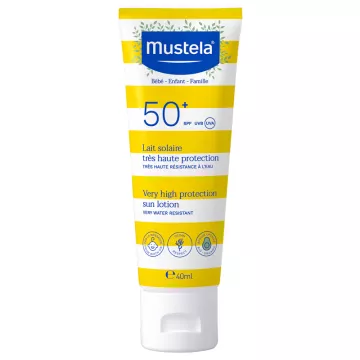
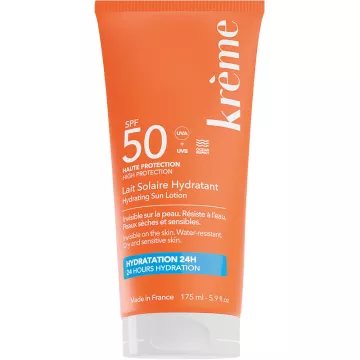
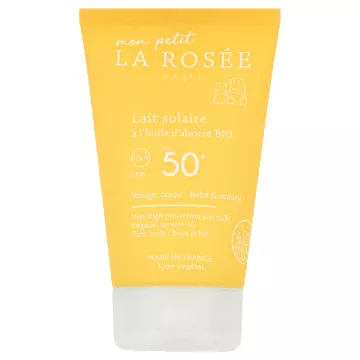
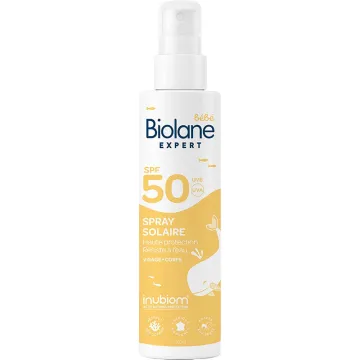
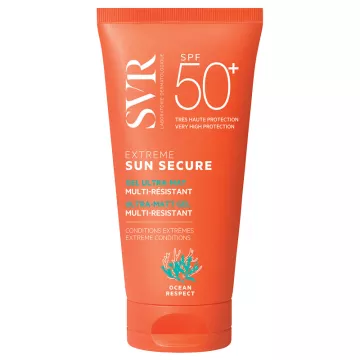
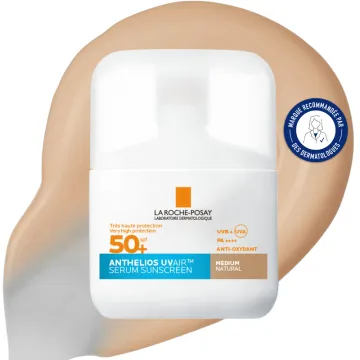
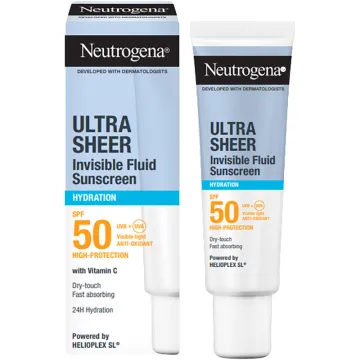
Discover our complete selection of SPF 50 high-protection products, approved by our pharmaceutical team.
High-protection sunscreens work through two complementary mechanisms.
Mineral filters (zinc oxide, titanium dioxide) form a physical barrier on the skin’s surface that reflects UV rays before they penetrate the skin.
Chemical filters (octocrylene, avobenzone, etc.) absorb UV rays at the skin’s surface and convert them into heat that dissipates, thereby neutralizing their harmful effects.
Modern formulations often combine these two approaches to provide robust and consistent protection against UVA and UVB rays across the entire solar spectrum.
Choosing an effective high-protection sunscreen depends on several specific technical criteria:
Browse our complete sun protection section to find the product best suited to your needs.
For optimal protection, apply your sunscreen generously and evenly to all exposed areas.
Don’t forget any areas: face, ears, nape of the neck, neck, backs of the hands, tops of the feet, bald spots on the scalp, and lips.
Apply the product 30 minutes before sun exposure so that the filters can properly adhere to the skin and form an effective protective barrier.
Reapply every two hours, as well as immediately after swimming, heavy sweating, or towel-drying.
Several common mistakes compromise the actual effectiveness of sunscreen:
There are formulations suited to every skin type, including the most sensitive.
For sensitive or acne-prone skin, choose non-comedogenic, hypoallergenic products with mineral filters.
For reactive or allergic skin, also check out our sensitive skin care section.
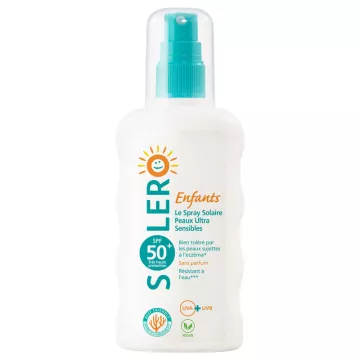
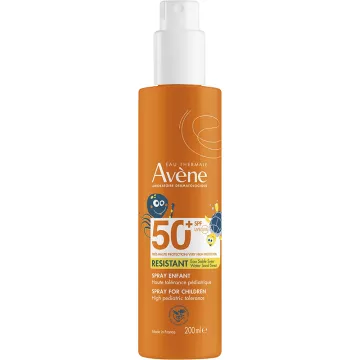
For the delicate skin of children, choose ranges specifically formulated for them: children’s sunscreen, which offers double protection and is well-tolerated.
High-protection sunscreen fits perfectly into a complete skincare routine.
First, apply your usual skincare products (serum, moisturizer, anti-aging), let them absorb for a few minutes, then finish by applying sunscreen as the final step.
This sequence ensures that the protective barrier forms properly on the skin, without being diluted or compromised by the previous skincare products.
In the evening, complete your routine with a soothing after-sun treatment to repair and moisturize the skin.
Allergic reactions to sunscreen do occur but are generally rare.
They are most often caused by certain chemical filters (oxybenzone, octocrylene) or by fragrances and preservatives in the formula.
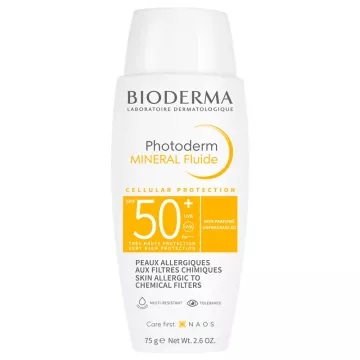
For sensitive or allergy-prone skin, opt for mineral filters (zinc oxide, titanium dioxide), which are better tolerated and less likely to trigger a reaction.
Always perform a skin test on the inside of your elbow 48 hours before using a new product on a large area of skin; if you experience a reaction, consult your pharmacist or a dermatologist.
Broad-spectrum sunscreen protects against both UVA and UVB rays.
UVA rays penetrate deeply into the dermis and are primarily responsible for skin aging, wrinkles, and long-lasting pigment spots.
UVB rays act on the skin’s surface and cause sunburn, playing a key role in the development of skin cancer.
Since 2006, European regulations have required that a product meet a minimum UVA/SPF ratio of 1/3 in order to be labeled “sunscreen”; as a result, products that exclusively block UVB rays have become very rare in France.
To assess a sunscreen’s effectiveness, check several key details on the packaging.
The SPF rating measures protection against UVB rays: SPF 30 = 97% of UVB rays filtered, SPF 50+ = approximately 98% of UVB rays filtered.
The term “broad spectrum” or the presence of the UVA logo inside a circle confirms additional protection against UVA rays.
Choose products recommended by dermatologists and validated by recognized organizations, and always apply the recommended amount to achieve the stated SPF level.
Using high-protection sunscreen is recommended year-round, not just during the summer.
UVA rays remain intense in all seasons and penetrate clouds and glass, causing cumulative damage that is invisible in the short term.
Daily protection of the face and exposed areas provides long-term prevention against premature aging and UV-related cellular damage.
This habit becomes particularly important at high altitudes (in the mountains), at the beach, on snow (where there is strong reflection), or during repeated occupational exposure.