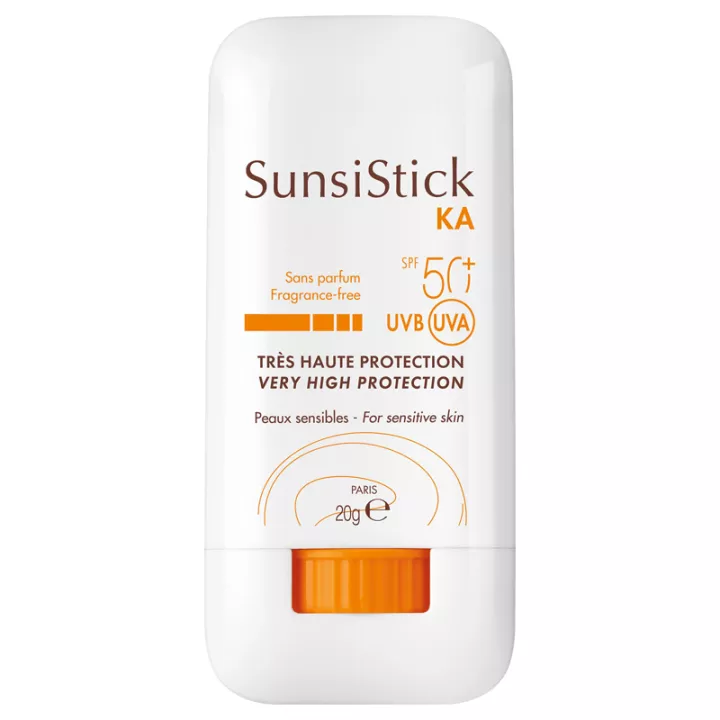
What is Avène Solaire Sunsistick KA SPF 50+ 20g used for?
Avène Solaire Sunsistick KA SPF 50+ is a veryhigh-protection sunscreenstick designed forspecific sensitive areas (forehead, nose, cheekbones, scalp, backs of the hands, etc.) for the whole family. It is specially formulated forskin that is hypersensitive to the sun, to help prevent actinic keratoses, skin cancers (excluding melanomas), and photoaging.
Its high sun protection is due to a unique complex of active ingredients, developed through Pierre Fabre research, comprising:
- A stable and long-lasting filter system for very broad-spectrum UVB-UVA protection.
- A unique antioxidant complex (PRE-TOCOPHERYL + THIALIDINE) for comprehensive cellular protection against oxidative stress.
Ultra-resistant to water and sweat, it has a non-greasy texture that leaves a sheer finish on the skin.
This sunscreen stick is ideal for protecting sensitive areas such as the forehead, nose, cheekbones, scalp, and the backs of the hands. Its highly protective formula effectively prevents actinic keratoses, skin cancers (excluding melanomas), and photoaging, thus offering comprehensive protection against sun damage. Sunsistick KA SPF50+ is formulated with a stable, long-lasting filter system that ensures very broad-spectrum UVB-UVA protection. In addition to this advanced sun protection, it contains a unique antioxidant complex composed of pre-tocopheryl and thialidine. This combination offers comprehensive cellular protection against oxidative stress, helping to prevent damage caused by free radicals.
This sunscreen stick is ultra-water- and sweat-resistant, guaranteeing long-lasting protection even during water activities or sports. Its non-greasy texture allows for easy application and provides a transparent finish on the skin, ensuring optimal comfort throughout the day. Thanks to its high tolerance and formula designed for skin that is hypersensitive to the sun, the Sunsistick KA SPF50+ is suitable for the whole family, from adults to children. Its convenient stick format makes it easy to carry and apply, making it an ideal companion for all your outdoor activities.
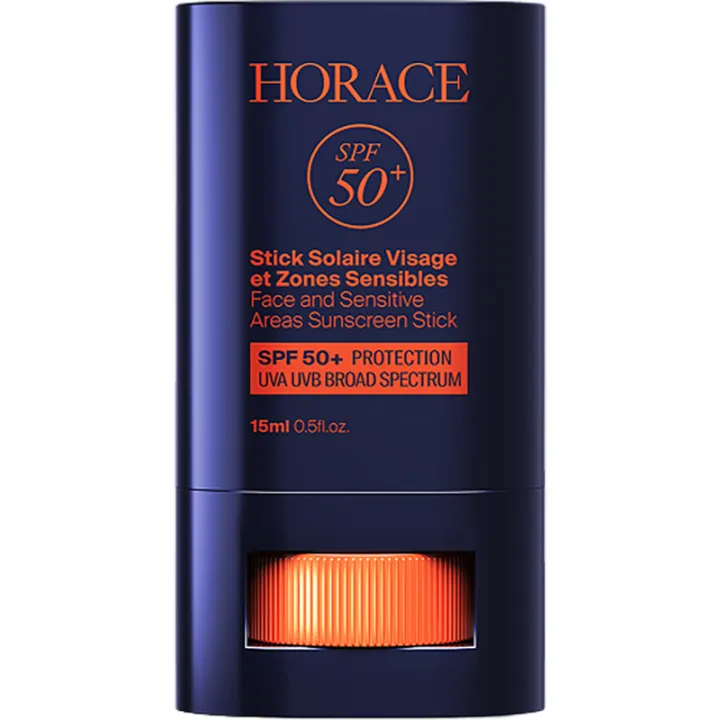
We also offer Biarritz Organic Sunscreen Stick for Athletes SPF50+ 12 g at the best price in our online pharmacy.
How do you use this ultra-high-protection sunscreen stick?
- Apply evenly every morning to the face and areas of the body exposed to the sun throughout the day.
- For recommended application amounts, please read the package insert carefully.
- Reapply in case of prolonged sun exposure, heavy sweating, or contact with water.
- Avoid direct sun exposure by wearing protective clothing (hat, sunglasses, T-shirt, etc.).
Share your feedback on the usage instructions and dosage for Avène Solaire Sunsistick KA SPF 50+ 20g with our partner Verified Reviews after your purchase.
Precautions for Use
Do not apply to mucous membranes or broken skin.
What are the ingredients?
Octyldodecanol, polyethylene, butylene glycol cocoate, hydrogenated microcrystalline wax, bis-ethylhexyloxyphenol methoxyphenyl triazine, diethylamino hydroxybenzoyl hexyl benzoate, diethylhexyl butamido triazone, butyl methoxydibenzoylmethane, ethylhexyl salicylate, beeswax (cera alba). hydrogenated castor oil. Avène thermal spring water (Avène aqua). aluminum hydroxide. butylene glycol. caprylic/capric triglyceride. disodium stearoyl glutamate. methyl methacrylate crosspolymer. oxothiazolidine. saccharin. sodium benzoate. titanium dioxide (CI 77891). tocopheryl glucoside. water (aqua).
Product Description - Packaging
20g stick
Our Tips and Advice from Natural Health Experts
What is actinic keratosis?
Actinic keratoses form small, raised lesions (red spots or bumps, small scabs) on areas of skin exposed to light and often occur in clusters. They appear on exposed areas and are most common in patients with fair skin. Actinic keratoses must be prevented and treated, as they can develop into skin cancer.
What causes actinic keratoses?
Actinic keratoses are caused by excessive and chronic exposure to ultraviolet (UV) rays. The source of UV rays can be direct sun exposure for recreational purposes, occupational activities, or tanning. Ultraviolet radiation can also come from the use of UV cabins, tanning beds, or sunbeds. The development of actinic keratoses requires chronic exposure over several years. This is why actinic keratoses generally appear in older adults. People with a light phototype (fair skin, blond or red hair, blue eyes, freckles) who tan with difficulty and burn easily are at higher risk of developing actinic keratoses and, consequently, squamous cell carcinoma of the skin.