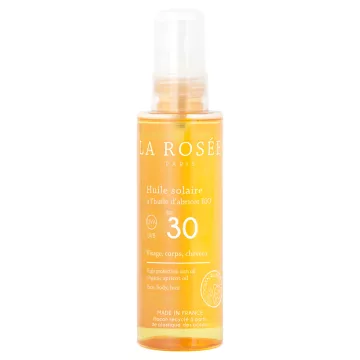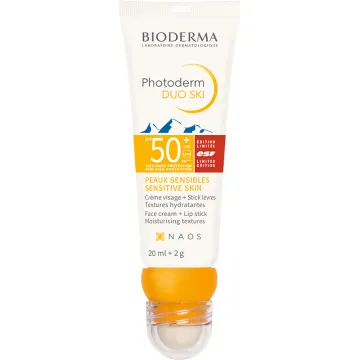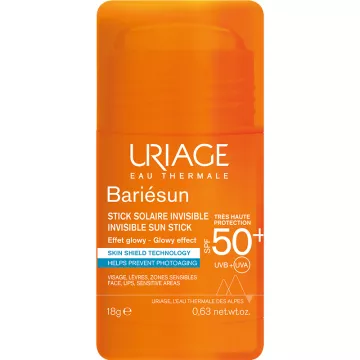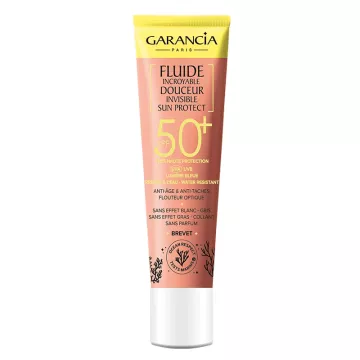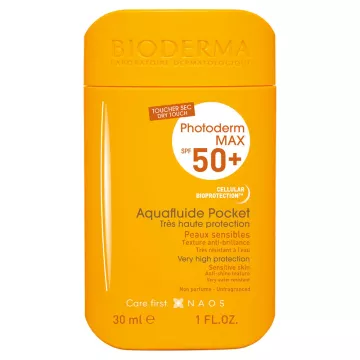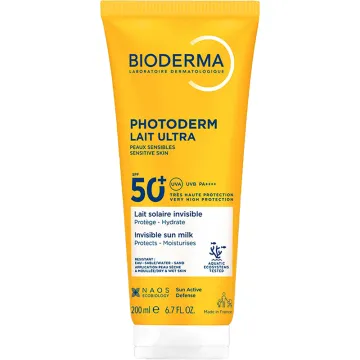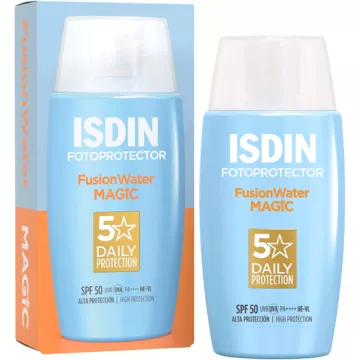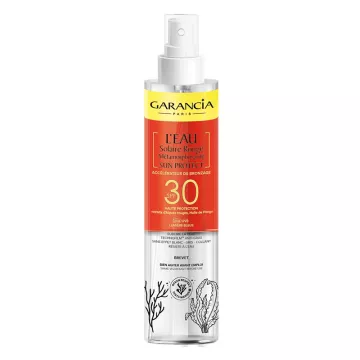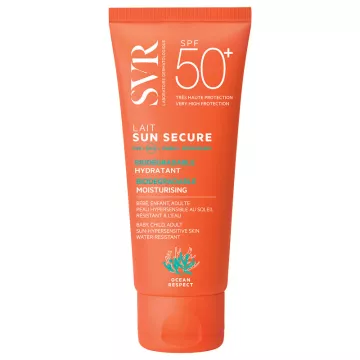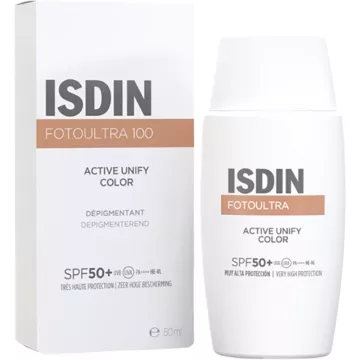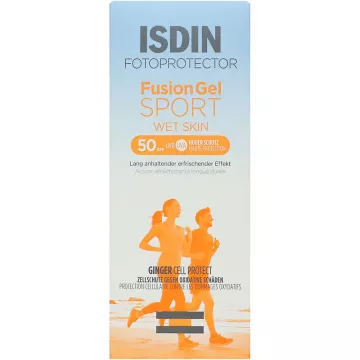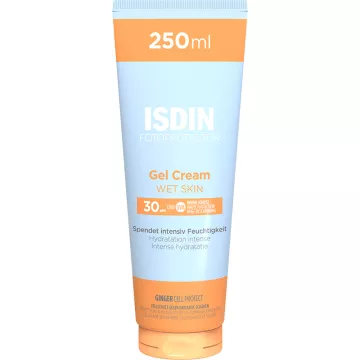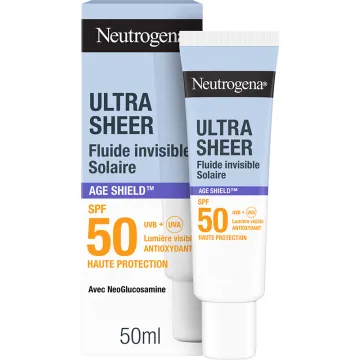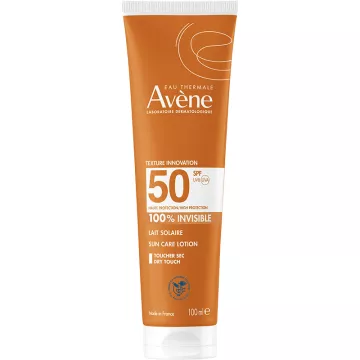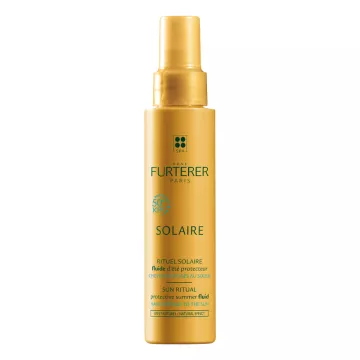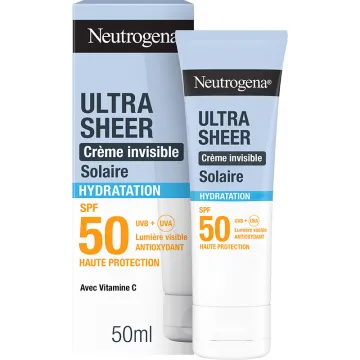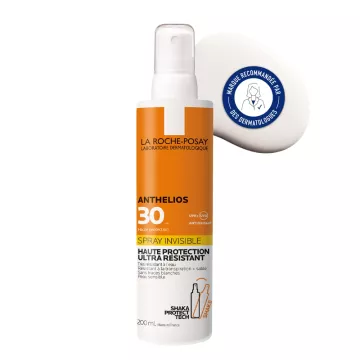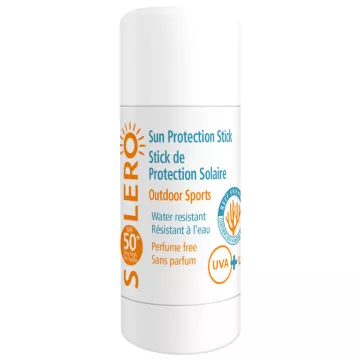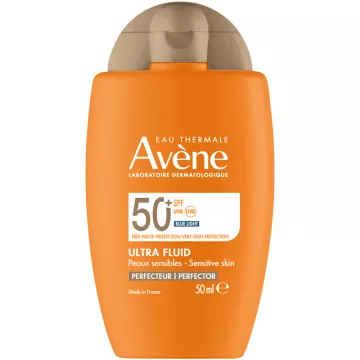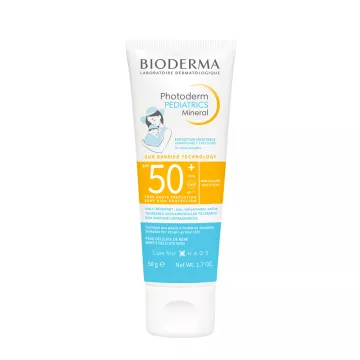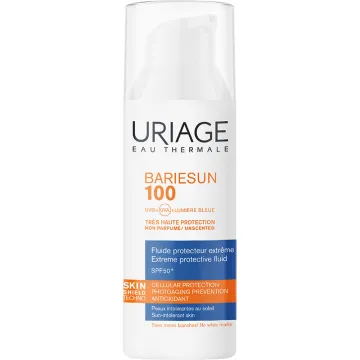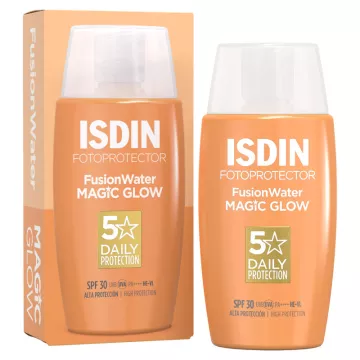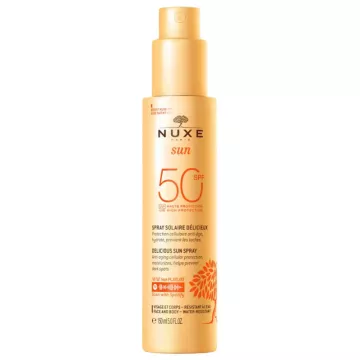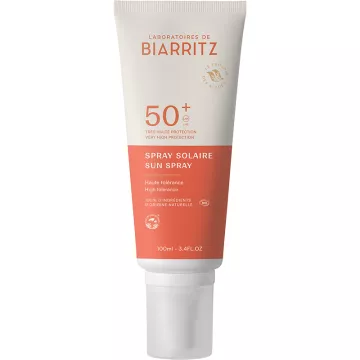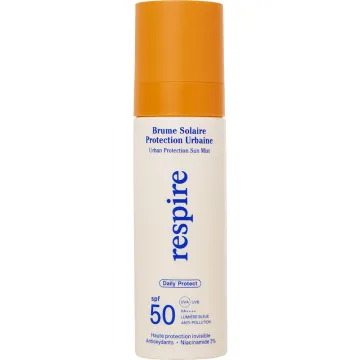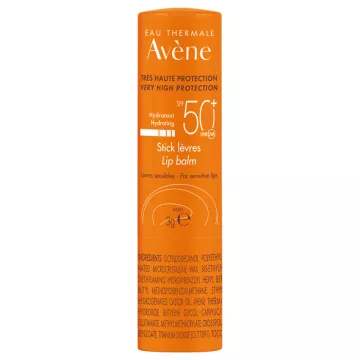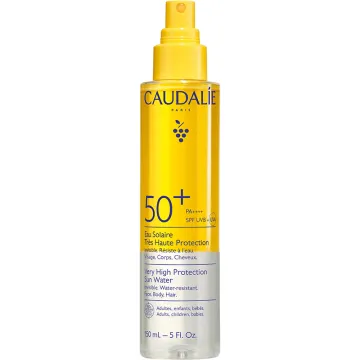


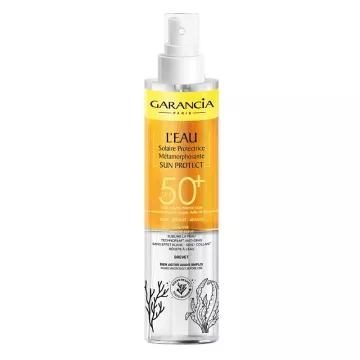

Sun protection encompasses all products and practices designed to protect the skin from the ultraviolet (UV) rays emitted by the sun.
These rays, classified as UVA and UVB, can cause cumulative skin damage: visible sunburn, photoaging, pigment spots, and an increased risk of skin cancer (melanoma, basal cell carcinoma, squamous cell carcinoma).
Effective sun protection is now considered by dermatologists to be one of the most important preventive health measures.
Beyond medical prevention, it preserves the skin’s collagen and helps limit the appearance of visible signs of aging caused by sun exposure.
UVA rays (315–400 nm) penetrate deep into the dermis and are primarily responsible for photoaging and certain sun allergies; they are present year-round, even on cloudy days or through glass.
UVB rays (280–315 nm) stop at the epidermis and are primarily responsible for red, painful sunburn; their intensity varies greatly depending on the time of day, season, and latitude.
Both types contribute to skin aging and the long-term risk of skin cancer.
A broad-spectrum sunscreen, bearing the circled UVA logo on the packaging, is therefore essential for complete protection.
To choose the right sunscreen, consider your skin type:
For SPF: SPF 30 minimum for daily use; SPF 50 or 50+ for prolonged exposure, fair skin, children, or a personal history of sunburn.
SPF (Sun Protection Factor) measures the level of protection a product provides against UVB rays.
SPF 15 blocks about 93% of UVB rays; SPF 30, about 97%; SPF 50, about 98%; and SPF 50+, up to 98.3%.
The difference between higher SPF levels is small in percentage terms but significant in cases of prolonged exposure or on at-risk skin.
No product guarantees total (100%) protection; regular reapplication and the amount applied remain the key factors determining actual effectiveness.
For optimal protection:
The amount actually applied by most users is generally 2 to 4 times less than the effective dose: applying generously is essential.
Insufficient or irregular application significantly reduces the effectiveness of sunscreen and exposes you to several risks:
Regular dermatological checkups are recommended for people with fair skin, a family history of skin cancer, or numerous moles.
UVA rays are present year-round, even on cloudy days and through windows: applying sunscreen daily provides cumulative benefits.
It protects the skin against the invisible but cumulative damage caused by UVA rays, the main factor in photoaging.
It reduces the appearance of pigment spots and the risk of existing spots worsening (solar lentigines, melasma).
It visibly promotesan even skin tone and radiance, and is one of the best-documented anti-aging practices.
An effective sunscreen generally combines several families of active ingredients:
Check for the circled UVA logo and the “broad spectrum” label on the packaging.
Sunscreen can definitely be incorporated into a makeup routine.
Always apply a dedicated sunscreen first (after your moisturizer), then apply your makeup on top.
BB creams or foundations with built-in SPF are convenient options, but the amount applied is generally insufficient to achieve the claimed SPF level (you typically apply only 1/4 to 1/2 of the actual amount needed). During prolonged sun exposure, never rely solely on the SPF built into your makeup.
For touch-ups during the day, compact sunscreen powders or SPF sprays replenish protection without smudging your makeup.
Several chemical filters (notably oxybenzone, octinoxate, and octocrylene) are currently under scrutiny for their impact on marine ecosystems, particularly coral reefs.
In fact, several jurisdictions (Hawaii, Palau, Bonaire, Aruba, and certain Thai and Mexican islands) have banned oxybenzone and octinoxate in sunscreen products.
To minimize your impact, choose eco-friendly sunscreen products that do not contain the controversial filters, are certified “marine-friendly,” use non-nano mineral filters, and come in eco-designed packaging.
The issue of nanoparticles (particularly titanium dioxide and zinc oxide in nanoform) remains an active area of research: look for “non-nano” labels on the packaging.