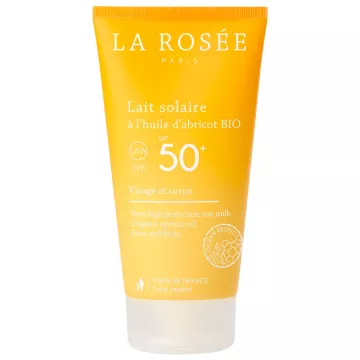
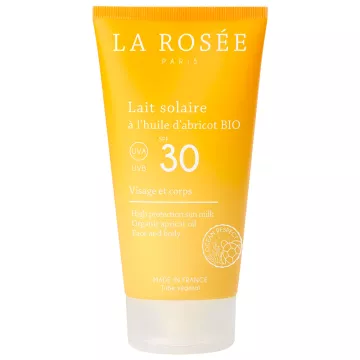
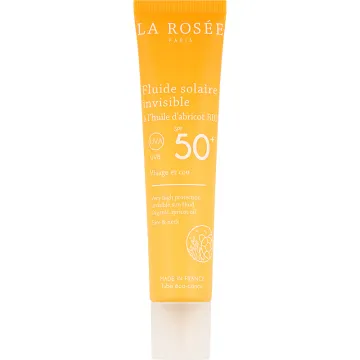
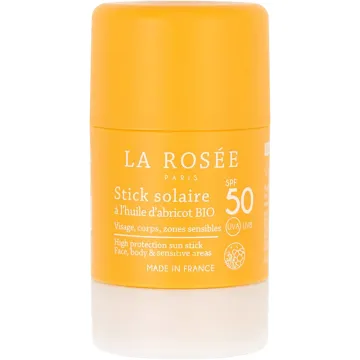
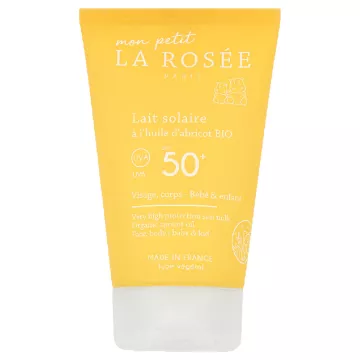
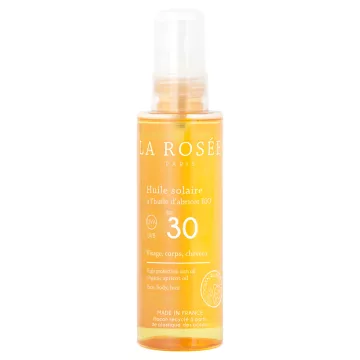
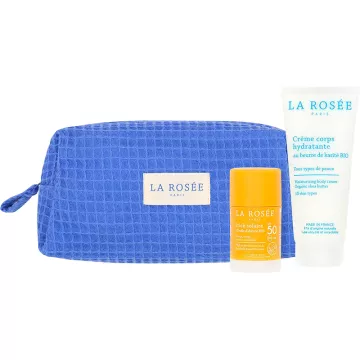
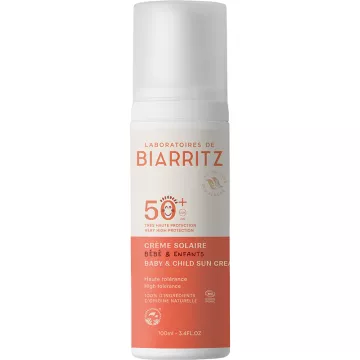
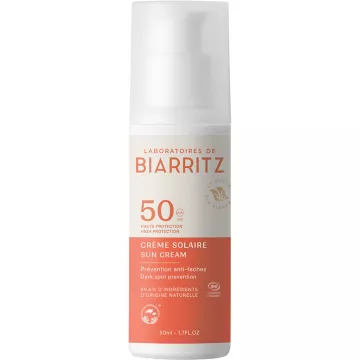
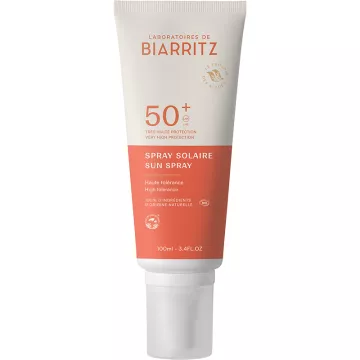
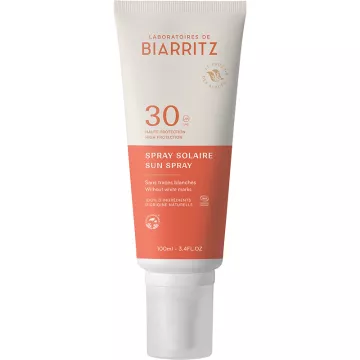
Organic sunscreen refers to sun protection products formulated primarily with ingredients derived from organic farming and using mainly mineral filters.
Unlike conventional sunscreens, which may combine organic (sometimes called “chemical”) filters authorized and regulated by European Regulation (EC) No. 1223/2009, organic sunscreens prioritize mineral filters such as zinc oxide or titanium dioxide.
They follow the same approach as certified organic cosmetics, with strict criteria regarding composition and the absence of controversial ingredients.
They thus provide effective sun protection by prioritizing non-nano filters and ingredients that are gentle on the skin and environmentally friendly.
Using organic sunscreen offers several combined benefits:
To choose the right organic sunscreen, several factors are key:
Organic sunscreen with mineral filters is just as effective at protecting the skin from UV rays when applied under optimal conditions.
Mineral filters work by reflecting and scattering UV rays, whereas organic filters (incorrectly referred to as “chemical”) absorb and transform them; both approaches are effective if the formula is well-designed and a sufficient amount is applied.
A distinctive feature of mineral filters: the texture is sometimes whiter or thicker, so care must be taken when applying it to ensure even coverage.
Reapplication every 2 hours and after swimming, sweating, or drying off with a towel is essential, regardless of the formula.
Organic sunscreens with mineral filters are often recommended for children due to their simplified, well-tolerated formulation.
Infants under 6 months: no direct exposure to the sun. An infant’s skin is immature, and sunscreens are not always suitable; consult a pediatrician first.
From 6 months onward: Choose pediatric formulas explicitly designed for children, with SPF 50 or 50+, and reapply regularly.
Always combine sunscreen with additional protective measures: UV-protective T-shirts, wide-brimmed hats, sunglasses, shade between noon and 4 p.m. in the summer, and adequate hydration.
Organic sunscreens are available at pharmacies, drugstores, specialty organic stores, and reputable retailers.
Pharmacies offer a significant advantage: a carefully curated selection, professional advice, and guaranteed traceability for the products they carry.
Be sure to check for a recognized organic certification on the packaging and an explicit statement of the SPF and protection spectrum.
Be wary of unusually low prices or opaque online platforms, which may indicate counterfeit or expired products.
Check the certification directly on the packaging: this is the only reliable guarantee of compliance with organic cosmetics standards.
The most widely recognized labels in Europe: Ecocert, COSMOS Organic, Cosmébio, Natrue, BDIH.
Internationally: USDA Organic (United States) is a recognized standard.
These labels guarantee specific thresholds for organic ingredients, the absence of controversial ingredients, and strict criteria for manufacturing processes, in accordance with organic specifications.
Organic sunscreen with antioxidant active ingredients provides a dual, complementary action.
First, UV protection: sun exposure is one of the main factors contributing to premature skin aging (photoaging) and an increased risk of skin cancer.
Second, antioxidant ingredients such as stabilized vitamin C, green tea, or vitamin E help visibly reduce the signs of aging by protecting the skin against free radicals.
**Caution regarding retinol**: as it is photosensitizing, it should be applied ONLY in the evening and has no place in a daytime sunscreen. A high-quality organic “anti-aging” sunscreen relies on plant-based antioxidants and stabilized vitamin C, not on retinol.
Several organic sunscreens are formulated to be water-resistant, making them practical for water sports or intense physical activity.
These formulas often include natural waxes (candelilla, beeswax) and plant-based oils to create a more durable film.
The regulatory labels are specific: “water-resistant” (2 immersions of 20 minutes) or “very water-resistant” (4 immersions of 20 minutes).
Even if it’s water-resistant, an organic sunscreen must be reapplied after prolonged swimming, towel-drying, or heavy sweating.
Organic sunscreens based on mineral filters (zinc oxide, titanium dioxide) offer protection that takes effect immediately after application.
Unlike organic filters, which take 15 to 20 minutes to reach full effectiveness, mineral filters reflect and scatter UV rays as soon as they are on the skin.
However, it is still recommended to apply the sunscreen 15 minutes before sun exposure to ensure proper absorption and even coverage.
The amount applied is crucial: approximately 2 mg/cm² of skin (equivalent to 1/4 teaspoon for the face, 30 ml for an adult’s entire body).
Incorporating organic sunscreen into your daily routine is simple and highly beneficial for your skin.
Apply it as the final step, after cleansing, applying serum (if using), and moisturizer (just before makeup, if applicable).
Reapply every 2 hours while in the sun, and always after swimming, sweating, or toweling off.
Follow up with a moisturizing and soothing after-sun treatment in the evening after sun exposure to support skin comfort.
Dermatologists strongly recommend using organic sunscreen year-round.
Even on cloudy days or in winter, UVA rays penetrate clouds and window glass, contributing to photoaging and increasing the long-term risk of skin cancer.
Daily application to the face, hands, and décolletage helps protect the most exposed areas throughout the year.
Combine sun protection with regular dermatological screenings, especially if you have a personal or family history of skin cancer, fair skin, numerous moles, or significant sun exposure (whether for work or leisure).