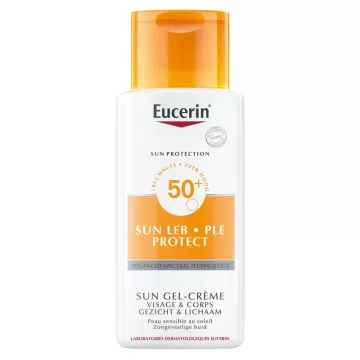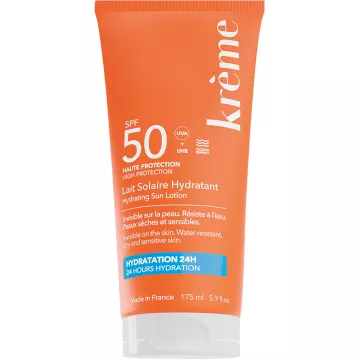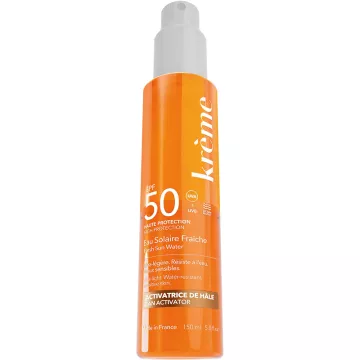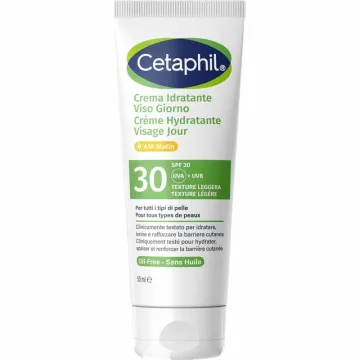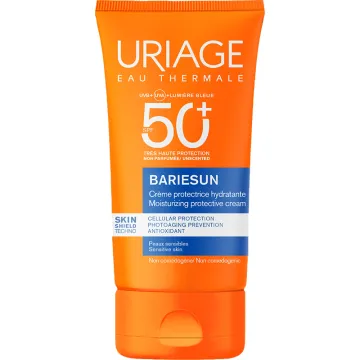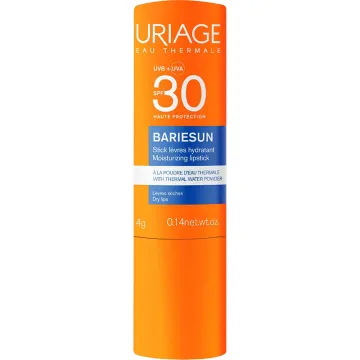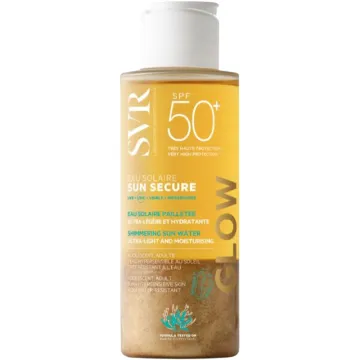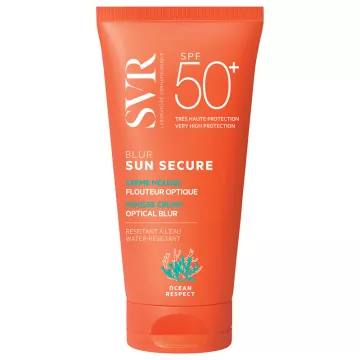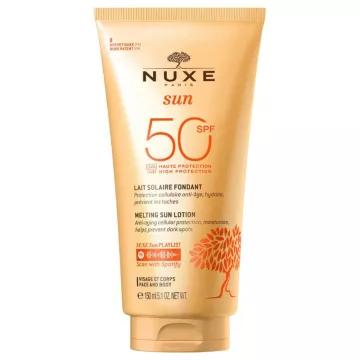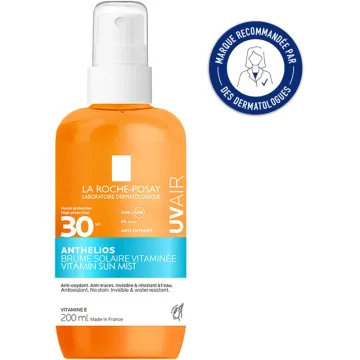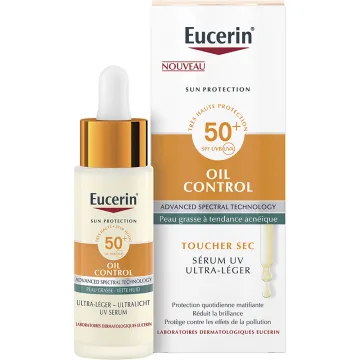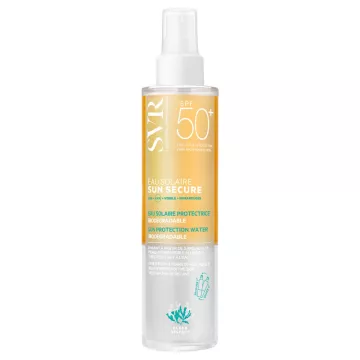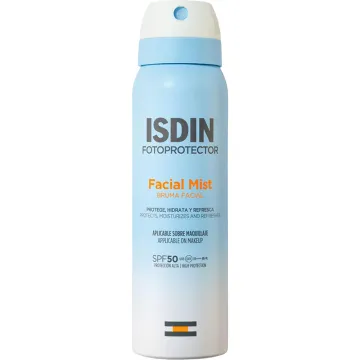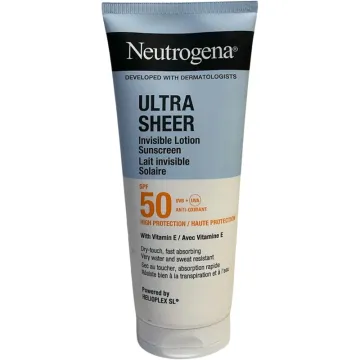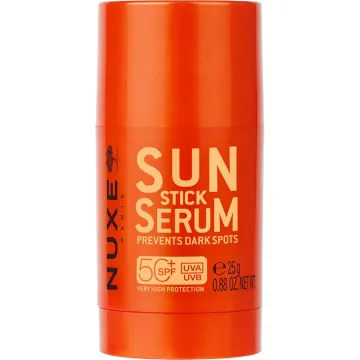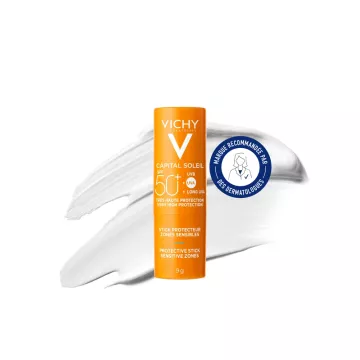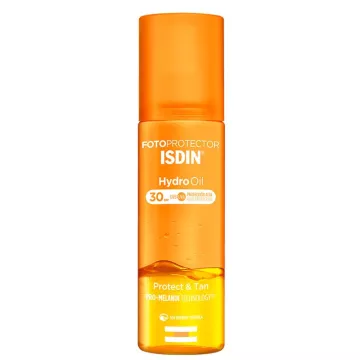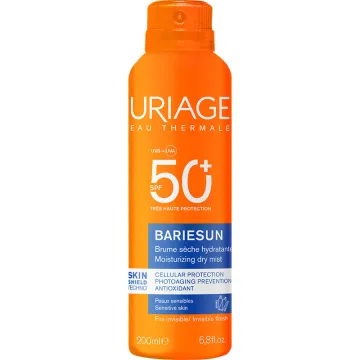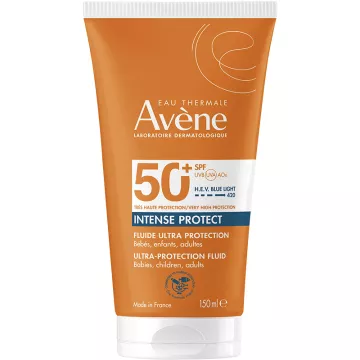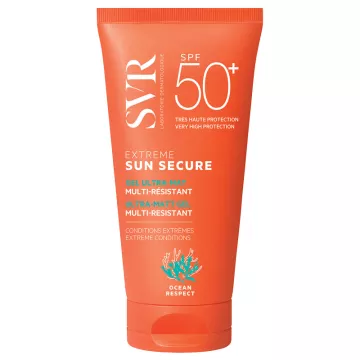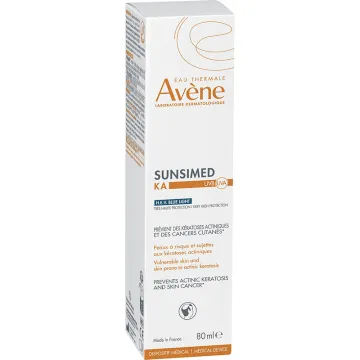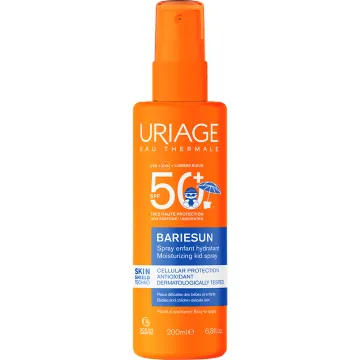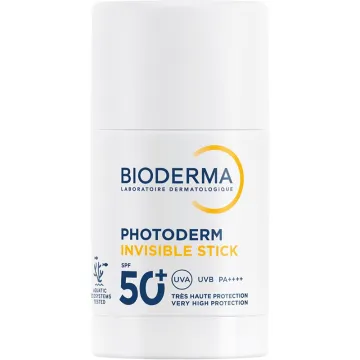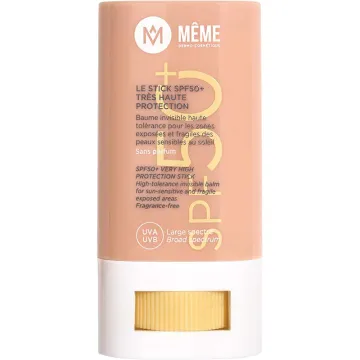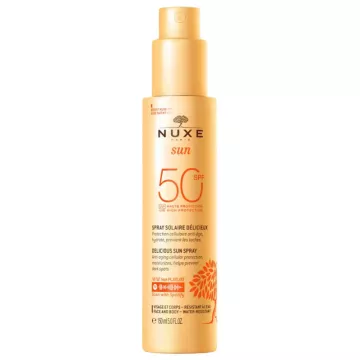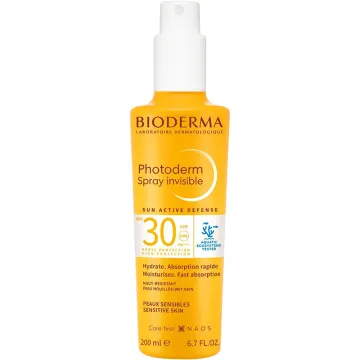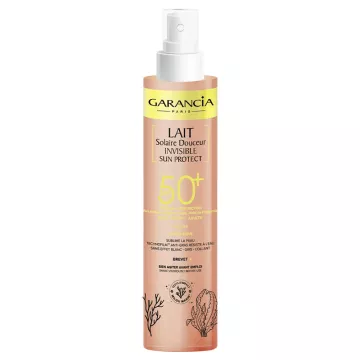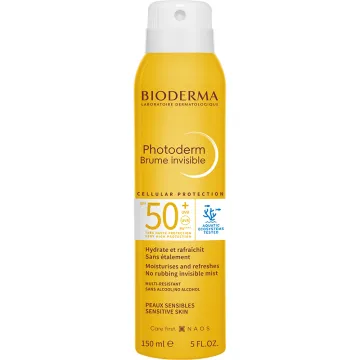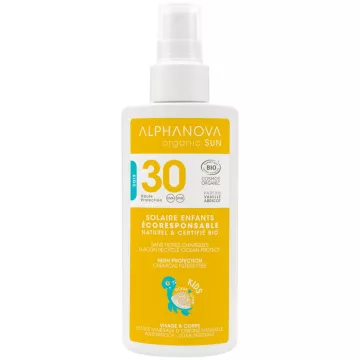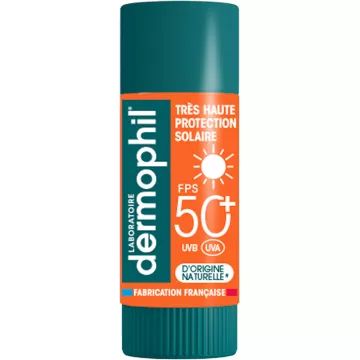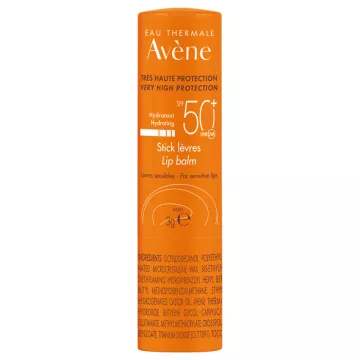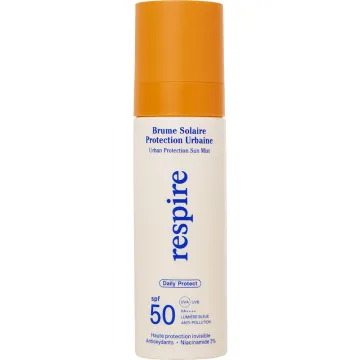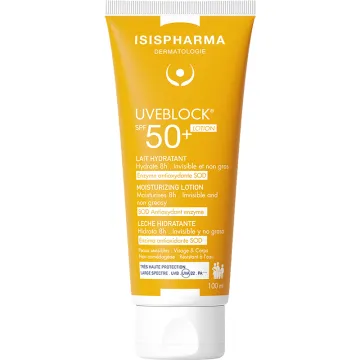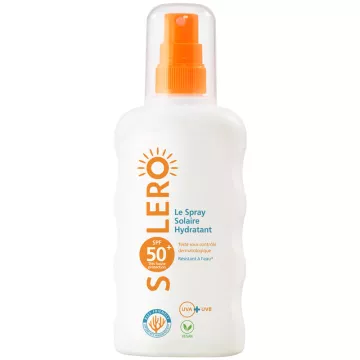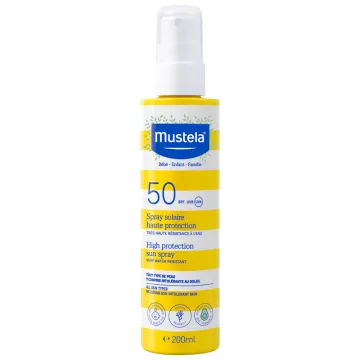
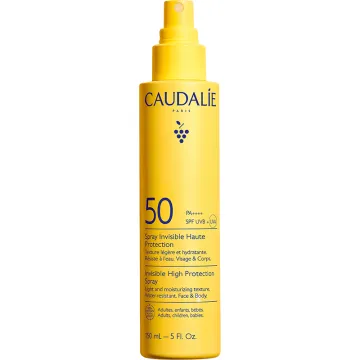


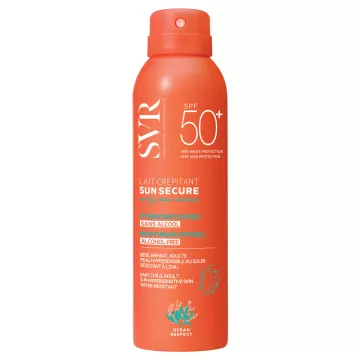
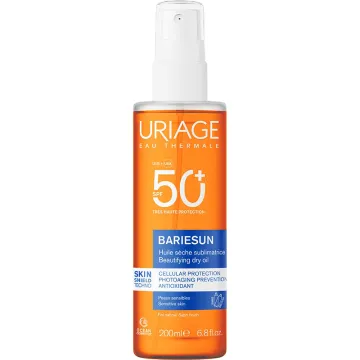
Sun protection refers to all the measures and products used to limit the impact of ultraviolet radiation on the skin: creams, sun sticks, UV-protective clothing, and safe sun practices. Unprotected exposure accelerates skin aging, promotes the appearance of age spots, and significantly increases the long-term risk of skin cancer. Contrary to popular belief, sun protection is important year-round—not just during intentional sun exposure—since UVA rays can pass through glass and remain present even on cloudy days.
The Sun Protection Factor (SPF) measures protection against UVB rays, which cause sunburn, while the circled UVA logo guarantees protection against UVA rays, which cause skin aging and penetrate deeper into the dermis. An SPF 50 filters out about 98% of UVB rays, compared to 96% for an SPF 30: although the difference is small in percentage terms, it remains significant in terms of the duration of exposure tolerated before sunburn.
The recommended amount for the entire body is about 30 to 35 ml, or approximately six teaspoons—a dose that is widely underestimated in everyday use, which reduces the actual protection obtained by that amount. Reapplying every two hours—and always after swimming or heavy sweating—remains essential, even with a product labeled as water-resistant, as this label guarantees only partial durability, not unlimited protection.
Chemical filters absorb UV rays and convert them into heat; they generally have a lighter, more fluid texture and are invisible on the skin. Mineral filters, made from zinc oxide or titanium dioxide, physically reflect the rays as soon as they are applied and are better tolerated by sensitive or reactive skin. Mineral sunscreen is generally recommended as the first choice for infants and pregnant women, given the lack of comprehensive safety data on certain chemical filters.
Certain groups require extra caution: children, whose thinner skin is more vulnerable; people with fair skin who burn easily; and those taking photosensitizing medications (retinoids, certain antibiotics, cosmetic AHAs). People prone to sun allergies should also increase their protection as soon as they begin spending time outdoors in the spring, when these reactions are most common.
The most common mistakes include applying sunscreen too late (after exposure has begun rather than 20 to 30 minutes beforehand), missing sensitive areas (ears, nape of the neck, tops of the feet), and failing to reapply often enough throughout the day. After sun exposure, a soothing after-sun treatment is a useful addition to your routine, though it cannot compensate for insufficient protection applied beforehand.