The sun, a source of life and well-being, can also become a real enemy to our skin. Prolonged exposure to UV rays without adequate protection causes skin damage ranging from a simple sunburn to more serious cumulative effects over the long term. After-sun care is therefore not just a beauty routine—it addresses a genuine need for skin health.
After-sun care encompasses all the products and steps applied to the skin after sun exposure.
Its main purpose is to rehydrate, soothe, and support the skin’s repair process in the face of UV-induced damage.
It plays a key role in preventing premature aging, limiting cumulative cellular damage, and maintaining skin elasticity over the course of many summers.
Note: After-sun care is never a substitute for effective sunscreen applied before and during sun exposure.
Several skin signs indicate that an after-sun treatment is necessary after a day in the sun:
Visible redness, a sensation of heat, and tightness indicate superficial inflammation that needs to be soothed quickly.
Extreme dryness, peeling skin, or blisters, on the other hand, signal a more severe sunburn, requiring more intensive restorative care.
If you experience widespread blisters, fever, chills, or general discomfort, consult a doctor or your pharmacist immediately.
The choice of an after-sun product depends on your skin type, the intensity of sun exposure, and the symptoms you’re experiencing.
Formulas enriched with aloe vera, hyaluronic acid, and vitamin E are among the most popular for their soothing, moisturizing, and antioxidant properties.
Opt for products that are alcohol-free, free of harsh fragrances, and suited to your skin type to avoid further irritation to already sensitive skin.
To explore our full selection, browse our sun protection section.
To maximize the effectiveness of your after-sun treatment, apply it to clean, slightly damp skin after showering.
This residual moisture helps the moisturizing and soothing active ingredients absorb deeply into the skin.
Don’t forget any exposed areas: face, ears, neck, décolletage, backs of the hands, tops of the feet—including areas that are often overlooked.
Reapply throughout the day if you still feel tightness or discomfort, especially in the evening.
It’s possible to make a homemade after-sun treatment using natural, soothing, and moisturizing ingredients.
A tried-and-true recipe combines pure aloe vera gel, a few drops of true lavender essential oil (well diluted), and a little coconut oil to nourish the skin.
Reserve essential oils for healthy adult skin: they are not recommended for children under 3 years old, pregnant women, or those with highly sensitive skin.
In cases of severe sunburn or very sensitive skin, always opt for laboratory-formulated products, which are better tolerated and safer.
The main difference between a standard moisturizing lotion and an after-sun treatment lies in their formulation and intended purposes.
After-sun products contain targeted soothing, anti-inflammatory, and refreshing active ingredients: aloe vera, chamomile, allantoin, bisabolol, or panthenol.
They also contain repairing and moisturizing agents, often in higher concentrations than in a daily body lotion.
Some after-sun products also have specific anti-inflammatory properties to soothe redness and a burning sensation after sun exposure.
Yes, an after-sun product is still beneficial even if there are no visible sunburns on the skin.
Any sun exposure dehydrates the skin and causes cumulative microscopic damage that becomes apparent over the long term.
A suitable product restores the skin barrier, rehydrates the outer layers, and helps prevent photoaging.
This daily routine is essential during the summer, even after moderate sun exposure or on cloudy days.
Apply your after-sun treatment as soon as possible after sun exposure, ideally after showering.
Clean, slightly damp skin absorbs the moisturizing and reparative ingredients in the formula more effectively.
If you continue to experience dryness or tightness, reapply during the day or in the evening.
For mild to moderate sunburn, several successive applications over the next 24 to 48 hours visibly speed up skin recovery.
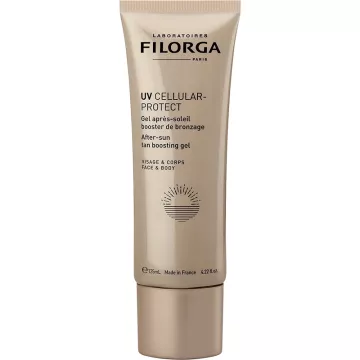
Some after-sun products contain active ingredients specifically formulated to prolong the effect of a natural tan.
They promote cell regeneration and help prevent premature peeling of the skin following intense sun exposure.
The deep hydration they provide keeps the skin smooth, even, and radiant, resulting in a tan that appears to last longer.
To maximize the longevity of your tan, moisturize your skin daily and avoid harsh exfoliants in the days following sun exposure.
There are after-sun products specifically formulated for sensitive, reactive, or acne-prone skin.
These products are generally fragrance-free, non-comedogenic, dermatologically tested, and hypoallergenic to minimize the risk of skin reactions.
They contain soothing and restorative active ingredients such asthermal water, aloe vera, allantoin, or certain botanical extracts with anti-inflammatory properties.
Read the label carefully and choose a product suited to your skin type; if you still have doubts, ask your pharmacist for advice.