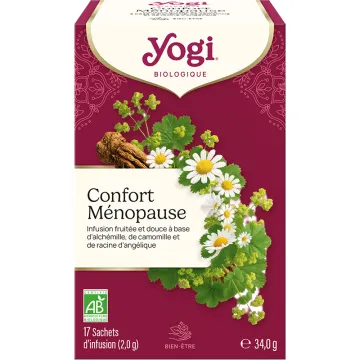
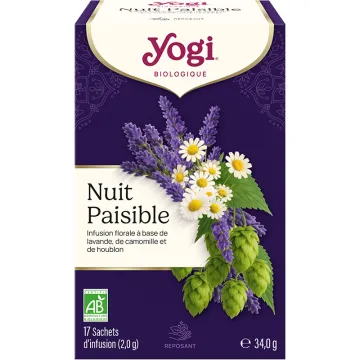
Chamomile encompasses two species with complementary properties: German chamomile (Matricaria chamomilla) and Roman chamomile (Chamaemelum nobile). One is the go-to remedy for digestive health and sensitive skin (blue chamazulene), while the other is aromatherapy’s premier nerve-calming agent (esters). The good news: both work well as herbal teas for everyone—and as essential oils for those who know how to choose them. Discover our digestive comfort line.
German Chamomile vs. Roman Chamomile: What Are the Key Differences?
Same family, very different properties—don’t confuse them.
- German chamomile (M. chamomilla): chamazulene (deep blue in essential oil, produced by distillation) + α-bisabolol—characteristic blue essential oil—powerful skin-soothing action, digestive comfort, sensitive skin
- Roman chamomile (C. nobile): esters (isobutyl angelate, isoamyl angelate 35–45%)—nearly colorless essential oil, milder and fruitier scent—powerful nervous system antispasmodic, supports sleep, soothes emotional agitation
- For the skin: prefer German chamomile (soothing bisabolol and chamazulene, well-documented)
- For nervous relaxation and sleep: prefer Roman chamomile (calming ester profile without heavy sedation)
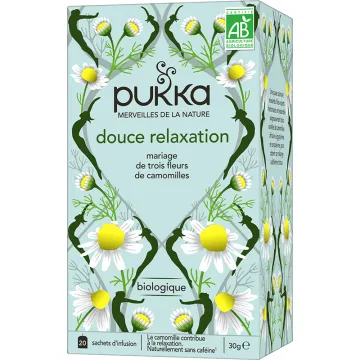
- As a herbal tea: both work—chamomile is often more readily available and less expensive
Chamomile and digestive comfort?
German chamomile is the go-to remedy for functional digestive disorders—its use has been validated since ancient times and confirmed by the EMA/HMPC.
- EMA/HMPC: Recognized traditional use of chamomile flower heads for mild digestive disorders (bloating, gas, spasms) and mild anxiety
- Apigenin, quercetin, and the sesquiterpenes in chamomile relax the smooth intestinal muscles—providing relief from postprandial cramps and spasms
- Herbal tea: 1–2 tablespoons of dried flowers in 200 mL of simmering water (90–95°C), steep for 5–10 minutes — 2 to 3 cups after meals
- Standardized extract in capsules: guaranteed apigenin content — for recurrent stress-related digestive disorders
- Combine with linden and mint for a complete digestive and relaxing herbal tea
Chamomile and skin care?
Bisabolol and chamazulene from chamomile are two of the most well-documented anti-redness active ingredients in cosmetics.
- Sensitive and reactiveskin: chamomile extracts or hydrosol—soothes redness, itching, and tightness—the go-to active ingredient in soothing creams
- Bisabolol: accelerates cell turnover and improves skin tolerance to cosmetic formulas—often combined with panthenol
- Chamazulene: formed during the distillation of the essential oil—a powerful soother for irritated skin—it is what gives chamomile essential oil its distinctive blue color
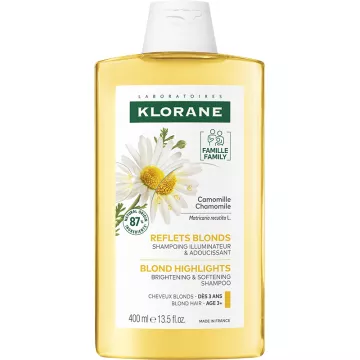
- Blonde hair: chamomile rinse—the flavonoids oxidize slightly when exposed to light and enhance golden highlights—2 cups of concentrated herbal tea as the final rinse
- German chamomile essential oil diluted to 0.5% in calendula vegetable oil—a soothing facial treatment for even the most sensitive skin
Chamomile and sleep — nervous relaxation?
Roman chamomile is more appropriate here than German chamomile—its esters act directly on the nervous system.
- Apigenin binds to GABA-A receptors—a mild anxiolytic that does not cause dependence or significant drowsiness the next day
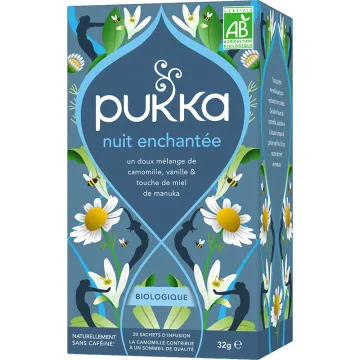
- Chamomile tea in the evening: promotes sleep and reduces mental restlessness—without heavy sedation
- Roman chamomile essential oil in a diffuser: 5 drops + true lavender + marjoram —the evening relaxation trio
- Supplement combinations: chamomile + valerian for sleep; chamomile + St. John’s wort for mood and mild anxiety
Chamomile for babies and children?
One of the best-tolerated herbs even for infants—as a mild herbal tea and for external use only.
- Infant colic: very mild herbal tea (0.5 g per 150 mL, steeped for 5 minutes)—possibly mixed with fennel—cooled before feeding with a spoon
- Irritations and diaper rash: creams and liniments made with chamomile and calendula—soothing even the most sensitive skin
- Roman chamomile essential oil: Avoid in infants and children under 3 years of age—use only in low concentrations via diffusion after age 3, under supervision
- Always seek medical advice before using any remedy on a baby—even natural ones
Precautions and contraindications?
- Allergy to Asteraceae (daisy, mugwort, chrysanthemum): contraindicated — cross-reactivity with chamomile is common — perform a skin test before any extensive use
- Anticoagulants: chamomile may potentiate their effects—inform your doctor if you are currently undergoing treatment
- Pregnant women: consult a doctor regarding concentrated extracts and essential oil—mild herbal tea is generally well tolerated
- Chamomile essential oil: Always dilute to 0.5–1% for topical use — highly concentrated in active ingredients