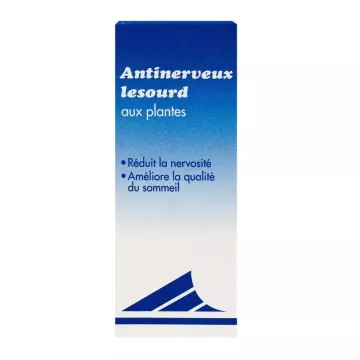
Sleep is a physiological need as vital as nutrition or hydration. During the recommended 7 to 9 hours of sleep for adults, the body performs essential functions: cellular repair, memory consolidation, hormonal regulation, elimination of brain waste (glymphatic system), immune system strengthening, and metabolic balance. Chronic sleep deprivation is associated with an increased risk of type 2 diabetes, obesity, cardiovascular disease, depression, and cognitive decline. In France, 45% of people aged 25–45 report not getting enough sleep, and 16% suffer from chronic insomnia, according to the INSV. Daytime fatigue is the most immediately noticeable consequence—but the long-term health impacts are far more profound.
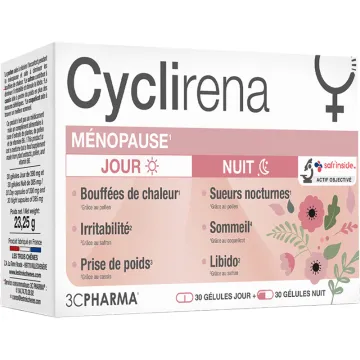
Sleep disorders span a broad spectrum that goes beyond insomnia alone. They include difficulty falling asleep (prolonged sleep latency, pre-sleep anxiety), sleep maintenance disorders (frequent nighttime awakenings, early morning awakening), parasomnias (sleepwalking, night terrors, bruxism), and circadian disorders (phase shift, jet lag, shift work). Certain populations are particularly affected: menopausal women (nocturnal hot flashes, frequent awakenings), older adults (natural reduction in N3), adolescents (chronobiological phase shift), and shift workers or those experiencing burnout. Several studies have linked vitamin D3 deficiency to poorer sleep quality—correcting this deficiency improves the duration and depth of sleep in people with a deficiency.
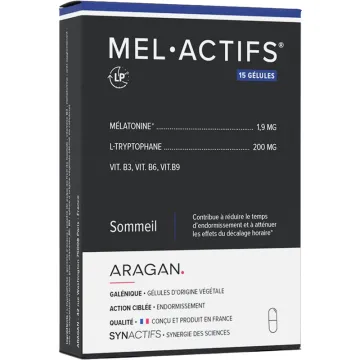
The range of natural sleep solutions addresses very different mechanisms depending on the specific sleep disorder:
Rhodiola (an adaptogen) indirectly improves sleep quality by normalizing daytime cortisol levels and enhancing stress resistance.
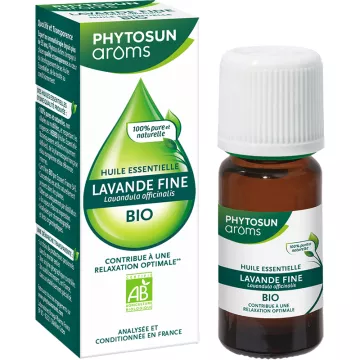
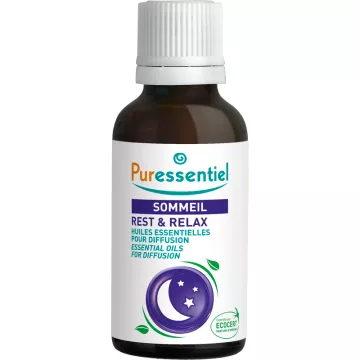
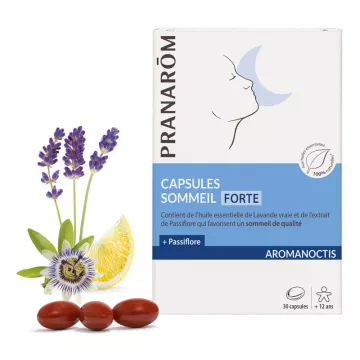
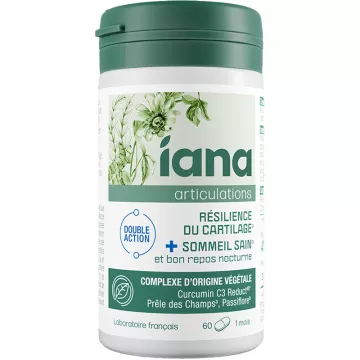
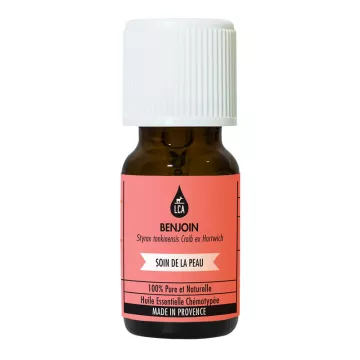
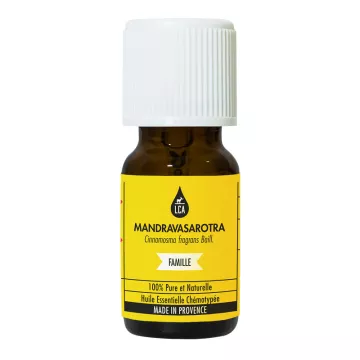
Gemmotherapy offers glycerin macerates of plant buds that are particularly recommended for sleep. Walnut (Juglans regia) buds address nervous and anxious profiles—they regulate the autonomic nervous system and improve resilience to daily stress over a 3- to 6-week treatment course. Essential oils complement oral remedies through inhalation or topical application: true lavender (linalool, a well-documented olfactory sedative), petitgrain bigarade (linalool + linalyl acetate, a powerful anxiolytic), and lipid-based essential oil capsules with nighttime release provide prolonged action throughout the night. Turmeric (curcumin, an anti-inflammatory) reduces low-grade nighttime inflammation—a little-known factor that disrupts the quality of deep sleep in people prone to joint pain or who are overweight.
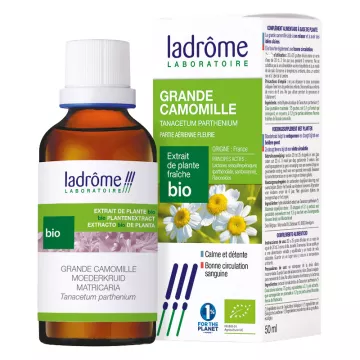
Evening herbal teas offer both a therapeutic and behavioral approach—the ritual of preparation and the warmth of the drink are integral to their effectiveness. The best bases include linden (mildly sedative flavonoids), lemon balm (rosmarinic acid, which reduces anxiety), lemon verbena (calming iridoids), and passionflower (a nighttime anxiolytic). Rooibos (Aspalathus linearis, naturally caffeine-free and rich in antioxidants) is a base perfectly suited for the evening—it can replace late-afternoon tea or coffee without disrupting melatonin secretion. "Nighttime" tea bags (rooibos + chamomile + lavender + passionflower) combine pleasant taste with therapeutic benefits.
Occasional difficulties can be addressed with the natural approaches described. A medical consultation is necessary when sleep disturbances persist for more than 4 to 6 weeks despite optimized sleep hygiene and proper supplementation, or if they are accompanied by intense snoring with pauses in breathing (obstructive sleep apnea), restless legs in the evening (restless legs syndrome, often linked to iron deficiency), severe daytime sleepiness, or a significant impact on work performance. Vitamin D3, ferritin, and TSH are among the first laboratory tests that should be performed before any targeted treatment.