What is digestive comfort, and what disrupts it?
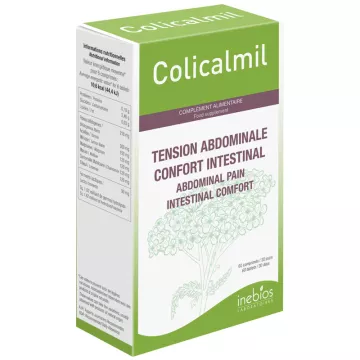
Digestive comfort refers to the absence of daily digestive issues—no bloating, heaviness, abdominal pain, heartburn, or irregular bowel movements. It is the baseline state that our line of digestive comfort supplements aims to support through different approaches tailored to individual profiles.
- Unbalanced diet: excess saturated fats, refined sugars, and ultra-processed foods—low in fiber → dysbiosis + constipation + slow bowel movements
- Imbalance in gut flora: after antibiotic treatment, during times of stress, or following an infection — bloating, gas, irregular bowel movements — see our probiotics page
- Chronic stress: activates the sympathetic nervous system → inhibits enzyme secretion + speeds up or slows down transit + worsens GERD — central brain-gut axis
- Tobacco: increases gastric acidity + worsens GERD + impairs intestinal motility — quitting completely benefits the entire digestive system
- Sedentary lifestyle: slows intestinal motility → constipation + bloating — 30 minutes of walking per day is enough to significantly improve bowel movements
What natural solutions are available to restore digestive comfort?
Several natural active ingredients target different aspects of digestive comfort. Find them in our line of digestive supplements.
- Ginger: gastric prokinetic + antiemetic — accelerates gastric emptying — reduces nausea and postprandial heaviness — an active ingredient with extensive research supporting its use for slow digestion
- Peppermint (enteric-coated essential oil): antispasmodic for intestinal smooth muscles — reduces IBS pain and cramps — must be enteric-coated to target the intestine (not the stomach)
- Turmeric (curcumin): anti-inflammatory for the gastrointestinal mucosa + cholagogue (stimulates bile production) — combine with piperine to enhance bioavailability — see our page on digestive tonics
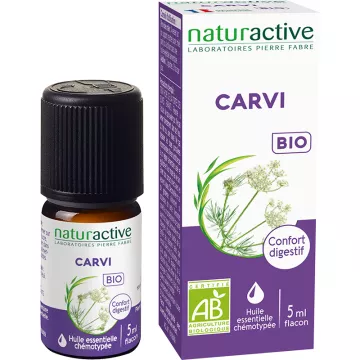
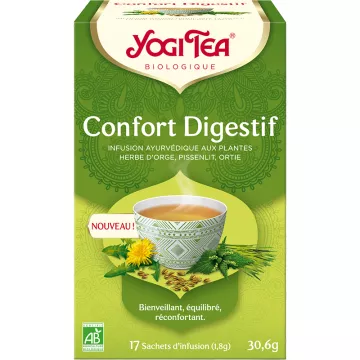
- Fennel, anise, caraway: carminatives—relieve gas and reduce bloating—as an herbal tea after meals or in capsule form
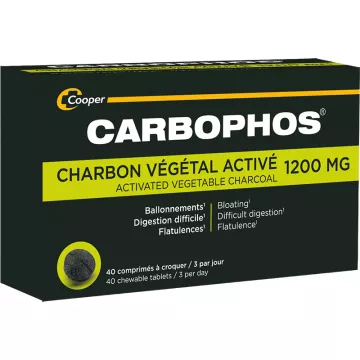
- Activated charcoal: adsorbs intestinal gas — provides rapid relief from bloating — take separately from medications and supplements (at least 2 hours apart)
How can you adjust your diet and lifestyle?
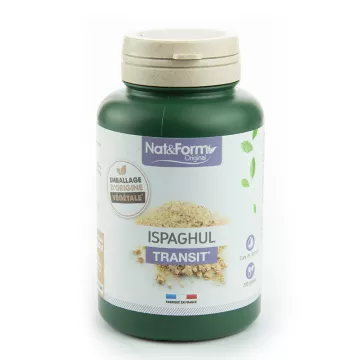
- Gradually increase fiber intake: 25–30 g/day — increase over 4–6 weeks to avoid temporary bloating — alternate between soluble fiber (oats, psyllium) and insoluble fiber (bran, vegetables) based on individual needs — see our page on improving digestion
- Hydration: 1.5–2 L/day — drink between meals (to avoid diluting stomach acids) — slightly mineralized water is preferable to sparkling water (additional gas)
- Foods to limit: carbonated beverages (aerophagia), alcohol (mucosal irritation), excessive coffee (gastric acidity), very spicy foods (spasms in sensitive individuals), large quantities of raw vegetables if bloating occurs (steam them)
- Stress management: cardiac coherence 3 times a day — yoga, abdominal breathing — the vagus nerve connects the brain and the gut — deep relaxation directly improves digestive motility
- Sleep: 7–9 hours per night — the intestinal lining repairs itself at night — lack of sleep = GERD, impaired motility, depleted microbiota
Common digestive disorders and links to specialized pages
- Bloating and gas: excessive colonic fermentation — FODMAPs, dysbiosis — activated charcoal + carminatives + probiotics — see our page on bowel movement disorders
- Difficult digestion and heaviness: after large meals, enzyme deficiency — digestive enzymes + artichoke + ginger — see our page on difficult digestion
- Slow digestion: delayed gastric emptying — ginger + exercise + light meals — see our page on slow digestion
- Overall Function of the Digestive System: see our page on the digestive system — anatomy from the mouth to the colon, role of the liver and pancreas
- Seek medical attention if: severe pain, blood in the stool, unexplained weight loss, dysphagia, sudden change in bowel habits — signs of an organic condition requiring urgent medical evaluation