What are the best foods for improving digestion?
Improving digestion starts with making the right food choices—certain foods naturally stimulate the production of enzymes and bile, promote regular bowel movements, and strengthen the gut microbiome. Our line of digestive enzymes offers complementary solutions for those with digestive difficulties.
- Dietary fiber: 25–30 g/day—soluble fiber (apples, oats, psyllium) softens stools—insoluble fiber (bran, green vegetables) speeds up bowel movements—increase intake gradually while staying well-hydrated
- Fermented foods: plain yogurt, kefir, sauerkraut, miso, kimchi — provide natural probiotics that strengthen the gut microbiome and improve colonic fermentation
- Natural prebiotics: garlic, onions, leeks, green bananas, asparagus, artichokes — nourish beneficial Bifidobacterium and Lactobacillus
- Antioxidant foods: berries, spinach, tomatoes, turmeric — protect the digestive lining against oxidative inflammation — turmeric (curcumin) specifically inhibits inflammation of the gastrointestinal lining
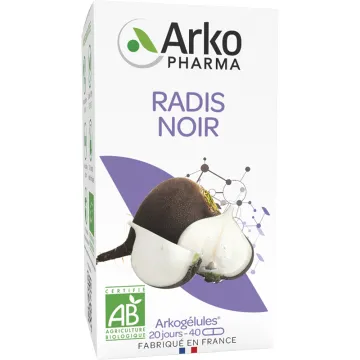
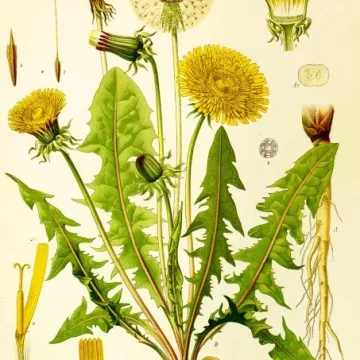
- Cholagogue and choleretic foods: artichokes, black radishes, dandelions, fennel—stimulate bile production → facilitate fat digestion—see our page on digestive tonics
Digestive enzymes, probiotics, and digestive supplements
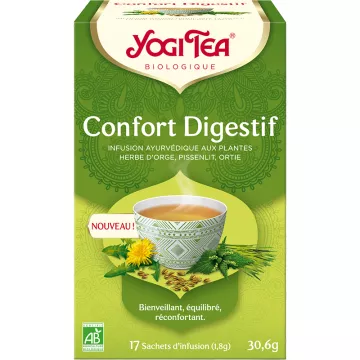
For difficult or slow digestion, digestive supplements provide targeted support. Find the right formulas in our digestive comfort line.
- Digestive enzymes: amylase (carbohydrates), lipase (fats), protease (proteins), lactase (lactose) — compensate for insufficient production due to age, stress, or mild pancreatic insufficiency — take at the start of meals — see our page on difficult digestion
- Probiotics: Lactobacillus acidophilus + Bifidobacterium — restore gut flora after disruption — improve fiber digestion and reduce bloating — take for at least 4–6 weeks
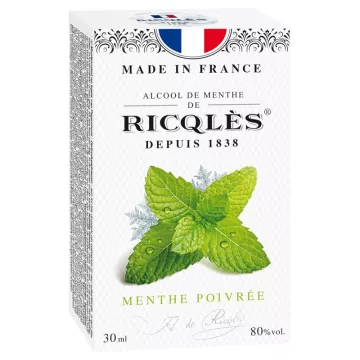
- Carminative herbs: fennel, anise, caraway, peppermint — reduce spasms and postprandial gas — taken as an herbal tea after meals or in enteric-coated capsules
- Ginger: gastric prokinetic — accelerates gastric emptying — reduces postprandial nausea — documented effectiveness for slow digestion — see our page on slow digestion
- Activated charcoal: adsorbs intestinal gas—provides rapid relief from bloating and flatulence—take separately from medications and other supplements (2 hours apart)
Digestive health: chewing, sleep, and stress management
- Slow chewing: 20–30 chews per bite — triples the surface area in contact with salivary enzymes — reduces the volume of swallowed air (aerophagia) — earlier satiety signal (20-minute brain-to-stomach delay)
- Eat in a calm environment: the parasympathetic nervous system (“rest and digest” mode) stimulates the production of stomach acid and enzymes—stress activates the sympathetic nervous system → slowed digestion
- Adequate sleep: the digestive mucosa repairs itself at night — poor sleep disrupts motility and increases the risk of GERD — goal: 7–9 hours per night
- Stress management: cardiac coherence 3 times a day — mindfulness meditation — yoga — chronic cortisol slows gastric emptying and disrupts the gut microbiota
- Gentle cooking (steaming, low heat): preserves foods’ natural enzymes and micronutrients — overcooking destroys water-soluble vitamins and food enzymes
Water, exercise, and lifestyle habits for optimal digestion
- Hydration: 1.5–2 L of water per day — water helps the food bolus move through the digestive tract and aids in stool formation — drink between meals rather than during (to avoid diluting gastric juices) — see our page on improving bowel movements
- Post-meal walk: 15–20 min of light walking after a meal—accelerates gastric emptying by 20–30%—reduces bloating and the postprandial blood sugar spike
- Intermittent fasting: fasting periods allow the digestive system to regenerate — the migrating motor complex (MMC) cleanses the small intestine between meals — not suitable for everyone (avoid if you have hypoglycemia, eating disorders, or are pregnant)
- Avoid: large evening meals (slow nighttime digestion), tobacco (stomach acid), alcohol (mucosal irritation), ultra-processed foods (disrupt motility and gut microbiota) — see our digestive system page
- Seek medical advice if: persistent abdominal pain, unexplained weight loss, blood in the stool, or difficulty swallowing—symptoms that may indicate an organic condition requiring endoscopy