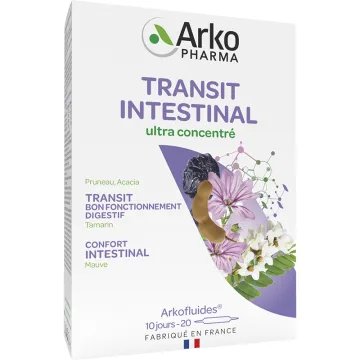
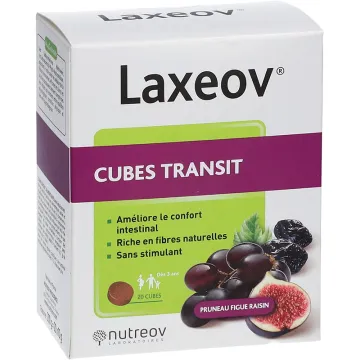
What Are Digestive Tract Disorders, and Why Should They Be Treated Promptly?
Digestive transit disorders encompass all disruptions to the rhythm and consistency of bowel movements—whether they are too slow, too fast, painful, or irregular. A disrupted digestive system affects much more than just intestinal comfort: it impacts nutrient absorption, immunity (70% of immune cells are found in the intestinal GALT), and even mood via the gut-brain axis. Our range of flat-belly supplements and probiotics naturally support the restoration of digestive balance.
- Slow bowel movement / constipation: < 3 bowel movements/week or hard stools — bloating + heaviness + abdominal discomfort — see our constipation hub for detailed solutions
- Fast bowel movements / diarrhea: > 3 liquid or loose stools per day — dehydration + electrolyte imbalances — see our diarrhea hub
- Irregular bowel movements (IBS): alternating constipation and diarrhea + pain associated with bowel movements + bloating — irritable bowel syndrome: FODMAP diet + probiotics + stress management
- Link between immunity and bowel function: disrupted bowel function alters microbiome diversity → weakened immune defenses → more frequent infections — restoring bowel function = boosting immunity
- Brain-gut axis: 90% of serotonin is produced in the gut — chronic digestive issues → anxiety, irritability, mental fatigue — treating digestive issues directly improves mood and cognitive function
Natural supplements to rebalance digestive function
- Targetedprobiotics: Bifidobacterium lactis (slow transit) — Lactobacillus rhamnosus GG (accelerated bowel transit) — Bifidobacterium infantis (mixed IBS) — our buffered probiotic formulas are designed to work in both directions depending on your profile
- Blond psyllium (3–5 g in 250 mL water): soluble, mucilaginous fiber—regulates digestion in both directions—the gold-standard active ingredient recommended for all functional digestive disorders—always take with plenty of water
- Ginger (500 mg before meals): gastric and intestinal prokinetic — accelerates slow transit — reduces nausea associated with irregular bowel movements — available in capsules or as a fresh herbal tea
- Marine magnesium (300–400 mg in the evening): mild osmotic laxative → softens stools in cases of constipation — regulates intestinal smooth muscles during spasms — a foundational active ingredient for chronically disrupted bowel movements
- Fermented foods (kefir, yogurt, sauerkraut, kimchi) + prebiotics (inulin, FOS): nourish beneficial bacteria and diversify the microbiome → gradual normalization of bowel movements over 4–6 weeks
Diet, lifestyle, and bowel movement log
- Fiber: 25–30 g/day, gradually increased: soluble fiber (oats, apples, psyllium, carrots) for all profiles — insoluble fiber (raw vegetables, whole grains) to be consumed with caution in cases of IBS (may worsen bloating)
- Lukewarm water on an empty stomach in the morning (1–2 glasses): triggers the gastrocolic reflex—the most powerful signal to initiate morning bowel movements—typically effective within 7–10 days
- Bowel movement log (app or notebook): record frequency + consistency (Bristol Stool Scale) + foods consumed + stress level—identify personal triggers within 2–4 weeks—the most effective tool for personalizing a diet to address digestive issues
- Daily exercise routine: 30-minute walk per day + digestive yoga (twists, Apanasana)—reduces slow bowel movements by 40% and improves IBS—see our page on improving bowel movements
- Stress management: Cortisol directly disrupts colonic motility in both directions — cardiac coherence + CBT + meditation — treating associated anxiety provides lasting relief from digestive issues
Warning Signs and Referral to the Right Specialist
- When to seek immediate medical attention: sudden change in bowel habits after age 50 (new-onset constipation or diarrhea) — blood in the stool — unintentional weight loss > 5% — persistent fever — nighttime pain that wakes the patient
- Medical evaluation based on clinical presentation: fecal calprotectin (IBD) — CBC + CRP + ferritin — celiac serology — colonoscopy (> age 50 or red flags) — H2 breath test (lactose/fructose intolerance) — TSH (hypothyroidism = a common cause of slow bowel transit)
- Specialists based on the patient’s profile: gastroenterologist (IBD, IBS, cancer) — dietitian (FODMAPs, nutrition) — psychologist or CBT (IBS with anxiety) — proctologist (hemorrhoids, fissures, distal constipation)
- Laxatives: osmotic (macrogol, lactulose) — preferred over stimulant laxatives (senna, bisacodyl, max 7–10 days) — never use long-term without medical advice — see our page on bowel motility for specific guidelines
- Never self-diagnose irritable bowel syndrome without a medical evaluation: IBS is a diagnosis of exclusion — first rule out IBD, celiac disease, cancer, and hypothyroidism before concluding that the cause is functional