What is diarrhea, and what are its symptoms?
Diarrhea is defined as having more than 3 loose stools per day—it is a symptom common to many digestive conditions, and its management depends directly on its duration, cause, and the patient’s profile. This hub directs you to the specialized pages in our stomach and digestive health section.
- Acute diarrhea (< 14 days): most often infectious—viral (norovirus, rotavirus) or bacterial (Salmonella, Campylobacter, Shigella)—treatment: oral rehydration solution (ORS) + digestive rest—see our page on acute diarrhea
- Chronic diarrhea (> 4 weeks): Medical evaluation required—IBD, celiac disease, IBS, malabsorption—see our page on chronic diarrhea
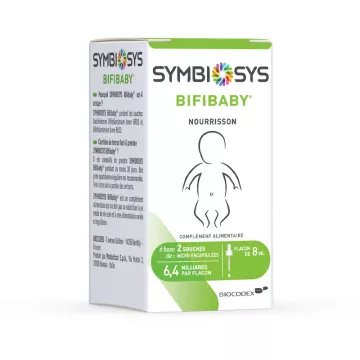
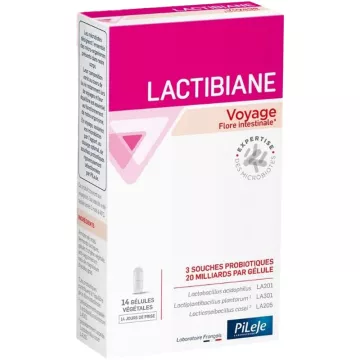
- Traveler’s diarrhea: enterotoxigenic E. coli (ETEC) in 50–70% of cases — onset within 2 weeks of arrival in a tropical region — prevention through strict food hygiene and prophylactic probiotics
- Post-antibiotic diarrhea: dysbiosis — Saccharomyces boulardii as a preventive measure starting with the first dose of antibiotics — Clostridioides difficile in severe cases
- Functional diarrhea (IBS): no infection or organic lesions — gut-brain axis — FODMAP diet + probiotics + stress management
Treatment of diarrhea: from rehydration to medications
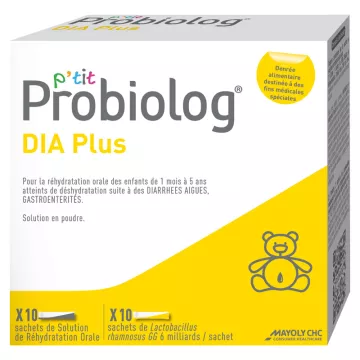
- Oral rehydration (OR) solution: top priority regardless of the cause — sodium + glucose + potassium in WHO-recommended proportions — for children: pediatric OR solutions in small doses (5–10 mL/5 min) — never replace with plain water, soda, or fruit juice
- Smectite (Smecta): intestinal adsorbent—binds toxins and pathogens—shortens duration—safe for children ages 2 and up, as well as pregnant and breastfeeding women—should be taken separately from other medications (2 hours apart)
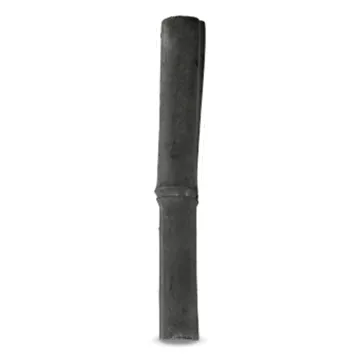
- Activated charcoal: non-selective adsorbent—binds gases and toxins—effective for mild diarrhea and associated bloating—see our line of probiotic supplements
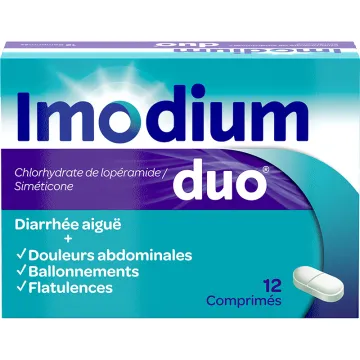
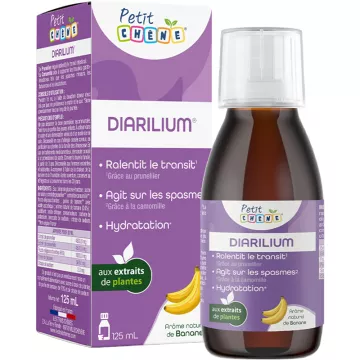
- Loperamide (Imodium): slows intestinal transit — adults only — do not use if < 2 ans — contre-indiqué si fièvre >, 38.5°C, or blood in the stool
- BRAT Diet: Banana, Rice, Apple sauce, Toast — gentle reintroduction of food after 4–6 hours of rehydration — return to a normal diet within 24–48 hours
Probiotics and natural remedies for diarrhea
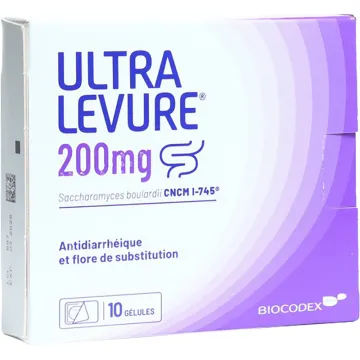
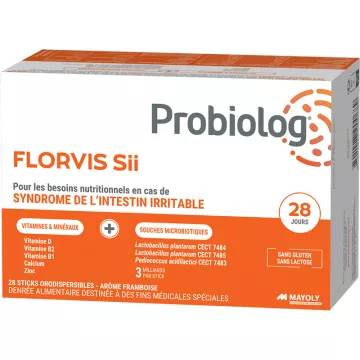
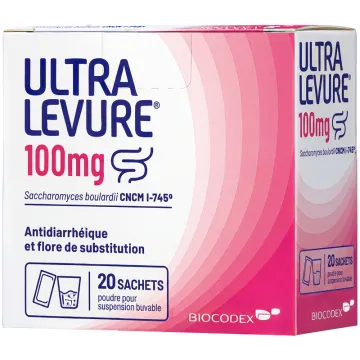
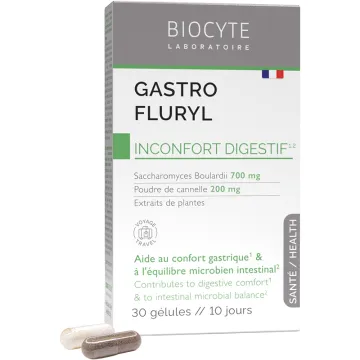
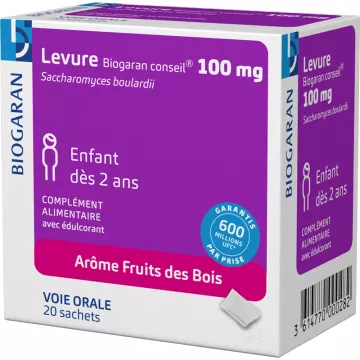
- Saccharomyces boulardii (Ultralevure): reduces the duration of acute diarrhea by ~24 hours (meta-analyses) — prevents post-antibiotic diarrhea — safe for children and pregnant women — see our pharmacy’s probiotic selection
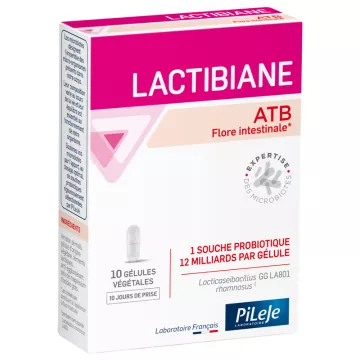
- Lactobacillus rhamnosus GG: documented in children for viral gastroenteritis — faster restoration of the intestinal mucosa
- Chamomile tea: mild antispasmodic — relieves abdominal cramps associated with diarrhea — anti-inflammatory for the intestinal lining
- Ginger: antiemetic + mild antidiarrheal via prostaglandin action — complementary to primary treatments
- These natural remedies complement rehydration—they do not replace it, particularly in children and the elderly
Red flags: When should you seek emergency care?
- Blood in the stool: may indicate STEC (HUS), shigellosis, active IBD, or colorectal cancer—never take loperamide—seek immediate medical attention—see our page on dysentery
- Severe dehydration: no urine for > 8 hours, sunken eyes, sunken fontanelle, altered consciousness → call 15
- Fever > 38.5°C persisting for more than 48 hours: possible bacterial infection—stool culture and medical evaluation required
- Persistence for > 2 days in adults, > 24 hours in children with no improvement: seek medical attention—rule out causes requiring specific treatment (parasitic infection, IBD, C. difficile)
- At-risk populations: infants < 3 mois (consultation systématique), > s aged 75 and older, immunocompromised individuals, pregnant women, and those with renal failure—lower the threshold for seeking medical attention as soon as the first symptoms appear