What is acute diarrhea, and what causes it?
Acute diarrhea is defined as more than 3 loose stools per day for less than 14 days—any longer than that is considered chronic diarrhea, which requires a thorough medical evaluation. Although it is the leading cause of infant mortality in low-income countries, it remains a mild condition in the vast majority of cases in France thanks to early rehydration. Our line of probiotics supports the restoration of the gut microbiota after an episode of diarrhea.
- Viral infections (80% of cases): norovirus (adults, group settings), rotavirus (children under 5 years of age)—gastroenteritis—see our page on gastroenteritis
- Bacterial infections: Salmonella, Campylobacter, E. coli (including enterohemorrhagic STEC), Shigella—often foodborne—fever + diarrhea with or without blood—see our food poisoning page
- Parasitic infections: Giardia lamblia (river water, tropical countries), Cryptosporidium (immunocompromised individuals) — diagnosis by parasitological stool examination (PSE)
- Traveler’s diarrhea: Enterotoxigenic E. coli (ETEC) in 50–70% of cases — sudden onset within 2 weeks of arrival in a high-risk country
- Post-antibiotic diarrhea: dysbiosis + Clostridioides difficile (C. diff) in severe cases — diarrhea 4–14 days after taking antibiotics
Immediate management: rehydration and treatment
- Oral rehydration solutions (ORS): the primary and essential treatment—WHO formulation (sodium, glucose, potassium) — for children: pediatric ORS (Picolite, Hydralin) in small, frequent doses (5–10 mL every 5 minutes) — do not substitute with plain water, soda, fruit juice, or salted broth
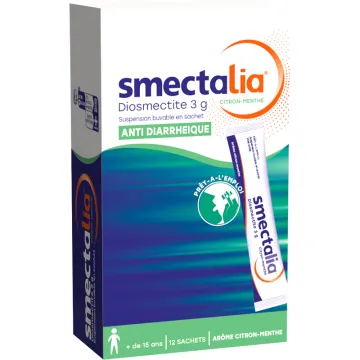
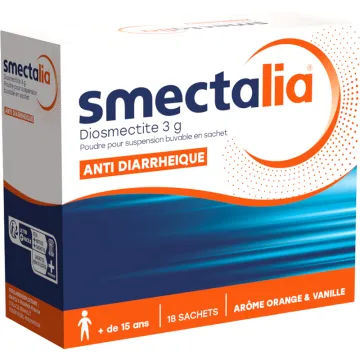
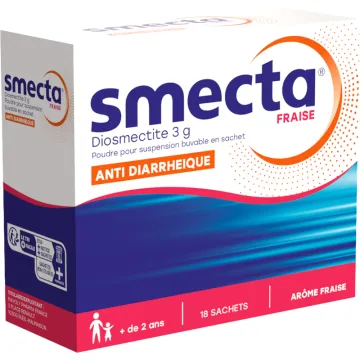
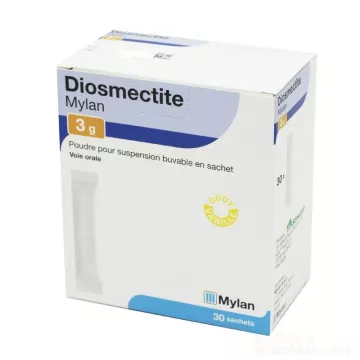
- Smectite (Smecta, Imogas): intestinal adsorbent — binds toxins and bacteria — reduces duration and severity — suitable for children aged 2 and older, as well as pregnant and breastfeeding women — take separately from other medications
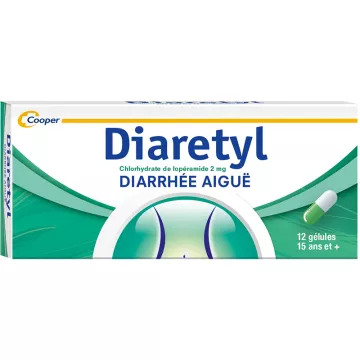
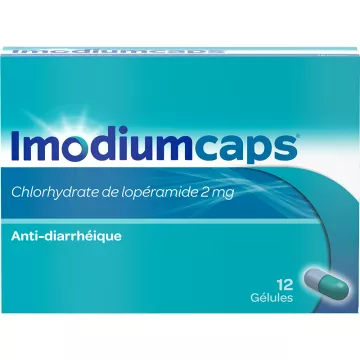
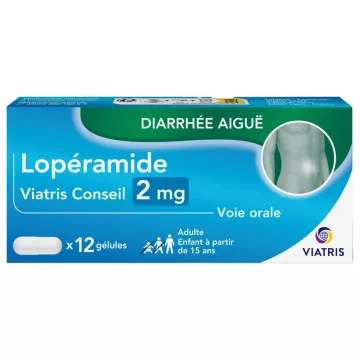
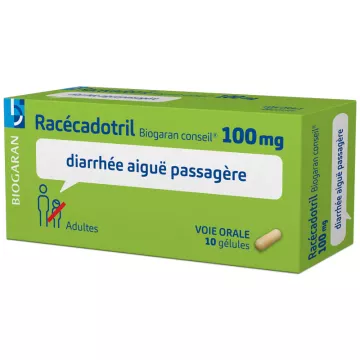
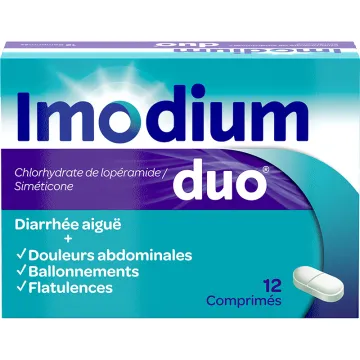
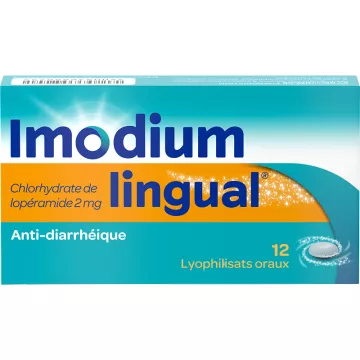
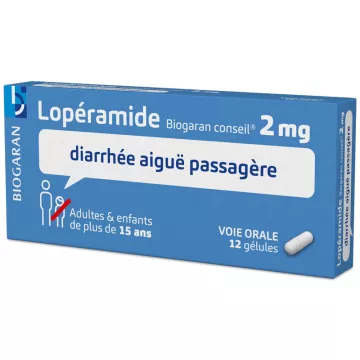
- Loperamide (Imodium): slows intestinal transit — adults only (contraindicated < 2 ans) — contre-indiqué si fièvre > s of 38.5°C, blood in the stool, or suspected invasive infection
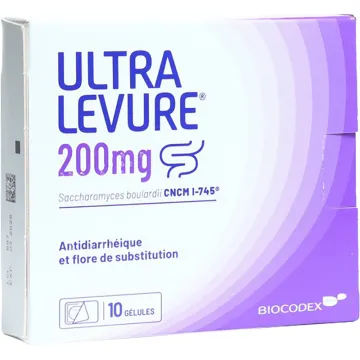
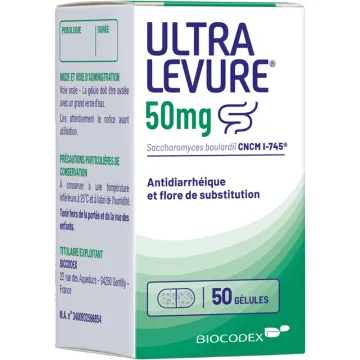
- Saccharomyces boulardii (Ultralevure): as soon as the first symptoms appear — reduces the duration of acute diarrhea by an average of 24 hours (meta-analyses) — safe for children and pregnant women
- Diet: Resume eating small, frequent meals as soon as possible (rice, bananas, fruit compote, toast)—never withhold food from a child—return to the usual diet within 24–48 hours
Dehydration in children: warning signs and emergencies
Dehydration is the primary and most dangerous complication of acute diarrhea in children—it must be recognized and treated immediately.
- Mild to moderate dehydration: thirst, dry mouth, decreased urine output, mild irritability — oral rehydration therapy with pediatric ORS — monitor at home
- Severe dehydration: sunken fontanelle, sunken eyes, crying without tears, cold extremities, rapid pulse, altered consciousness → call 15 or go to the emergency room — IV rehydration required
- Infants < 3 months with diarrhea: seek immediate medical attention
- Children < 5 years: 10% weight loss = medical emergency — weigh the child and compare to usual weight
- At-risk adults requiring prompt medical attention: > 75 years old, immunocompromised, diabetic, those with renal failure, pregnant women
Antibiotics, special cases, and prevention
- Antibiotics: not recommended as first-line treatment — prescribed only based on a positive stool culture and antibiotic susceptibility testing — indicated for shigellosis, listeriosis, severe C. difficile, and in immunocompromised patients
- Traveler’s diarrhea: azithromycin as probabilistic antibiotic therapy if severe — loperamide + azithromycin for moderate cases — the 4C rule for food-related prevention
- Post-antibiotic C. difficile: metronidazole or oral vancomycin — never treat with loperamide — probiotics (S. boulardii) to prevent relapses
- Prevention: Handwashing with soap (effective against norovirus, more so than alcohol-based hand sanitizers) — food hygiene — rotavirus vaccination (infants) — see our page on gastrointestinal disorders
- Mandatory reporting: shigellosis, listeriosis, outbreaks of foodborne illness → report to the ARS