What are bowel movement disorders, and how can they be distinguished?
Digestive disorders encompass any deviation from normal bowel function—defined as a frequency ranging from 3 bowel movements per day to 3 per week. Accurate identification of these disorders determines the treatment strategy. Our digestive health line offers natural solutions tailored to each individual’s needs.
- Constipation: fewer than 3 bowel movements per week, straining, hard and fragmented stools—functional (habits, diet) or organic (medications, medical conditions)
- Diarrhea: more than 3 loose stools per day—acute (< 14 jours, souvent infectieuse) ou chronique (> s 4 weeks; medical evaluation required)
- Alternating bowel movements: alternating constipation and diarrhea—a characteristic sign of irritable bowel syndrome (IBS)—see our page on intestinal disorders
- Red flags (urgent medical consultation): blood in the stool, unexplained weight loss, nighttime pain, sudden change in bowel habits after age 50—rule out colorectal cancer or IBD
- Epidemiology: 20% of the adult French population is affected by functional bowel disorders—prevalence is higher among women and in those over 60
What are the causes of bowel movement disorders and the risk factors?
- Diet low in fiber: less than 15 g/day → slowed bowel movements — target: 25–30 g/day (soluble + insoluble fiber)
- Dehydration: Fiber without water forms a blockage — drink at least 1.5–2 L/day — water softens stools and stimulates colonic motility
- Sedentary lifestyle: Physical activity stimulates intestinal motility through both neural and mechanical pathways — a 30-minute daily walk is sufficient to improve bowel function
- Stress and the gut-brain axis: the enteric nervous system is connected to the CNS — stress → accelerated or slowed bowel transit depending on the individual’s profile — meditation, cardiac coherence
- Medications that disrupt bowel function: opioids (constipation), antibiotics (diarrhea, dysbiosis), NSAIDs, iron, antacids — report any symptoms that appear after starting a new medication
Which natural ingredients help regulate bowel movements?
Natural solutions are the first line of treatment for functional bowel disorders—available in our probiotic line.
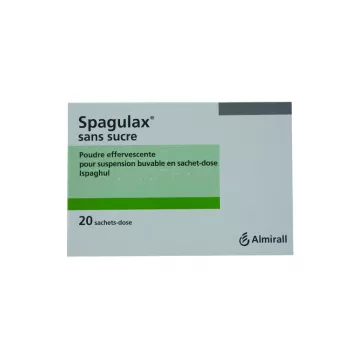
- Soluble fiber (psyllium, pectin, inulin): forms a gel in the colon — softens stools in cases of constipation AND reduces diarrhea by slowing down transit — dual regulatory effect — see our page on improving bowel transit
- Insoluble fiber (wheat bran, cellulose): speeds up bowel movements by increasing stool volume—recommended only for constipation
- Probiotics (Lactobacillus, Bifidobacterium): restore the balance of the gut microbiota — proven effective for post-antibiotic diarrhea and IBS — minimum treatment duration of 3–6 weeks
- Peppermint, fennel, ginger: antispasmodic and carminative — reduce abdominal pain and bloating associated with digestive disorders
- For persistent constipation: osmotic laxatives (macrogol) as first-line treatment — gentle, non-irritating, suitable for long-term use
IBS, stress, and pathophysiology: understanding to improve treatment
- Irritable Bowel Syndrome (IBS): Rome IV diagnosis (abdominal pain related to bowel function for > 6 months) — a functional disorder with no organic lesions — multimodal treatment (FODMAP diet, probiotics, stress management)
- Brain-gut axis: 90% of serotonin is produced in the gut — chronic stress alters motility, permeability, and the microbiota — CBT and relaxation techniques have a documented effect on functional disorders
- Intestinal motility: peristaltic waves controlled by the enteric nervous system (“second brain”) — disrupted by stress, hormonal changes, and diet
- See our page on bowel transit for comprehensive strategies for natural regulation
- Persistent bowel movement disorders despite lifestyle and dietary measures: medical evaluation (TSH, complete blood count, CRP, colonoscopy depending on age and symptoms)—do not delay if associated red flags are present