What is a laxative, and what are its 5 types?
A laxative is a medication that facilitates bowel movements—recommended for constipation that does not respond to lifestyle and dietary changes. Choosing the right type is essential for maximum effectiveness with the fewest side effects. Discover our gut and digestive health line for complementary natural solutions.
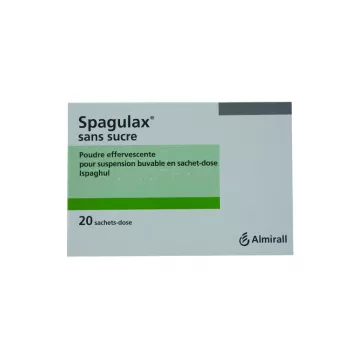
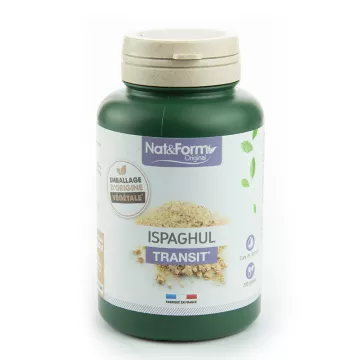
- Bulking laxatives (mucilages): psyllium, ispaghul, methylcellulose—swell upon contact with water, increase stool volume—gentle action within 12–24 hours—recommended for long-term use, safe—should be taken with plenty of water
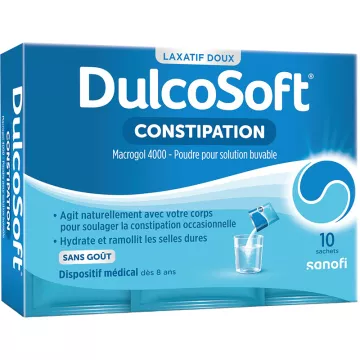
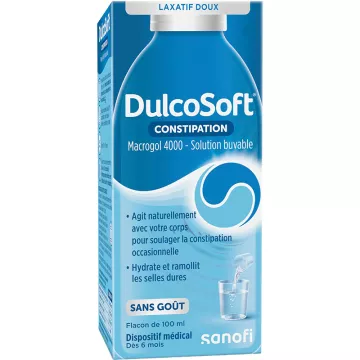
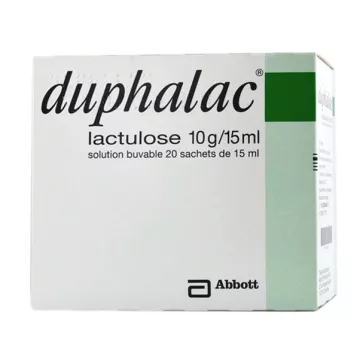
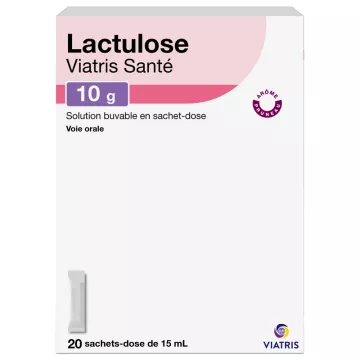
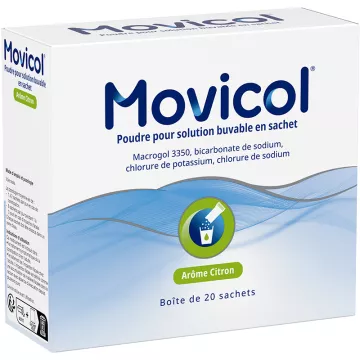
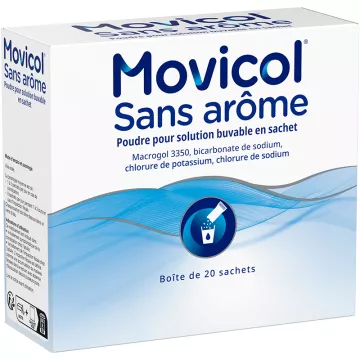
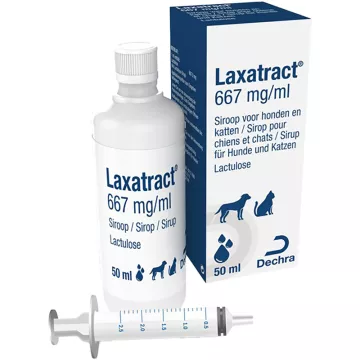
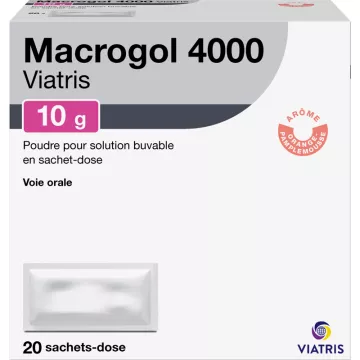
- Osmotic laxatives: macrogol (polyethylene glycol), lactulose, lactitol — retain water in the colon, soften stools — macrogol = first-line treatment, including for children and pregnant women
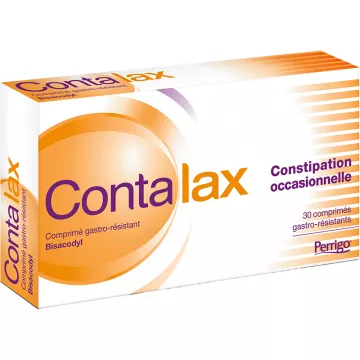
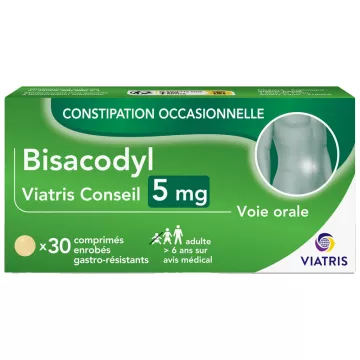
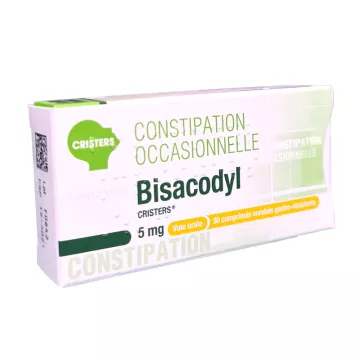
- Stimulant laxatives: bisacodyl, senna, cascara — increase colonic muscle contractions — strong effect within 6–12 hours — reserved for occasional use — may lead to dependence with prolonged use
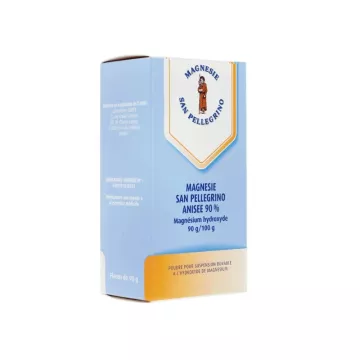
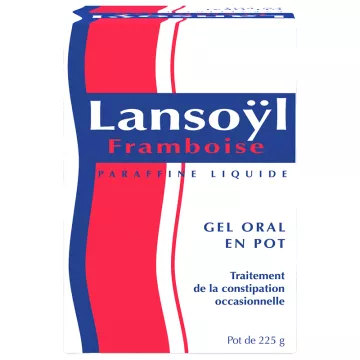
- Lubricant laxatives: paraffin oil — lubricate the stool and the mucosa — not recommended for long-term use (reduces absorption of fat-soluble vitamins A, D, E, and K)
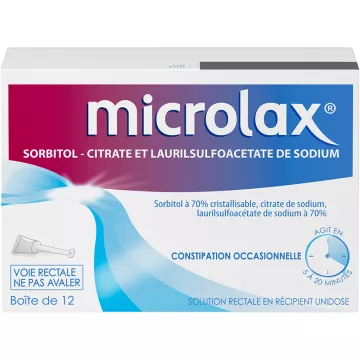
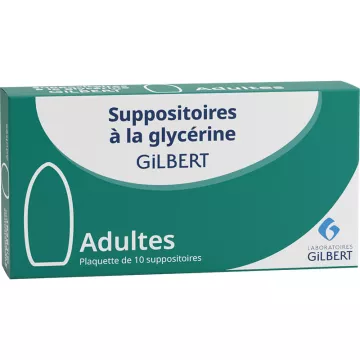
- Rectal laxatives (topical): glycerin suppositories, enemas — fast-acting (15–30 min) — ideal for distal constipation (full rectum, difficulty passing stool)
How to choose a laxative based on the situation?
- Chronic functional constipation: bulk-forming laxative (psyllium) as first-line treatment — macrogol if insufficient — never stop abruptly if taking long-term
- Occasional constipation: macrogol for a short course of treatment or bisacodyl as a single dose — see our page on occasional constipation
- Lower bowel (rectal) constipation: glycerin suppository or enema as first-line treatment — immediate local action with no systemic effects
- Children: pediatric-strength macrogol (Movicol Pediatric, Forlax)—dose adjusted for weight—never use stimulant laxatives in children without a doctor’s prescription
- Pregnancy: macrogol or bulk-forming laxatives as first-line treatment — stimulant laxatives not recommended (may stimulate the uterus) — psyllium + hydration for prevention
Risks, dependence, and side effects to be aware of
- Dependence on stimulant laxatives: prolonged use → atonic (sluggish) colon, inability to defecate spontaneously — gradual withdrawal under medical supervision if dependence has developed
- Colonic melanosis: pigmented deposits on the colon lining associated with prolonged use of anthracenosides (senna, cascara) — reversible upon discontinuation — detected by colonoscopy
- Dehydration and electrolyte imbalance: increased risk with osmotic laxatives if fluid intake is insufficient — drink at least 2 L/day during treatment
- Long-term use of paraffin oil: reduced absorption of fat-soluble vitamins (A, D, E, K)—should be avoided as a maintenance treatment
- Never use laxatives if: intestinal obstruction, suspected appendicitis, unexplained abdominal pain, unexplained rectal bleeding—seek emergency care
Natural Alternatives and Long-Term Management
- Dietary fiber: 25–30 g per day of soluble fiber (psyllium, pectin) plus insoluble fiber (bran, whole grains)—the first step before using any medicinal laxatives
- Hydration: 1.5–2 L of water per day — essential for fiber and osmotic laxatives to work effectively
- Physical activity: 30 minutes of daily walking stimulates colonic motility via nerve signals — documented effectiveness for functional constipation
- Probiotics: Bifidobacterium longum, Lactobacillus acidophilus — improve colonic motility and microbiome balance — see our probiotic line
- See our page on improving bowel regularity for comprehensive strategies—laxatives are a temporary measure, not a long-term solution