What is occasional constipation, and how can it be distinguished from chronic constipation?
Occasional constipation is characterized by sporadic, irregular episodes of slow bowel movement—fewer than 3 bowel movements per week or hard, difficult-to-pass stools—with these episodes lasting no longer than 3 consecutive weeks. Unlike chronic constipation (lasting more than 3 months), it responds well to natural ingredients and lifestyle adjustments. Our range of flat-belly supplements and our probiotic formulas naturally support regular bowel movements.
- Signs of occasional constipation: pellet-like or very hard stools—prolonged straining on the toilet—a sensation of blockage or incomplete evacuation—abdominal heaviness and persistent bloating
- Common causes of occasional constipation: dietary fluctuations (holiday meals, occasional low-fiber diets) — occasional lack of physical activity — female hormonal changes (luteal phase of the menstrual cycle; progesterone slows digestion) — lack of sleep
- Complication to watch for: repeated straining on the toilet increases rectal venous pressure → risk of developing or worsening hemorrhoids — treating occasional constipation = preventing hemorrhoids
- Occasional vs. chronic constipation: chronic (> 3 months, Rome IV criteria, often caused by: hypothyroidism, IBD, medications, motor disorders) → medical evaluation is essential
- Occasional constipation vs. habitual constipation: see our comprehensive hub for differential diagnosis and long-term solutions
Natural ingredients and supplements for occasional constipation
- Kiwi (2 kiwis/day): actinidin (proteolytic enzyme) + fiber + sorbitol → stimulates colonic motility — proven effect within 28 days — eat with the skin on to maximize fiber intake — the most extensively studied dietary active ingredient for mild constipation
- Internal aloe vera gel (pure juice in the morning on an empty stomach): anthraquinones in the gel gently stimulate colon motility + mucilage lubricates the mucous membrane — relief within 8–12 hours — use the inner gel (from the leaf) and not the latex (contraindicated: a powerful, irritating laxative)
- Marinemagnesium 300–400 mg in the evening: osmotic effect on the colon—draws water into the intestinal lumen—results in 8–12 hours—ideal for occasional episodes with no risk of dependence
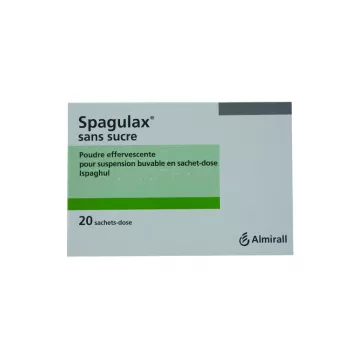
- Blond psyllium (3–5 g in 250 mL of water × 2/day): mucilaginous fibers that increase stool volume and soften stools — always take with a large glass of water (risk of blockage if taken dry) — see our range of probiotics and fiber supplements
- Probiotics (Bifidobacterium lactis, Lactobacillus acidophilus): rebalance the gut microbiota and normalize colonic motility — 4–6-week course — particularly effective after a course of antibiotics or a period of stress
Anti-constipation diet and lifestyle
- Foods to include: prunes (sorbitol + fiber, 4–6 per day), figs, soaked flaxseeds, cooked green vegetables, legumes (introduced gradually), whole grains, yogurt, and kefir (natural probiotics)
- Foods to limit during episodes: excessive dairy products (slow down bowel movements), red meat and saturated fats (low in fiber + slow digestion), refined sugars (disrupt the gut microbiome), white rice and white bread, chocolate, unripe bananas
- Hydration: 2 L/day —lukewarm water on an empty stomach in the morning (gastrocolic reflex)—fiber is only effective when there is sufficient water—avoid counting coffee (a mild diuretic)
- Regular bathroom routine at a set time (20 minutes after waking up or after the first meal): respect the morning gastrocolic reflex—never ignore the urge—place a step stool under your feet (natural squatting position, improves the anorectal angle)
- 30 minutes of exercise per day: brisk walking + yoga (seated twists, knees to chest) — 40% reduction in constipation with 30 minutes of daily walking — see our page on improving bowel movements
Senna, laxatives, and warning signs
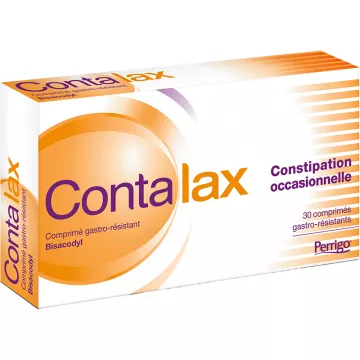
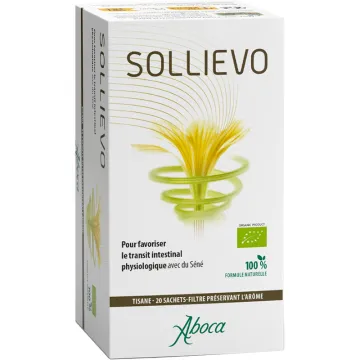
- Senna (herbal tea or capsules): plant-based stimulant laxative (anthraquinones) — takes effect in 6–12 hours — for occasional use only (max 7–10 consecutive days) — risk of dependence, colonic melanosis, and hypokalemia with chronic use — never use in children or pregnant women
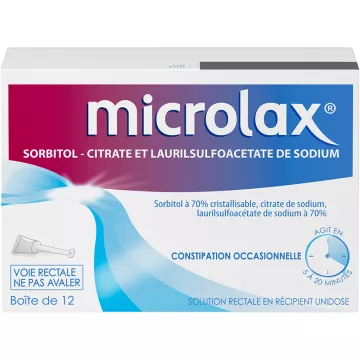
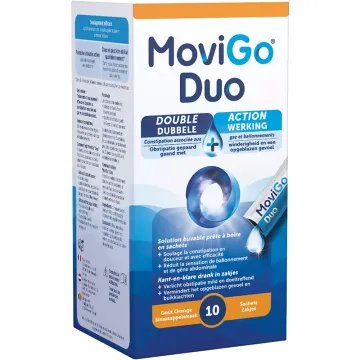
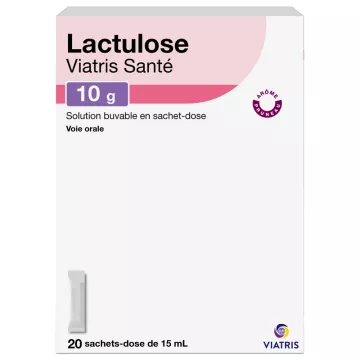
- Osmotic laxatives (macrogol 3350, lactulose): preferred when natural remedies are insufficient — draw water into the colon — non-habit-forming — available without a prescription
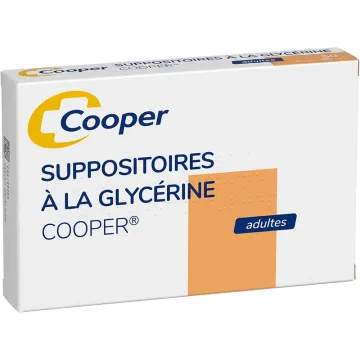
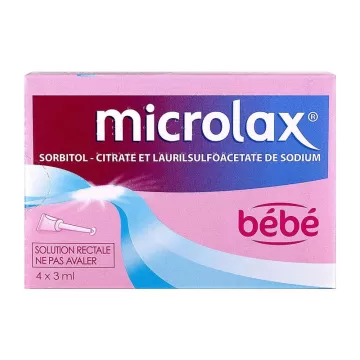
- Glycerin suppositories: rapid local rectal action (15–30 min) — no systemic effects — ideal for occasional distal constipation (rectal blockage)
- Constipation + repeated straining → hemorrhoids: treat concurrently with venotonic creams and warm sitz baths — protect the anal mucosa
- Seek medical advice if: increasingly frequent episodes tending toward chronicity — blood in the stool — severe abdominal pain — unexplained weight loss — onset after age 50 with no obvious cause