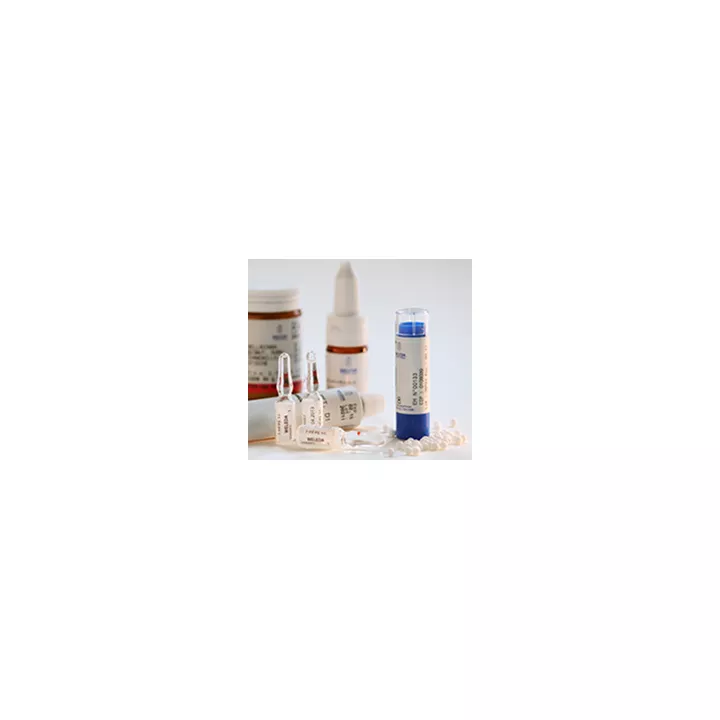
SEPIA OFFICINALIS D10 D15 D30 Granule Tube HOMEOPATHY Weleda
In homeopathy, Sepia officinalis is a versatile remedy used primarily to treat health issues in women. It is prescribed for digestive, skin, and gynecological disorders, as well as depressive states. Since each case is unique, it is recommended that you consult a healthcare professional to determine the appropriate dosage and treatment based on your specific situation.
Approved medication: EH01053
Listed in the pharmacopoeia
If there is no improvement within 24 hours, consult your homeopathic physician.
Sepia Officinalis—A Versatile Homeopathic Remedy for Women
Sepia officinalis is a homeopathic remedy frequently used to treat various ailments in women, although some men and children may also benefit from it. In this article, we will explore the main indications for Sepia officinalis as well as its use in dermatology, gynecology, and for behavioral disorders.
Sepia officinalis and Digestive Disorders
- Anorexia, aversion to food
- Feeling of heaviness or emptiness in the stomach
- Constipation with a sensation of a lump in the rectum, constipation during pregnancy
- Nausea during pregnancy
- Aversion to milk, craving for acidic foods, vinegar, pickles
- Gallbladder problems, biliary dyskinesia, with or without gallstones, accompanied by pain in the liver area
- Nausea, migraines
- Hemorrhoidal prolapse
Sepia officinalis in dermatology
- Premature skin aging
- Chloasma, melasma
- Catamenial (during menstruation), oral, or genital herpes
- Recurrent fungal infections (gynecological and others), pityriasis
- Dry rashes: herpes, psoriasis, eczema, on the back of the neck, behind the ears, around the mouth
- Hair loss
Sepia officinalis in gynecology
In young women:
- Ovarian hormonal deficiency
- Irregular, light menstrual periods
- Depressive-type premenstrual syndrome, with lower back pain, sometimes accompanied by a herpes outbreak
- Recurrent cystitis, recurrent genital yeast infections, decreased libido
In pregnant women:
- Nausea, constipation, skin problems, appearance of brown spots on the face, nose, and around the chin
- Postpartum depression, baby blues, hair loss after pregnancy
During menopause:
- Hot flashes without facial flushing, accompanied by sweating and exhaustion
- Increased fatigue in the morning, depression
- Aversion to sex
Behavioral disturbances of the Sepia officinalis type
From fatigue to an anxiety-depressive state: thiscondition may be caused by pregnancy-related fatigue, social pressure to always appear young and fit, or by multiple or closely spaced pregnancies. Symptoms include irritability, indifference, fatigue, discouragement, pessimism, and sleep disturbances.
Impact on sexuality: Inthis depressive state, sexuality is severely affected (aversion, frigidity, impotence, and fatigue that stifles all vitality)
Other symptoms associated with Sepia officinalis
Eating Disorders and Anorexia
In young women, Sepia officinalis can be used to treat anorexia and eating disorders.
Ovarian Hormone Deficiency and Hot Flashes
This homeopathic remedy is also indicated for women suffering from ovarian hormonal deficiency and hot flashes.
Digestive Disorders and Heavy, Aching Pain
Sepia officinalis is often recommended to relieve digestive disorders accompanied by a heavy, dull pain.
Skin aging and migraines
In addition, Sepia officinalis is used to treat premature skin aging and migraines.
Miscellaneous
This homeopathic remedy can also be used to treat bedwetting during the first sleep in children.
How to Use Sepia officinalis
Aggravation
Symptoms may worsen with cold, prolonged standing, odors, milk, during and after pregnancy, and when comforted.
Improvement
Symptoms may improve with vigorous exercise, movement, and firm pressure.
Dosage and Directions for Use of These Weleda Granule Tubes
Weleda homeopathic granule tubes or globules can be used for a variety of symptoms; therefore, it is not possible to specify the indications and dosage for a specific preparation.
The homeopathic physician selects the appropriate remedy, dilution, and dosage based on the patient’s health condition and characteristic symptoms.
Dosage of Sepia officinalis
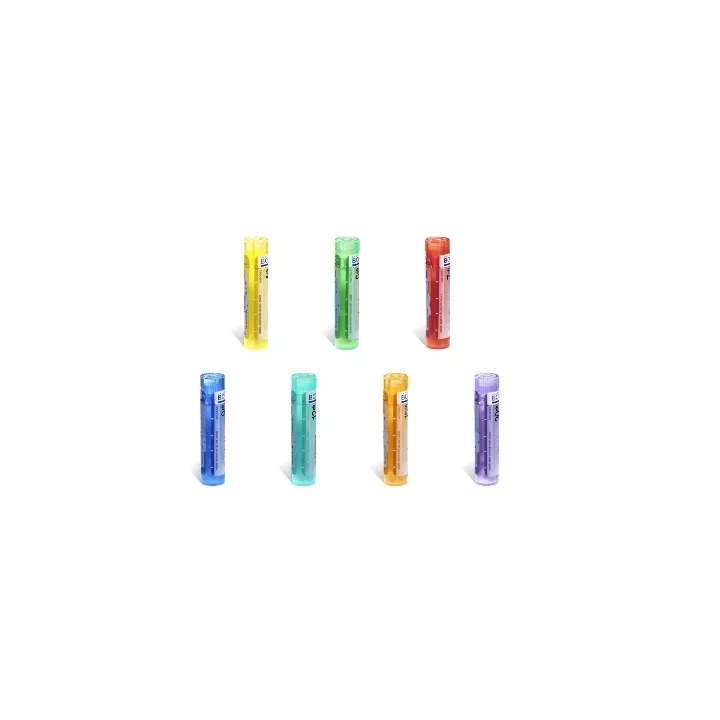
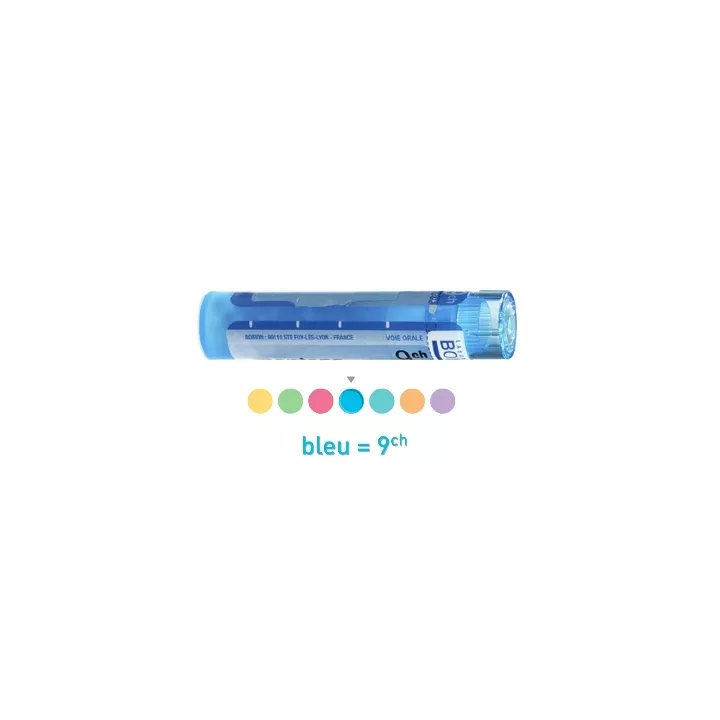
- For organic disorders: 4 or 5 CH, 3 granules 3 times a day
- For gynecological disorders: 7 to 15 CH, for example, 5 granules in the morning and evening
- Treatment for depressive syndrome must be managed by a specialist
Directions for Use and Instructions
Remove the tab, turn the Weleda tube upside down, and gently pull the cap.
Twist the tube to dispense the desired number of granules into the cap, then place the granules under the tongue.
It is recommended that you do not touch the homeopathic granules with your fingers.
Do not consume astringent substances—such as coffee, tobacco, camphor, mint, or chamomile—in the half-hour before taking homeopathic remedies.
Use a mint-free toothpaste (such as Homéodent BOIRION).
Composition of these Weleda granule tubes
SEPIA OFFICINALIS D10 D15 D30
List of excipients with known effects: lactose, sucrose
Packaging and contents
Weleda granule tube.
Weight: 4 g. Approximately 80 granules.
Precautions for Use
Warning
Contains sucrose and lactose
Due to the presence of lactose, this medication should not be used in cases of galactosemia, glucose-galactose malabsorption syndrome, or lactose deficiency.
Store homeopathic medicines away from light, heat, moisture, and any sources of fragrance.
Administering Weleda homeopathic granules to infants and children
Dissolve the homeopathic granules in 100 ml of water. Since the granules take a long time to dissolve, you should prepare the mixture in advance.
Homeopathy and Pregnancy
Homeopathic remedies have no chemical toxicity, no contraindications, no interactions with other medications, and no adverse effects related to the amount ingested. Pregnant women can use them without any known risk to themselves or their unborn child, but it is best to seek advice.
Frequency of Homeopathic Use
For acute conditions, it is recommended to take homeopathic remedies every hour until symptoms improve. Once symptoms improve, space out the doses to 3 or 4 times a day, then gradually taper off.
For chronic conditions, low-potency remedies are taken 1 to 2 times a day, while constitutional remedies are taken once a week or even once a month. This decision is up to the homeopath.
What to Do If There Is No Improvement Within 24 Hours
Certain conditions cannot be treated with homeopathy through self-medication alone. Their severity requires medical advice, which can be provided by a homeopathic physician. This physician will determine whether your condition can be treated with homeopathy alone or whether your treatment should be supplemented with allopathic medicine.