What is a loss of appetite, and when should you be concerned?
Loss of appetite (medical anorexia) refers to a sustained reduction in the desire to eat that affects nutritional intake. Signs that warrant a medical consultation:
- Unintentional weight loss of more than 5% of body weight in 1 month or 10% in 6 months—a criterion for malnutrition according to the HAS.
- Persistent loss of appetite lasting more than 2 weeks with no obvious cause.
- Associated symptoms: severe fatigue, jaundice, abdominal pain, changes in bowel habits, prolonged fever.
- Specific circumstances: use of appetite-suppressing medications (opioids, chemotherapy, certain antibiotics), known cancer, organ failure.
What conditions can cause a loss of appetite?
Loss of appetite is a nonspecific symptom that may indicate an underlying condition:
- Thyroid disorders: Hypothyroidism reduces metabolism and appetite; hyperthyroidism can, paradoxically, also reduce appetite in older adults.
- Chronic kidney disease: accumulation of uremia causing nausea and anorexia.
- Liver diseases: viral hepatitis, cirrhosis, liver cancer.
- Cancers: TNF-α and pro-inflammatory cytokines released by tumors directly induce anorexia (tumor cachexia syndrome).
- Depression: Low levels of dopamine and serotonin reduce motivation and the pleasure derived from eating.
- Chronic infections: tuberculosis, HIV—systemic inflammation via IL-6 and TNF-α suppresses appetite.
Which nutritional deficiencies reduce appetite?
Several deficiencies create a vicious cycle: deficiency → anorexia → worsening of the deficiency:
- Zinc (a cofactor for taste enzymes): a deficiency impairs the sense of smell and taste. Supplementation (10 to 25 mg/dayof zinc) restores the enjoyment of food within 4 to 8 weeks.
- Vitamin B12: A deficiency causes severe fatigue, atrophic glossitis, and a loss of appetite. It is common among vegans, the elderly, and patients taking metformin.
- Magnesium: A deficiency causes nausea and loss of appetite, which is common among those taking PPIs, diuretics, and chemotherapy.
How do gentian and bitter herbs stimulate the appetite?
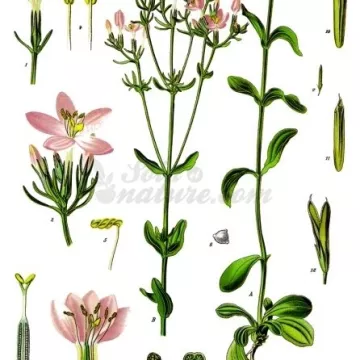
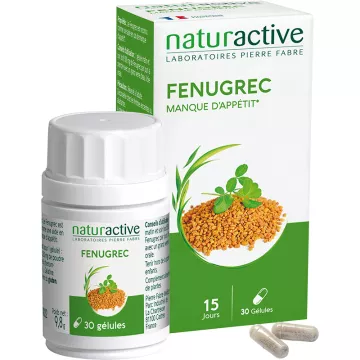
Gentian (Gentiana lutea) is the best-documented appetite-stimulating plant in European herbal medicine. Its iridoids (gentiopicroside, amarogentin—the most bitter substances known) stimulate the TAS2R receptors in the gastric mucosa and reflexively trigger the secretion of hydrochloric acid, pepsin, and bile. This preliminary secretion of digestive juices creates a “mechanical hunger” that stimulates food intake. Fenugreek and angelica also have phytotherapeutic evidence supporting their use. Gentian is contraindicated in cases of active gastroduodenal ulcers.
How can appetite be improved during convalescence or while undergoing treatment?
Managing a lack of appetite during convalescence requires a multidimensional approach:
- Eat smaller, more frequent meals (5 to 6 small meals per day): this reduces the load on the stomach and improves overall nutrient intake.
- Enrich foods with energy density: adding olive oil, butter, or eggs increases calories without increasing volume.
- Pay attention to presentation and the dining environment: behavioral studies show that eating with others increases food intake by 30 to 40%.
- Support digestion with mild herbs to aid digestion (artichoke, fennel) and improve tolerance of meals.
Do probiotics and vitamin C support appetite?
Two supplements are relevant in certain contexts of poor appetite:
- Probiotics: In cases of post-antibiotic loss of appetite or appetite loss linked to dysbiosis, they restore a GLP-1-producing microbiota and improve digestive tolerance, a key factor in regaining appetite.
- Vitamin C: Subclinical deficiency (common among smokers, the elderly, and those undergoing chemotherapy) contributes to fatigue and loss of appetite. Correcting this deficiency improves nutrient intake by reducing associated fatigue.