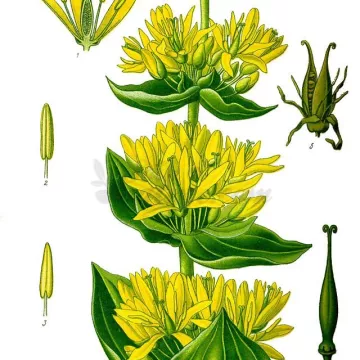

Yellow gentian (Gentiana lutea) is a mountain perennial in the Gentianaceae family, emblematic of the high-altitude meadows of the Alps, the Pyrenees, and the Auvergne region. Its thick root, harvested after 7 to 10 years of growth, contains high concentrations of the bitter compounds for which it is renowned: gentiopicroside, amarogentin (one of the most bitter substances known), and swertiamarin. Listed in the European Pharmacopoeia, it is considered one of the benchmark eupeptic bitters in herbal medicine.
Gentian possesses properties traditionally recognized by the EMA and Commission E:
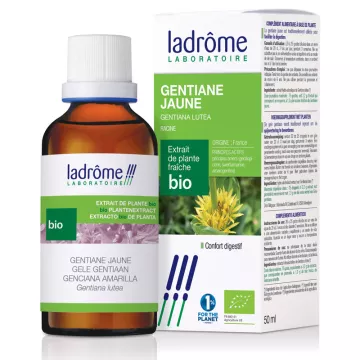
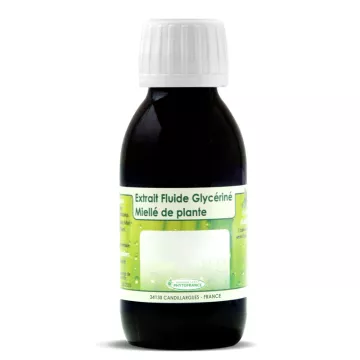
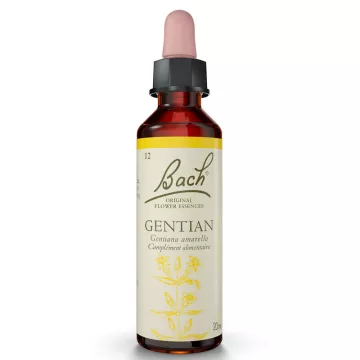
Several dosage forms are available depending on the intended use:
Gentian is found in many dietary supplements for digestion and in formulas for energy and vitality.
The secret lies in its exceptional bitterness. As soon as it touches the taste buds, it reflexively triggers the secretion of saliva, gastric juices, and bile. This stimulation of the digestive process explains its benefits for difficult digestion, functional dyspepsia, and postprandial heaviness. It also supports effortsto improve digestion, though it should not replace medical advice in cases of persistent abdominal pain.
Gentian stimulates bile flow (cholagogue effect) and thus supports the liver’s detoxification functions, particularly after overeating. It is often included in a treatment regimen alongside desmodium, milk thistle , dandelion, or black radish. Any persistent liver fatigue warrants a medical evaluation to rule out an underlying condition.
Its high content of bitter compounds and xanthones makes it a restorative herb, traditionally used to revitalize the body after a period of low energy. It is often combined with adaptogenic tonic roots such as ginseng or maca, and plays a role in phytotherapy approaches to supporting the immune system, particularly in the fall and at the end of winter.
A potent plant, gentian is not without risks:
Herbal synergies depend on the intended use: