What is maca, and what are its active ingredients?
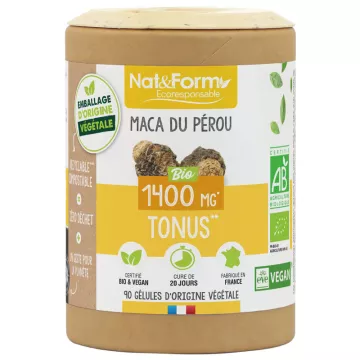
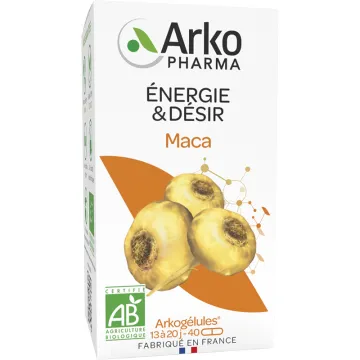
Maca (Lepidium meyenii) is a cruciferous plant native to the Andean highlands of Peru, cultivated for over 2,000 years for its energizing and tonic properties. Its tuberous root contains the active ingredients: glucosinolates, macamides, macaenes, plant sterols, polysaccharides, vitamins B and C, and minerals (iron, calcium, zinc). Classified as an adaptogenic plant, it supports the body in coping with stress and low energy levels without directly affecting hormones—its regulatory effect is indirect and well-documented. Maca-based supplements are available in the store’s “maca” and “vitality-energy-fatigue” product lines.
- Macamides and macaenes: maca-specific alkamides—responsible for its effects on libido and endurance—not found in other cruciferous plants—their concentration is the primary criterion for the quality of an extract
- Glucosinolates: sulfur-containing compounds typical of cruciferous vegetables—active precursors after hydrolysis—should be taken into account in cases of thyroid disorders (theoretical goitrogenic effect)
- Non-stimulant adaptogen: unlike caffeine, maca does not produce an abrupt stimulating effect—its action is gradual and balancing, compatible with daily daytime use—no documented dependence
What benefits does maca provide depending on individual needs?
- Vitality and energy: documented support for physical or mental fatigue —improves exercise endurance and stress resistance in athletes—noticeable effects after 2 to 4 weeks of regular use
- Libido and Intimacy: One of the best-documented uses—improves libido in both men and women without altering testosterone levels (a mechanism independent of androgens)—clinical data from a 12-week course of treatment
- Male fertility: documented effect on sperm quality (volume, motility, concentration) — supports fertility efforts in conception — black maca has been specifically studied for this purpose
- Menstrual cycle and perimenopause: supports female hormonal balance — alleviates perimenopausal discomforts (hot flashes, vaginal dryness, mood swings) — red maca has been specifically studied for this purpose
- Stress resilience and mental clarity: supports memory and cognitive function under stress — suitable for use during exam periods or periods of high work stress
Which variety of maca should you choose based on your needs?
- Yellow maca: the most common — provides a balanced effect on energy and overall vitality — suitable for most people
- Red maca: female hormonal support, perimenopause, and bone health—primarily for women
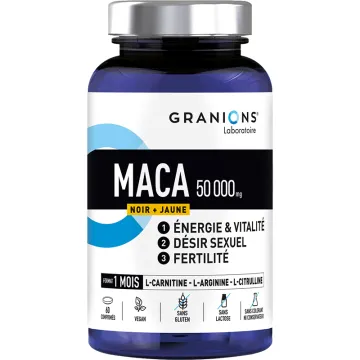
- Black maca: physical performance and male fertility—suitable for men and athletes
- Multicolor blends: a combination of all three varieties for a versatile, all-around effect
- Gelatinization: low-temperature cooking that removes starch — significantly improves digestibility and active ingredient concentration — recommended for those with digestive sensitivities or seeking maximum effectiveness
- Quality: Choose certified organic Andean maca, ideally gelatinized and fair-trade — the macamide content is the primary indicator of the extract’s quality
How to use maca and what is the recommended dosage?
- Gelatinized powder: 1 to 3 teaspoons per day mixed into smoothies, oatmeal, compotes, or juices
- Capsules or tablets: 1 to 3 g per day depending on your goals, taken in 1 to 2 doses—the most convenient form for precise dosing
- Liquid extract or mother tincture: a concentrated form for a short, targeted treatment
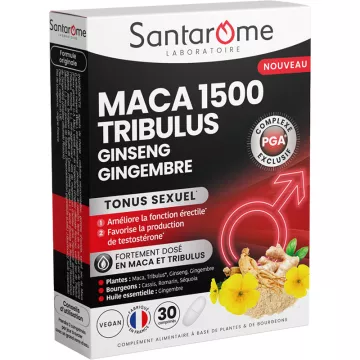
- Combinations: maca + eleuthero for vitality — maca + tribulus for men’s health (excluding intra-cluster use) — maca + astragalus for immunity and endurance
- Timing and regimen: ideally taken in the morning or early afternoon (not in the evening—to ensure a good night’s sleep)—start with small doses and increase gradually—a 4- to 8-week regimen followed by a 2-week break