What is the medicinal artichoke?
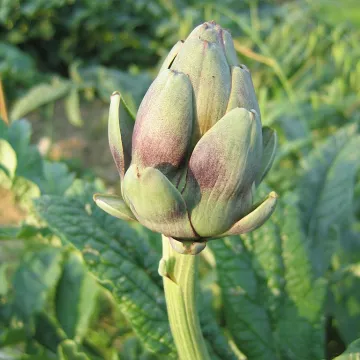
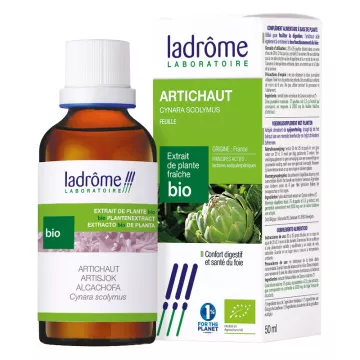
The artichoke (Cynara scolymus) is a Mediterranean plant traditionally recognized for its digestive and liver-supporting properties. It is the plant’s leaves (not the bracts consumed as a vegetable) that contain the medicinal compounds: cynarin, chlorogenic acid, flavonoids, and sesquiterpenes.
Recognized by the European Medicines Agency (EMA) for its traditional use in treating minor digestive disorders and supporting liver health, the artichoke is one of the cornerstones of Western herbal medicine. Additional resources are available for herbal medicine in general.
What are the documented benefits?
Artichoke is recognized for several properties:
- Liver support: choleretic effect (stimulation of bile production) and cholagogue effect (promotion of bile flow)
- Digestive comfort: bloating, heaviness after a rich meal, and improved fat digestion
- Metabolic drainage: promotes elimination via the liver and bile ducts
- Lipid metabolism support: several studies suggest an effect on lipid profile when used in conjunction with a healthy lifestyle
- Antioxidant action due to its high content of polyphenols and flavonoids
Seasonal spring and fall detox regimens are traditionally popular, especially after periods of festive celebrations or rich meals. Specific remedies are available to improve digestion and address digestive difficulties in general.
In what forms should it be consumed?
Artichoke can be used in several forms:
- Infusion of dried leaves: 1 tablespoon per 250 ml of simmering water, steep for 10 minutes with the lid on, 1 to 2 cups per day
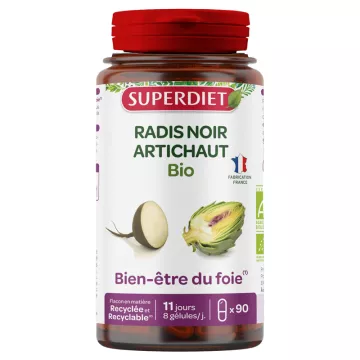
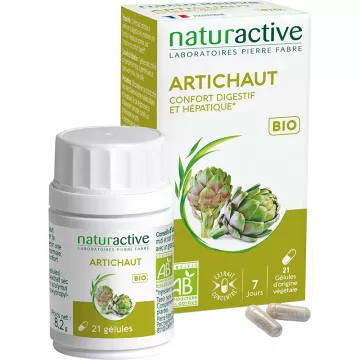
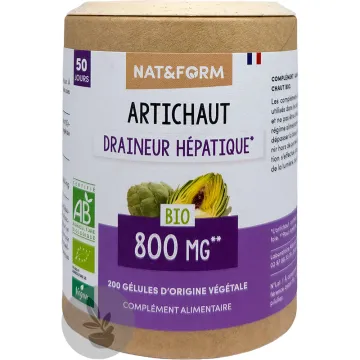
- Standardized extracts in capsules: 200 to 600 mg per day, depending on the concentration
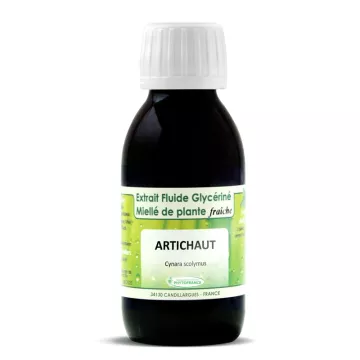
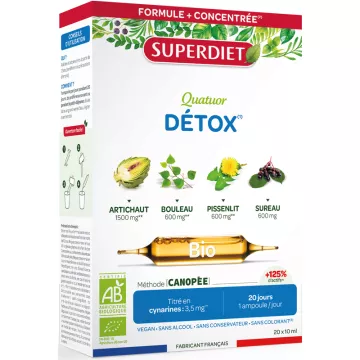
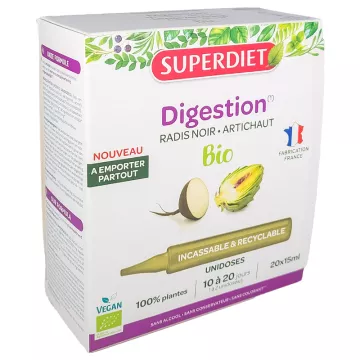
- Oral ampoules: a convenient liquid form for short-term treatment
- Standardized plant extracts (SPE): precise medical-grade concentration as advised by a pharmacist
- Fresh, steamed or boiledvegetable: nutritional benefits (fiber, antioxidants), medicinal effects more modest than those of the leaves
- Fresh leaf juice: traditional form, distinctly bitter taste
A typical treatment course lasts 3 weeks, followed by a 1-week break. Specific resources are available for nutritional supplements in general.
What contraindications should be noted?
The artichoke’s choleretic effect warrants several precautions:
- Gallstones or biliary obstruction: absolute contraindication (risk of hepatic colic)
- Allergy to Asteraceae (chamomile, daisy, dandelion, arnica)
- Pregnancy and breastfeeding: use not recommended without medical advice
- Children: Use not recommended without consultation with a pharmacist or pediatrician
- Anticoagulant or hepatotoxictreatments: seek medical advice first
- Severehypotension: use with caution (mild hypotensive effect documented)
The most common side effects are gastrointestinal (bloating and gas associated with fiber), often temporary and dose-dependent.
How can it be combined for greater effectiveness?
Artichoke is traditionally combined with other plants that support drainage or digestion:
- Black radish: classic hepatobiliary synergy
- Milk thistle: liver protection (documented silymarin)
- Dandelion: combined renal and hepatic drainage
- Rosemary: aids digestion and supports liver function
- Boldo: digestive and biliary comfort
- Fumitory: regulating amphocholeretic effect
These combinations are found in many commercially available detoxifying formulas. Artichoke supports a holistic approach: a balanced, low-fat diet, adequate hydration, regular physical activity, and quality sleep. For mint and chamomile in general, specific resources are available.
In cases of persistent digestive symptoms, liver pain, jaundice, or unusual symptoms, a medical consultation is necessary to rule out an organic condition. Your pharmacist remains a valuable resource for helping you choose an appropriate formulation and identifying potential interactions, in addition to medical follow-up.