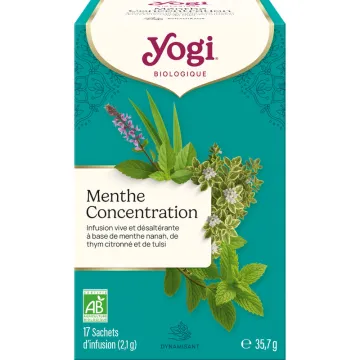
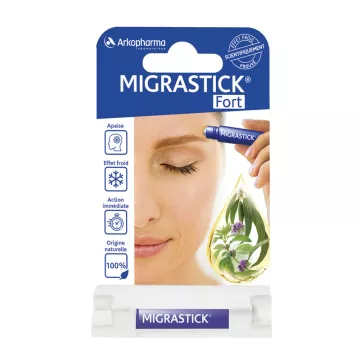
Mint (Mentha sp.) comprises about twenty species with similar properties—two of which are predominant in French phytotherapy and aromatherapy: peppermint (M. x piperita), known for its potent menthol and its uses for digestive and respiratory health, and spearmint (M. spicata), which is milder and better tolerated by children. Herbal tea, essential oil, hydrosol, capsules—the format determines the recommended use. Discover our digestive comfort line.
Peppermint vs. Spearmint: Which One Is Best for What?
Same family, very different profiles—choosing the right species makes all the difference.
- Peppermint (M. x piperita): 40–55% menthol, 15–30% menthone—powerful essential oil, aids digestion and respiratory health, analgesic—for adults and children over 6 years of age only
- Spearmint (M. spicata): carvone 50–70% (no menthol)—milder profile, aids digestion and has aromatic properties— safe for children ages 3 and up when diffused, freshens breath, and makes a mild herbal tea
- Water mint, Mentha suaveolens: less well-documented profiles, more traditional uses
- For children: spearmint or highly diluted peppermint hydrosol—never apply peppermint essential oil to the face or nostrils (risk of bronchospasm)
- For intensive use (migraines, congestion, exercise): see our peppermint page
Mint and digestive comfort?
This is the most well-established use of mint—and the oldest.
- Menthol (peppermint) and carvone (spearmint) relax the smooth muscles of the digestive tract—providing relief from spasms, bloating, and postprandial cramps
- EMA/HMPC: Recognized traditional use of peppermint leaves for mild digestive comfort (bloating, gas, cramps)—as an herbal tea
- Peppermint essential oil in enteric-coated capsules: positive clinical study on irritable bowel syndrome—available at pharmacies
- Peppermint herbal tea: 1.5–3 g of leaves in 250 mL of boiling water, steep for 5 minutes—one cup after a meal
- Avoid if you have gastroesophageal reflux: menthol relaxes the esophageal sphincter — may worsen acid reflux
Mint and fresh breath?
This is the most common everyday use of mint—and not just for its flavor.
- Menthol is a mild oral antiseptic—it reduces the oral bacterial load responsible for bad breath
- Peppermint hydrosol: diluted as a natural mouthwash, or as a refreshing oral spray
- 1 drop of peppermint essential oil in a glass of water for a cleansing mouthwash—do not swallow
- See our fresh breath line
Peppermint and respiratory comfort?
Menthol creates a cooling sensation on TRPM8 receptors—it doesn’t actually dilate the bronchial tubes but makes breathing feel easier.
- For inhalation: 2–3 drops of peppermint essential oil in a bowl of hot water — immediate sensation of a clear nose
- Diffusion: 5 drops of peppermint + 5 drops of eucalyptus radiata—a fresh, purifying respiratory blend
- Natural nasal balm: 2% peppermint in vegetable wax—apply under the nostrils (never inside the nostrils)
- Never apply peppermint essential oil directly into or under the nose of children under 6 years of age
Peppermint and concentration?
Menthol is one of the most well-documented aromatic compounds for cognitive stimulation.
- Diffusing peppermint in the workspace: improved alertness and concentration documented in several studies
- 2 drops on the wrists, direct inhalation—immediate stimulating effect without nervous agitation
- Use in the morning or during the day—stimulating; avoid late in the evening if you have trouble falling asleep
Precautions?
- Peppermint essential oil — children under 6 years old: contraindicated for direct inhalation, on the face, and in the nostrils (risk of bronchospasm)
- Infants and young children: Spearmint is tolerated starting at age 3 when diffused in a well-ventilated room
- Pregnant and breastfeeding women: Essential oil not recommended—a mild spearmint tea is generally acceptable after the first trimester
- Gastroesophageal reflux: Avoid peppermint tea and oral use of the essential oil
- Epilepsy: Seek medical advice before using peppermint essential oil (menthone may be convulsive at high doses)