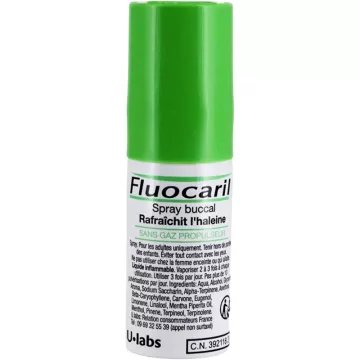
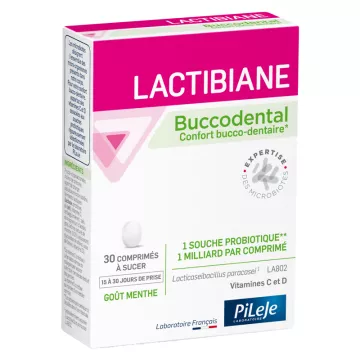
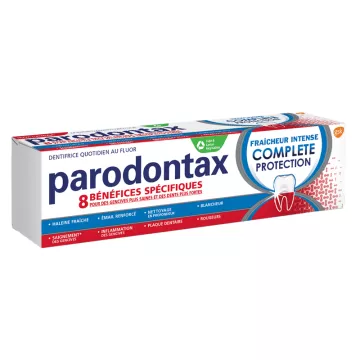
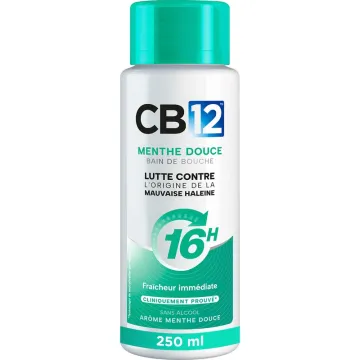
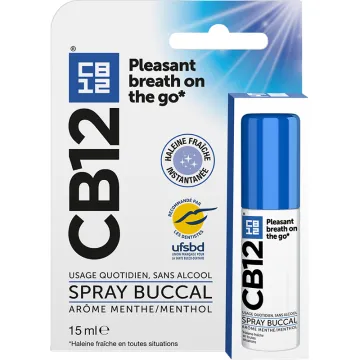
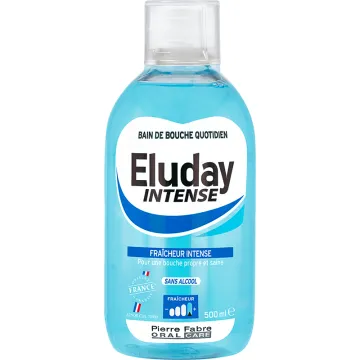
Bad breath (halitosis) originates in the mouth in 85 to 90 percent of cases—not in the stomach, as is often believed. The odor comes from volatile sulfur compounds (VSCs) produced by anaerobic bacteria that feed on proteins and dead cells in the mouth. These bacteria thrive in areas where oxygen does not circulate: the back of the tongue, gum pockets, and uncleaned interdental spaces. Saliva is their main natural enemy—it oxygenates, cleans, and inhibits their growth. Appropriateoral hygiene products and toothbrushes are available in the store.
The tongue is the most overlooked source: the back of the tongue harbors a dense bacterial biofilm that produces 50 to 70% of the volatile sulfur compounds (VSCs) responsible for bad breath. A simple tongue scraper used every morning reduces these compounds by 40 to 75% in just a few seconds. The spaces between the teeth are the second major source—inaccessible to a toothbrush, they accumulate enough plaque within 24 hours to generate significant odors.
Tongue cleaning is the most effective yet most underestimated practice. By running a tongue scraper from back to front every morning, you neutralize the main source of CSV before you even eat. Brushing your teeth alone isn’t enough—40% of the tooth surface remains inaccessible without daily use of dental floss or interdental brushes.
Chlorhexidine mouthwash (0.12%) is the most well-documented oral antiseptic for treating halitosis—it reduces bacterial plaque by 50–60% and significantly reduces volatile sulfur compounds (VSCs). Its use should be limited to 2–4 weeks to avoid staining and dysgeusia. Alcohol-based mouthwashes, on the other hand, worsen dry mouth and halitosis in the long term.
Certain foods directly affect breath through two distinct mechanisms. Strong-smelling foods like garlic or onions release sulfur compounds that enter the bloodstream and are eliminated through the lungs—breath remains affected even after brushing, until these compounds are completely eliminated. Sugary foods, on the other hand, directly feed the oral bacteria that produce VSCs.
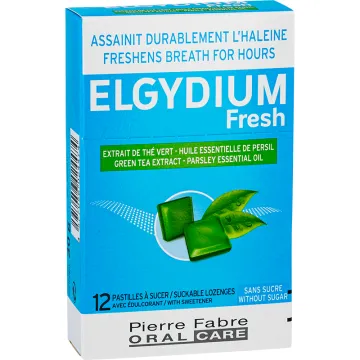
Conversely, protective foods include water-rich fruits and vegetables (apples, carrots, cucumbers), which mechanically stimulate saliva production and “scrub” the surfaces of the mouth. Green tea contains catechins with documented antibacterial properties that reduce the bacterial load in the mouth. Reducing the frequency of sugary snacks between meals is one of the most effective ways to maintain fresh breath throughout the day.
Persistent bad breath despite rigorous oral hygiene—brushing twice a day, using a tongue scraper, and flossing daily—warrants a checkup with a dentist to rule out periodontitis, deep cavities, or an infectious focus. If the dental exam is normal, a medical consultation is necessary to rule out acid reflux, chronic sinusitis, diabetes, or kidney failure.